Picture this: you’re walking through a bustling fruit market on a hot summer day, and you spot bunches of grapes hanging like jewels from wooden crates. Some are deep purple, others bright green, and they all look incredibly juicy. But here’s a question you might not have thought about before: where do the best grapes in Pakistan actually come from? And what makes certain grapes better than others?
Pakistan might not be the first country that comes to mind when you think of grapes, but it’s actually home to some of the most delicious varieties you’ll ever taste. From the sunny plains to the cooler northern areas, different regions produce grapes with unique flavors and characteristics. Understanding what makes these grapes special can help you appreciate the fruit bowl on your kitchen table even more.
In this article, we’ll explore the best grape varieties grown in Pakistan, discover the regions that produce the sweetest and juiciest grapes, and learn what makes Pakistani grapes stand out from the rest. Trust me, by the end of this, you’ll never look at grapes the same way again!
Why Pakistan’s Climate Is Perfect for Growing Grapes
Before we dive into specific grape varieties, let’s talk about why Pakistan is such a great place for growing grapes in the first place. Think of grape vines like Goldilocks from the fairy tale. They don’t like it too hot or too cold, they need it just right. Pakistan’s climate, especially in certain regions, provides exactly what grape vines need to thrive.
Grapes love warm, sunny days and cool nights. This temperature difference is like a secret ingredient that makes the grapes sweeter and more flavorful. Many areas in Pakistan, particularly in Punjab and Balochistan, have this perfect combination. The long, hot summers give the grapes plenty of time to ripen and develop their natural sugars, while cooler evenings help them maintain their crisp texture.
Water is another crucial factor. Grape vines need regular watering, but not too much. Too much water makes the grapes taste bland and watery, kind of like adding too much milk to your cereal. Pakistani farmers have mastered the art of irrigation, making sure their grape vines get exactly the right amount of water at the right time.
The Superstar Grape Varieties of Pakistan
Now, let’s get to the exciting part: the grapes themselves! Pakistan grows several varieties, but some have become local favorites because of their incredible taste and quality.
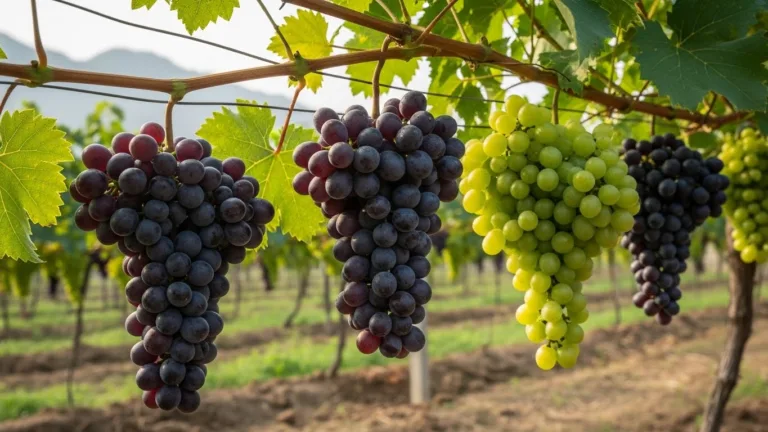
Sundar Khani grapes are often considered the crown jewel of Pakistani grapes. These beauties are known for their deep purple color and incredibly sweet taste. They’re seedless, which makes them perfect for snacking, and they have a firm texture that makes that satisfying “pop” when you bite into them. If grapes had a popularity contest, Sundar Khani would definitely be in the top three!
Perlette grapes are another fan favorite, especially for people who prefer green grapes. These are light green, almost translucent, and super crisp. They’re like nature’s candy, sweet but with a refreshing quality that makes them perfect for hot summer days. You’ll often find these grapes in markets from May to July.
King’s Ruby grapes live up to their royal name with their large size and beautiful red color. These grapes are juicy, sweet, and slightly tangy, creating a flavor combination that keeps you reaching for more. They’re excellent for eating fresh or even making juice.
Where Do the Best Grapes Come From?
Geography matters a lot when it comes to grape quality. Different regions in Pakistan specialize in different varieties, and knowing where your grapes come from can tell you a lot about what they’ll taste like.
Multan, often called the “City of Saints,” is also famous for being one of Pakistan’s prime grape-growing regions. The area around Multan has rich soil and the perfect climate for producing high-quality grapes. Farmers in this region have been growing grapes for generations, passing down their knowledge and techniques from parent to child. The grapes from Multan are known for their sweetness and excellent shelf life, meaning they stay fresh longer than grapes from many other regions.
Quetta and the surrounding areas in Balochistan produce some of the most flavorful grapes in the country. The higher altitude and cooler temperatures in this region create grapes with a more complex flavor profile. It’s like the difference between regular chocolate and fancy dark chocolate, there’s just more depth to the taste.
The Swat Valley in Khyber Pakhtunkhwa is another important grape-growing area. The valley’s unique microclimate, with its cool mountain air and abundant sunshine, produces grapes that are incredibly aromatic and sweet. People often say that Swat grapes have a special fragrance that you can smell even before you taste them.
What Makes a Grape “The Best”?
You might be wondering, how do experts actually decide which grapes are the best? It’s not just about personal preference, there are specific qualities that make certain grapes stand out from the crowd.
First, there’s sweetness. The best grapes have a perfect balance of natural sugars. They should be sweet, but not so sweet that they taste artificial or overwhelming. It’s all about that natural, fresh sweetness that makes you want another handful.
Texture is equally important. Nobody wants mushy grapes! The best grapes are firm and crisp, with skin that’s not too thick or too thin. When you bite into a great grape, it should feel fresh and juicy, not soft or rubbery.
Size and appearance matter too. While bigger isn’t always better, the best grapes are usually plump and full, with smooth skin and vibrant color. They should look appetizing, like little gems hanging from the vine.
Finally, there’s flavor complexity. The very best grapes don’t just taste sweet, they have layers of flavor that might include hints of flowers, honey, or even slight tartness. It’s like the difference between a simple melody and a full orchestra.
How Multanfarms.com Brings Quality Grapes to Your Table
Getting fresh, high-quality grapes from the farm to your home isn’t as simple as it might seem. There’s a whole process involved in making sure the grapes you eat are as fresh and delicious as possible.
At Multanfarms.com, the focus is on connecting people directly with quality produce from the Multan region. This means shorter distances between harvest and delivery, which translates to fresher grapes on your table. Think of it like this: the less time grapes spend traveling, the more of their natural freshness and flavor they retain.
The farms work with local growers who understand the land and know exactly when to harvest each variety for peak flavor. Timing is everything with grapes. Harvest them too early, and they’re sour and hard. Wait too long, and they become too soft and start losing their flavor. Expert farmers know how to pick them at exactly the right moment.
Quality control is another crucial factor. Before grapes reach customers, they’re carefully inspected to ensure they meet high standards for size, color, sweetness, and freshness. This attention to detail means you’re getting the cream of the crop, not just whatever happens to be available.
The Best Time to Enjoy Pakistani Grapes
Here’s something interesting that most people don’t know: grapes have seasons! Different varieties ripen at different times of the year, which means there’s actually a “grape calendar” that determines when certain varieties taste their absolute best.
In Pakistan, the grape season typically runs from May through September, with peak season happening in June and July. During these months, you’ll find the largest variety of grapes available, and they’ll be at their sweetest and most flavorful. It’s like how strawberries taste amazing in spring but not so great in winter, grapes have their moment to shine too.
Early season grapes, which appear in May, tend to be lighter in color and have a more delicate, refreshing flavor. As summer progresses, the grapes become sweeter and more intensely flavored. By late season, around August and September, you’ll find grapes that are incredibly sweet and rich, almost like natural candy.
The Journey from Vine to Table
Have you ever thought about the journey your food takes before it reaches you? With grapes, that journey is pretty fascinating! Understanding this process can help you appreciate these little fruits even more.
It all starts with careful cultivation. Grape vines need to be pruned, watered, and protected from pests throughout the year. Farmers monitor their vineyards constantly, checking for signs of disease or stress in the plants. It’s a year-round job that requires dedication and expertise.
When harvest time arrives, experienced workers carefully cut the grape bunches from the vines. This has to be done gently to avoid bruising the delicate fruit. Many farms still harvest by hand because it’s the best way to ensure quality, even though it takes more time and effort.
After harvest, the grapes are quickly cooled to preserve their freshness. This is super important because grapes start to lose their quality as soon as they’re picked. Quick cooling is like pressing a “pause button” on the aging process, keeping the grapes fresh and crisp for longer.
Finally, the grapes are sorted, packaged, and prepared for delivery. Throughout this entire process, the goal is to minimize the time between harvest and consumption, ensuring that when you bite into a grape, it tastes almost as fresh as if you’d picked it yourself from the vine.
Why Pakistani Grapes Deserve More Recognition
Pakistan’s agricultural sector produces amazing fruits that often don’t get the international recognition they deserve. Pakistani grapes can compete with varieties from anywhere in the world in terms of flavor, quality, and nutritional value.
The combination of ideal growing conditions, generations of farming expertise, and dedication to quality creates grapes that are truly special. Whether it’s the sweet Sundar Khani from Multan, the crisp Perlette varieties, or the flavorful grapes from mountain valleys, Pakistan offers something for every grape lover.
Supporting local grape growers isn’t just about getting delicious fruit, it’s also about sustaining farming communities and preserving agricultural traditions that have been passed down for generations. When you choose Pakistani grapes, especially from trusted sources that work directly with farmers, you’re participating in a food system that values quality over quantity.
Your Next Grape Adventure Awaits
So, what have we learned about the best grapes in Pakistan? These sweet, juicy fruits are the result of perfect climate conditions, expert farming techniques, and careful handling from vine to table. Whether you prefer the deep purple Sundar Khani, the crisp green Perlette, or the royal King’s Ruby, Pakistani grapes offer incredible variety and quality.
The next time you’re shopping for grapes, think about where they came from and what makes them special. Look for grapes from reputable sources that prioritize freshness and quality. And if you get the chance, try different varieties to discover your personal favorite.
Now here’s a question to think about: knowing what you now know about Pakistani grapes, what variety would you most like to try first? Whether you’re already a grape enthusiast or you’re just discovering how amazing these fruits can be, there’s always something new to explore in the world of Pakistani agriculture. Happy grape tasting!