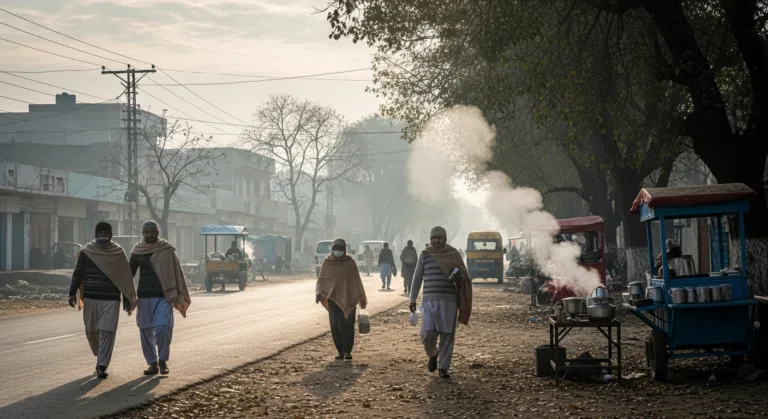
Picture this: you wake up one morning, and suddenly the air feels different. It’s got that crisp, cool quality that makes you want to grab a hoodie before heading out. Your mom’s already planning to make haleem for dinner, and your dad’s talking about bringing out the room heater from storage. Yep, winter’s knocking on the door! But when does it actually arrive in Pakistan, and why does it feel like it comes earlier in some cities than others?
If you live in Pakistan, you know that winter is one of the most exciting times of the year. It’s when you can finally wear those cool jackets you’ve been eyeing, when the street vendors start selling roasted peanuts and sweet potatoes, and when school picnics get planned. But winter in Pakistan isn’t as simple as looking at a calendar date. Depending on where you live, winter can feel totally different from your cousin’s experience in another city!
In this article, we’ll explore exactly when winter starts in Pakistan, why it varies across different regions, and what makes this season so special for farmers and families alike. By the end, you’ll be a winter expert, ready to explain to your friends why Karachi’s “winter” feels nothing like Murree’s!
The Calendar Says… But Nature Has Other Plans
Officially, winter in Pakistan begins around mid-November and lasts until the end of February. That’s what the Pakistan Meteorological Department tells us, anyway. They usually mark November 15th as the start of winter. But here’s the interesting part, nature doesn’t always follow the calendar!
Think of winter’s arrival like the school bell at the end of class. Sometimes it rings right on time, but sometimes there’s a delay, and everyone’s left wondering when they can finally pack up and leave. In northern Pakistan, you might start feeling winter’s chill as early as late October. In southern regions like Karachi, winter might not show up until December, and even then, it’s pretty mild.
This happens because Pakistan is a huge country with mountains, plains, deserts, and coastlines. Each of these geographical features affects how and when winter arrives. It’s kind of like how different rooms in your house can have different temperatures, except on a much, much bigger scale!
Why Does Winter Even Happen?
Before we dive into Pakistan’s specific winter timeline, let’s talk about why we have winter at all. No, it’s not because Earth moves farther from the sun (that’s actually a common myth!). The real reason is much cooler, literally.
Earth is tilted on its axis, sort of like a spinning basketball balanced on someone’s finger but leaning to one side. As Earth orbits around the sun throughout the year, different parts of our planet tilt toward or away from the sun. From November through February, the Northern Hemisphere (where Pakistan is located) tilts away from the sun. This means sunlight hits us at an angle instead of straight on.
Imagine holding a flashlight directly over a book versus shining it from the side. When it’s angled, the light spreads out and becomes weaker, right? That’s exactly what happens with sunlight during winter! The sun’s rays hit Pakistan at an angle, giving us less warmth and shorter days. That’s why winter days feel colder and the sun sets earlier.
Winter’s Journey Across Pakistan: A Regional Tour
Pakistan’s winter story is really three different stories depending on where you are. Let’s take a tour!
Northern Pakistan: Winter’s First Stop
If you live in places like Gilgit, Chitral, Murree, or Swat, you get front-row seats to winter’s grand entrance. These mountainous areas often see their first snowfall in late October or early November. By mid-November, winter is in full swing with temperatures dropping below freezing.
Kids in these regions experience a completely different winter than the rest of Pakistan. School might close for snow days (lucky them!), and families prepare by stocking up on firewood, warm clothes, and groceries because heavy snowfall can make roads impassable. Some areas even get cut off from the rest of the country for weeks!
Central Pakistan: The Goldilocks Zone
Cities like Lahore, Islamabad, Rawalpindi, Faisalabad, and Multan experience what you might call “just right” winter. It’s not as extreme as the north but definitely more noticeable than the south. Winter typically arrives in late November or early December here.
This is where you’ll see those famous dense morning fogs that make driving interesting (and sometimes dangerous). Temperatures usually hover between 5°C and 20°C. That might not sound super cold, but when you’re used to summer temperatures of 40°C or higher, it feels pretty chilly! This is prime sweater weather, perfect for outdoor activities without freezing or sweating.
Southern Pakistan: Winter Lite
Down south in Karachi, Hyderabad, and coastal Balochistan, winter is much gentler. It rarely gets uncomfortably cold. December through February here feels more like a pleasant cool season, with temperatures usually staying above 10°C even at night.
People in these areas often joke that they don’t really have winter, just “less summer.” You might wear a light jacket in the evening, but you’ll probably still see people in short sleeves during the day. It’s actually perfect weather for beach trips and outdoor activities!
What Brings the Cold? Meet the Western Disturbance
Here’s a cool fact: a lot of Pakistan’s winter weather is actually influenced by weather systems that start thousands of kilometers away in the Mediterranean Sea! These are called Western Disturbances, and they’re basically storms that travel all the way from Europe and the Mediterranean to Pakistan.
When these weather systems arrive, usually between November and March, they bring cold winds and sometimes rain or snow. Think of them as winter’s delivery trucks, carrying cold air from far away and dropping it off in Pakistan. When you hear about unexpected cold spells or winter rain, there’s usually a Western Disturbance behind it.
These disturbances are super important for farmers too (we’ll get to that in a minute) because they bring moisture that helps winter crops grow strong and healthy.
Winter Clues: How to Know It’s Coming
Before winter officially arrives, nature gives us plenty of hints. It’s like when you can smell dinner cooking before it’s actually on the table. Here are some signs that winter is approaching:
The morning dew gets heavier. You might notice grass and car windows covered in tiny water droplets when you wake up. Migratory birds start showing up. Thousands of birds fly to Pakistan from colder countries like Siberia because our winter is actually warmer than their summer! Lakes and wetlands suddenly fill with ducks, cranes, and other beautiful birds. Sunset comes earlier. You’ll notice it’s getting dark before dinner time, unlike summer when the sun stays up until 7 or 8 PM.
The air becomes clearer and less hazy (except for morning fog). Winter air has less moisture and dust, which is why the sky often looks bluer and stars appear brighter at night. If you’re into photography or stargazing, winter is your season!
Why Multan’s Farmers Care About Winter’s Arrival
If you’re checking out Multanfarms.com, you’re probably curious about farming! Winter is absolutely crucial for agriculture in Pakistan, especially in fertile regions like Multan. Here’s why farmers are always watching the calendar and weather forecasts as winter approaches.
Around October and November, farmers plant what are called rabi crops. “Rabi” is an Urdu word that basically means “spring” because these crops are planted in winter and harvested in spring. The most important rabi crop is wheat, which is Pakistan’s staple food. Without a good winter, we wouldn’t have chapatis, naan, or bread!
Other winter crops include barley, chickpeas, lentils, mustard, and tons of vegetables like carrots, peas, radishes, cauliflower, and spinach. These plants actually prefer cooler weather. They’d struggle in summer’s intense heat but thrive when temperatures are moderate.
Here’s something really interesting: Multan is famous for its amazing oranges and other citrus fruits, right? Well, these fruits ripen during winter, and the cold nights actually make them sweeter! The cool weather helps the fruit develop more natural sugars. So when you bite into a juicy Multan orange in December, you’re literally tasting winter’s effect on farming!
Farmers carefully monitor winter’s arrival because they need to time their planting perfectly. Plant too early, and the seeds might dry out in lingering warm weather. Plant too late, and the crops won’t have enough time to grow before summer returns. It’s all about timing!
This Year’s Winter: What to Expect
While nobody can predict the weather with perfect accuracy (it’s not an exact science, despite all the technology we have), meteorologists can make educated guesses based on patterns from previous years. For winter 2025-2026, most forecasts suggest we’ll see a fairly typical winter season.
Northern areas should prepare for snow starting in late November or early December. The plains and central regions will likely experience their usual foggy mornings and cool temperatures by mid-December. Southern regions can expect pleasant, breezy weather perfect for outdoor activities.
One thing scientists have noticed, though, is that winters in Pakistan have been getting slightly warmer over the past few decades because of climate change. This doesn’t mean winter is disappearing, but it might mean fewer extremely cold days than your grandparents remember from their childhood. Some areas that used to get regular snowfall might see less of it, while winter rain patterns might shift too.
Getting Winter-Ready: Tips and Tricks
Now that you know when winter’s coming, here’s how to prepare for it! First, check your winter wardrobe in early November. Make sure your jackets, sweaters, and warm clothes still fit (because let’s be real, you’ve probably grown since last winter). If you live in northern areas, make sure you have proper boots and warm accessories like gloves and scarves.
For those in central Pakistan, stock up on moisturizer and lip balm because winter air can be really drying. Keep an eye on fog alerts if you travel early in the morning, it can get pretty thick! And if you’re a student, winter often means mid-year exams followed by winter break, so plan your study schedule accordingly.
Don’t forget to enjoy winter’s special treats! This is the season for hot drinks like chai and coffee, delicious soups, gajar ka halwa (carrot dessert), gur (jaggery), peanuts, and sweet potatoes roasted on street corners. Winter food just hits different!
Wrapping Up: Winter’s Worth the Wait
So, when does winter start in Pakistan? The short answer is mid-November officially, but the real answer depends on where you live and what you consider “winter.” Whether it arrives early with snow in the mountains or shows up fashionably late with mild breezes in Karachi, winter is a special season that brings families together, helps crops grow, and gives us a break from Pakistan’s intense summer heat.
Understanding when winter arrives helps you prepare better, plan activities, and appreciate the seasonal changes happening around you. It connects you to the natural rhythms of Earth and helps you understand why farmers plant certain crops at certain times. Pretty cool how it all connects, right?
Now that you’re a winter expert, how will you make the most of the upcoming season? Will you be the first to spot migratory birds, help your family prepare winter crops, or simply enjoy the perfect weather for outdoor fun? Whatever you choose, winter’s on its way, so get ready!