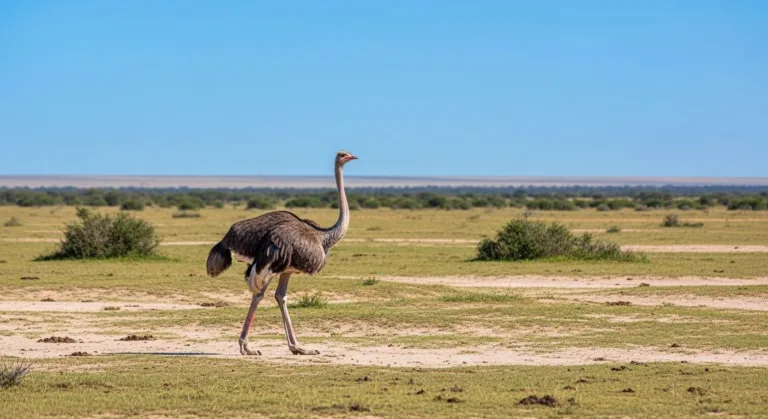
Picture this: you’re standing in your backyard, and suddenly, a bird as tall as a basketball hoop comes strutting toward you. That’s an ostrich, and believe it or not, some people actually keep these giant birds as pets or on farms! But here’s the million-dollar question: how much space does one of these enormous birds actually need?
If you’re thinking about raising ostriches, or you’re just curious about these fascinating creatures, understanding their space requirements is super important. After all, you wouldn’t want to live in a closet, right? Well, ostriches feel the same way about cramped spaces. At Multanfarms.com, we know that giving these birds the room they need isn’t just about being nice, it’s essential for their health and happiness.
In this article, we’ll explore exactly how much space ostriches require, why they need so much room to roam, and what happens when they don’t get enough space. Trust me, by the end, you’ll understand why these birds are the ultimate free-range creatures!
Why Ostriches Are Built for Wide-Open Spaces
Let’s start with the basics. Ostriches are the largest birds on Earth, standing up to 9 feet tall and weighing between 220 and 350 pounds. That’s about the same weight as a baby grand piano! These birds originally come from the wide-open savannas of Africa, where they can run up to 45 miles per hour. Imagine trying to sprint that fast in your living room. Not happening, right?
Their long, powerful legs aren’t just for show. Ostriches are designed to cover massive distances every single day. In the wild, they might travel 15 to 25 miles just looking for food, water, and a safe place to hang out. This natural instinct doesn’t just disappear when they’re on a farm. Even domesticated ostriches have that deep-down need to move around and explore.
The Magic Number: How Much Space Per Bird?
Here’s what you’ve been waiting for: the actual space requirements. According to farming experts and veterinarians who specialize in these big birds, each adult ostrich needs at least one acre of land. Yep, you read that right, one whole acre! To put that in perspective, an acre is roughly the size of a football field without the end zones.
But wait, there’s more to the story. While one acre is the minimum, giving your ostriches more space is always better. Many successful ostrich farmers at operations like Multanfarms.com recommend providing 1.5 to 2 acres per bird if you really want them to thrive. Think of it like this: you could survive in a tiny bedroom, but wouldn’t you be happier with a whole house to explore?
If you’re planning to raise multiple ostriches (which is actually recommended since they’re social birds), you’ll need to multiply accordingly. Three ostriches would need at least three acres, though five or six acres would make them much happier. The more room they have, the more natural behaviors they can express, like running, foraging, and socializing with their flock mates.
What Happens When Ostriches Don’t Get Enough Space?
You might be wondering, “What’s the big deal if they have a little less room?” Well, cramped ostriches can develop some serious problems. First up is stress. When these birds feel cooped up (pun intended), their stress levels skyrocket. Stressed ostriches are more likely to get sick, fight with each other, and develop weird behaviors like pacing back and forth constantly.
Physical health takes a hit too. Ostriches need to run and exercise those powerful legs to stay healthy. Without enough space to move around, they can become overweight, develop leg problems, or have weak bones. It’s kind of like if you sat on the couch all day every day. Eventually, your muscles would get weak and you’d feel pretty lousy.
There’s also the aggression factor. Ostriches can be territorial, and when they’re squeezed into too small an area, they might start pecking and kicking each other. And trust me, you don’t want to be on the receiving end of an ostrich kick! Their legs are so powerful they can seriously injure or even kill a lion. In cramped conditions, this natural defense mechanism can turn inward on their flock mates.
Setting Up the Perfect Ostrich Paradise
So you’ve got the land, now what? Creating an ideal ostrich habitat involves more than just fencing off a big area. The fencing itself needs to be at least 6 feet tall because ostriches can jump pretty high when they want to. Some farmers use even taller fences, around 8 feet, just to be safe.
The ground surface matters too. Ostriches do best on natural terrain with grass, dirt, and maybe some sand. They love to dust bathe (rolling around in dirt to clean their feathers), so having varied ground types keeps them entertained and healthy. Imagine having a playground with only one type of equipment versus one with swings, slides, and climbing structures. Variety makes everything more interesting!
Water sources and shade are non-negotiable. Even though ostriches come from hot climates, they still need protection from extreme heat and constant access to fresh water. Trees or constructed shelters scattered throughout their space give them options to cool down when the sun gets intense.
Special Considerations for Baby Ostriches
Baby ostriches, called chicks, have different space needs than adults. For the first few months of life, they can be kept in smaller, protected areas called brooders. These spaces keep them safe from predators and weather while they’re still vulnerable. A typical brooder might be around 100 to 200 square feet for a group of chicks.
However, as they grow (and they grow fast!), they need gradually increasing space. By six months old, young ostriches should be transitioning to larger paddocks. By their first birthday, they need almost as much space as full-grown adults. Think of it like how you needed a crib as a baby but eventually needed your own bedroom.
Making the Most of Your Ostrich Space
Here’s a cool tip: you can rotate your ostriches between different paddocks if you have the land. This practice, called rotational grazing, gives the grass time to recover and reduces parasite buildup in the soil. It’s like how your gym teacher wouldn’t let everyone play on the same spot of the field every single day because it would turn into a mud pit.
You can also enrich their environment with different features. Some farmers add things like logs, rocks, or even large balls for the ostriches to investigate. These birds are curious and intelligent, so giving them stuff to explore and interact with makes their big space even better. It’s the difference between having an empty room and having a room with books, games, and interesting things to do.
The Bottom Line on Ostrich Space
So, how much space does an ostrich need? At minimum, one acre per bird, but more is definitely better. These magnificent creatures are built to roam, run, and explore wide-open spaces. Skimping on their living area isn’t just unfair, it can lead to serious health and behavioral problems.
Whether you’re considering raising ostriches on a farm like Multanfarms.com or you’re just fascinated by these incredible birds, understanding their space needs helps you appreciate just how special they are. These aren’t chickens that can happily peck around a small coop. They’re powerful, intelligent animals that need room to be themselves.
Now here’s something to think about: if you had the choice between exploring a huge, interesting space or being stuck in one small area, which would you choose? Ostriches feel exactly the same way. Giving them the space they need isn’t just about following rules, it’s about respecting these amazing birds and letting them live their best ostrich lives. Pretty cool, right?