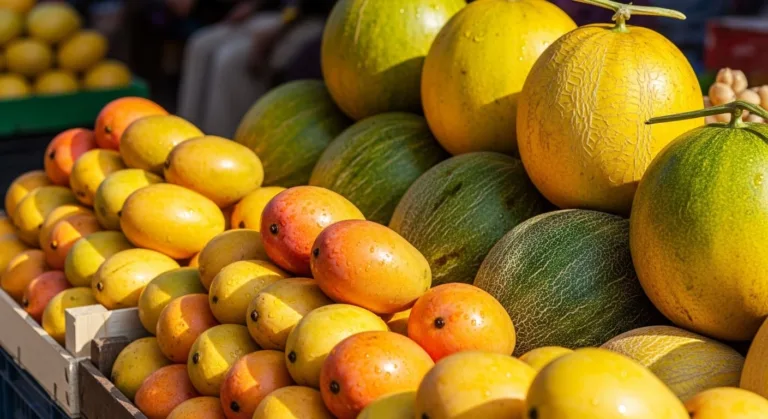
Imagine biting into a perfectly ripe mango, so sweet and juicy that the golden nectar drips down your chin. Now picture walking through a bustling fruit market where vendors are calling out about fresh strawberries, crisp apples, and ruby-red pomegranates. Sound amazing? Well, if you live in Pakistan or are curious about this South Asian country, you’re in for a treat because Pakistan is basically a fruit lover’s paradise!
Pakistan’s climate is like a gift that keeps on giving when it comes to fruits. With hot summers, mild winters, and everything in between, different fruits ripen at different times throughout the year. This means there’s almost always something delicious and fresh to enjoy. From the famous Sindhri mangoes of summer to the crisp apples of autumn, Pakistan’s fruit seasons create a year-round festival of flavors.
Whether you’re shopping at local markets or learning about agriculture from sites like Multanfarms.com, understanding when fruits are in season helps you know when they’ll taste the best and cost the least. Plus, seasonal fruits are fresher, more nutritious, and way better for the environment than fruits shipped from thousands of miles away. Ready to take a delicious journey through Pakistan’s fruit calendar? Let’s explore what each season brings to the table!
Spring Arrives with Sweet Surprises (March to May)
When spring rolls around in Pakistan, the weather starts warming up, and fruit trees begin showing off their colorful blooms. This is when some really special fruits start making their appearance, and trust me, you’ll want to mark your calendar for these!
Strawberries Steal the Show
Spring in Pakistan means strawberry season, especially in places like Islamabad and the northern areas. These bright red berries are at their sweetest and juiciest from March through early May. Have you ever noticed how strawberries in grocery stores sometimes taste kind of bland? That’s because they’re not in season! But spring strawberries in Pakistan are a completely different experience. They’re so sweet that you might not even need to add sugar.
Loquats and Mulberries Join the Party
Around the same time, you’ll find loquats (called “lokat” locally) hitting the markets. These small, orange fruits taste like a mix between a peach and a mango. Kids especially love climbing mulberry trees in spring to pick the sweet, purple-black berries directly from branches. It’s like nature’s candy store! These fruits don’t last long once picked, so you really have to enjoy them during their short season.
Summer Brings the King of Fruits (May to August)
If spring is nice, summer is absolutely spectacular for fruit lovers in Pakistan. This is when the weather gets seriously hot, but the incredible variety of summer fruits makes it all worthwhile.
Mango Madness Takes Over
Let’s talk about mangoes, because summer in Pakistan is basically mango season on steroids! From late May through August, markets overflow with different varieties. You’ve got Sindhri mangoes from Sindh, Chaunsa from Punjab, Anwar Ratol (small but incredibly sweet), and the large Langra mangoes. Each variety has its own unique flavor and texture. It’s kind of like how there are different types of chocolate, each one special in its own way.
Did you know that Pakistan is one of the world’s top mango producers? Farmers and agricultural sites like Multanfarms.com often share information about the best mango-growing practices because these fruits are super important to Pakistan’s economy. People even send boxes of Pakistani mangoes to family and friends abroad because they’re that good!
Watermelons and Melons Cool You Down
When temperatures soar above 100°F (which happens a lot in Pakistani summers), watermelons become everyone’s best friend. These huge, green fruits with their refreshing pink or red insides are like natural air conditioning. Cantaloupe and honeydew melons also flood the markets, and street vendors set up carts on nearly every corner selling sliced watermelon for just a few rupees.
Don’t Forget the Summer Supporting Cast
Summer also brings peaches, plums, apricots, and litchis. The northern areas of Pakistan, where it’s cooler, grow amazing peaches and apricots that are famous throughout the country. Litchis, with their bumpy red shells and sweet white flesh, show up in June and July, though they’re not as common as mangoes.
Autumn’s Harvest Brings Familiar Favorites (September to November)
As the scorching summer heat finally breaks, autumn brings cooler weather and a whole new lineup of fruits. This season is perfect for fruits that need moderate temperatures to develop their best flavors.
Apple Season Arrives
Pakistani apples, especially from regions like Balochistan and northern areas like Swat and Gilgit-Baltistan, come into season during autumn. These crisp, juicy apples are perfect for snacking, and they’re way fresher than the imported ones you might see during other times of the year. Local farmers take pride in their apple orchards, and autumn is when all their hard work pays off.
Guavas Take Center Stage
Guavas are another autumn superstar in Pakistan. These green (or sometimes pinkish) fruits with white or pink insides are loaded with vitamin C, even more than oranges! Some people eat them with a sprinkle of salt and chili powder, which might sound weird but tastes amazing. The combination of sweet, tangy, spicy, and salty creates a flavor explosion in your mouth.
Pomegranates Add Jewel Tones
September through November is prime time for pomegranates. Breaking open a pomegranate to reveal hundreds of ruby-red seeds (called arils) is oddly satisfying. Yes, they’re a bit messy to eat, but the sweet-tart juice and crunchy seeds are totally worth the effort. Plus, they’re super healthy, packed with antioxidants that help keep your body strong.
Winter Wonders Brighten Cold Days (December to February)
You might think winter would be a slow time for fruits in Pakistan, but you’d be surprised! While it’s definitely not as busy as summer, winter brings its own special varieties that are perfectly suited to the cooler weather.
Citrus Takes Over
Winter is citrus season in Pakistan! Oranges, especially the sweet Kinnow variety (a type of mandarin), become incredibly popular from December through February. These easy-to-peel oranges are sweet, juicy, and loaded with vitamin C, perfect for fighting off winter colds. Street vendors sell them by the dozen, and juice shops make fresh orange juice that’s way better than anything from a carton.
Grapefruits also show up in winter markets. While they’re a bit more sour than oranges, many people love their tangy, slightly bitter flavor. Some people eat half a grapefruit for breakfast, sprinkling a little sugar on top to balance the tartness.
Bananas and Papayas Keep Things Tropical
The good news is that some fruits, like bananas and papayas, are available pretty much year-round in Pakistan, though they’re especially good in winter. Bananas grow in the warmer regions and are constantly ripening, so you can always find them. Papayas, with their orange flesh and black seeds, are another tropical fruit that doesn’t really take a break.
Why Does Knowing Fruit Seasons Even Matter?
You might be wondering, “Okay, this is interesting, but why should I care when different fruits are in season?” Great question! Here’s why it actually matters a lot.
Better Taste and Nutrition
When you eat fruits during their natural season, they taste way better because they’re picked when fully ripe. Out-of-season fruits are often picked early and ripened artificially, which means they never develop their full flavor. It’s like comparing a homemade cookie fresh from the oven to a stale store-bought one, there’s just no competition! Seasonal fruits are also more nutritious because they ripen naturally in the sun.
Easier on Your Wallet
Seasonal fruits are almost always cheaper because there’s lots of them available. When mangoes are in season, you can get a whole crate for a reasonable price. But try buying mangoes in winter? You’ll pay way more for imported ones that don’t even taste as good. It’s basic supply and demand, and eating seasonally helps your family save money.
Supporting Local Farmers
When you buy seasonal fruits, you’re usually buying from local farmers who grow them nearby. This supports your local economy and reduces the environmental impact of shipping fruits from far away. Agricultural communities and farms featured on sites like Multanfarms.com depend on people buying their seasonal produce. It’s a win-win situation!
How Climate and Geography Create Fruit Seasons
Here’s something cool to understand: Pakistan’s diverse climate zones are what make this year-round fruit festival possible. The country has mountains in the north, deserts in the south and west, and fertile plains in between. This variety means different regions can grow different fruits.
The northern mountains stay cooler and grow apples, cherries, and apricots. The hot plains of Punjab and Sindh are perfect for mangoes, melons, and citrus fruits. Even the coastal areas near Karachi have their own special fruits. It’s like Pakistan is a natural laboratory for fruit growing, with each region specializing in what grows best there.
Farmers have learned over generations which fruits thrive in which seasons and locations. This traditional knowledge, combined with modern farming techniques that you might read about on agricultural websites, helps ensure that Pakistan continues producing amazing fruits year after year.
Making the Most of Each Season
So how can you use this information? If you live in Pakistan, try to buy fruits when they’re in season. Visit local markets instead of always going to big supermarkets, you’ll find better prices and fresher options. If you’re learning about agriculture or thinking about the farming business, understanding these seasonal patterns is super important.
You could even create your own fruit calendar, marking which fruits you want to try each month. Challenge yourself to only eat seasonal fruits for a month and see if you notice a difference in taste and how you feel. It’s a fun way to connect with nature’s rhythms and appreciate what each season brings.
The Sweet Conclusion
From spring’s strawberries to summer’s mangoes, autumn’s apples to winter’s oranges, Pakistan’s fruit seasons create a delicious cycle that repeats every year. Each season brings its own special treats, and knowing when to expect them makes you appreciate them even more. It’s like having something to look forward to throughout the entire year!
These seasonal patterns remind us that nature has its own perfect timing. Fruits ripen when conditions are just right, creating the tastiest and most nutritious produce possible. Whether you’re biting into a juicy mango on a hot summer day or peeling a sweet Kinnow orange by a winter fire, you’re experiencing something special that connects you to the land and seasons of Pakistan.
So here’s a question for you: What’s your favorite fruit, and do you know when it’s actually in season where you live? Maybe it’s time to become a seasonal fruit detective and discover the amazing flavors waiting for you throughout the year!