Have you ever bitten into a piece of candy so delicious that you wondered what magical ingredients made it taste so amazing? If you’ve ever tried Multani sohan halwa, you know exactly what I’m talking about! This golden, sticky sweet treat from Multan, Pakistan, is so good that people have been making it for hundreds of years. But here’s something you might be curious about: just how much energy does this sweet snack pack into each bite?
When we talk about calories in food, we’re really talking about energy, kind of like how your phone needs battery power to work. Your body needs calories to run, jump, think, and even sleep! Multani sohan halwa is famous for being rich, sweet, and absolutely loaded with ingredients like ghee (clarified butter), sugar, and nuts. That means it’s also pretty high in calories, which isn’t necessarily a bad thing, but it’s definitely something worth knowing about.
In this article, we’ll explore what makes Multani sohan halwa so special, break down where all those calories come from, and help you understand how this traditional sweet fits into a balanced diet. Trust me, by the end of this, you’ll appreciate this dessert even more than you already do!
What Exactly Is Multani Sohan Halwa?
Before we dive into the calorie count, let’s talk about what this treat actually is. Multani sohan halwa is a traditional sweet from the city of Multan in Pakistan, and it’s been a local specialty for over 150 years! Imagine a combination of toffee, fudge, and honeycomb all rolled into one, that’s kind of what sohan halwa is like.
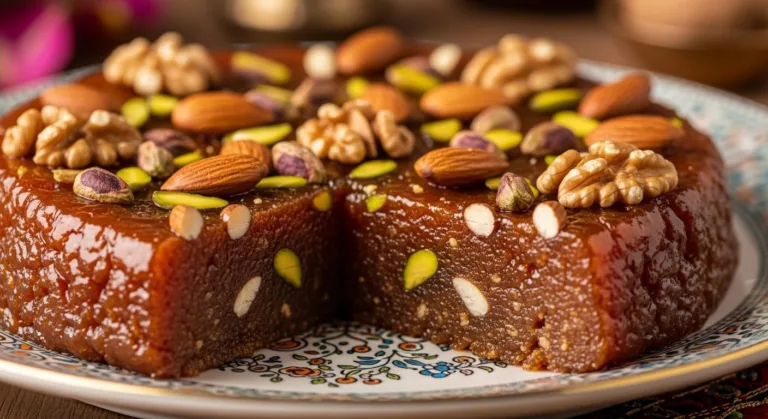
The main ingredients are pretty simple but super rich: ghee (which is butter that’s been cooked until all the water evaporates), sugar, milk, and cornflour. Many recipes also add nuts like almonds and pistachios, plus cardamom for that amazing aromatic flavor. All these ingredients are cooked together for hours, sometimes up to six or seven hours, until they turn into a glossy, chewy, absolutely irresistible sweet.
What makes it different from regular halwa? Well, sohan halwa has this unique texture that’s both chewy and slightly crunchy at the same time. It’s often golden or amber in color, and when you pull it apart, it creates these beautiful, stretchy strands. Pretty cool, right?
Breaking Down the Calorie Count
Okay, let’s get to the numbers! A typical piece of Multani sohan halwa (about 100 grams, which is roughly the size of a small chocolate bar) contains approximately 400 to 500 calories. That’s quite a bit! To put that in perspective, that’s about the same amount of calories as a large cheeseburger or three slices of pizza.
But where do all these calories come from? Let’s break it down:
Ghee (Clarified Butter): This is the biggest calorie contributor. Ghee is almost 100% fat, and fat contains more calories per gram than any other nutrient. Just one tablespoon of ghee has about 120 calories! Since sohan halwa uses a LOT of ghee to get that rich, melt-in-your-mouth texture, this ingredient alone accounts for a huge portion of the total calories.
Sugar: Sweet treats need sugar, obviously! Sugar is pure carbohydrate, and it adds about 4 calories per gram. Traditional sohan halwa recipes use lots of sugar to achieve that perfect sweetness, contributing another big chunk of calories.
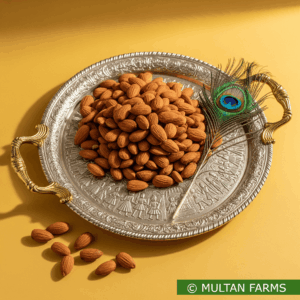
Nuts: The almonds and pistachios sprinkled on top aren’t just for decoration. Nuts are nutritious but also calorie-dense because they contain healthy fats and protein. They probably add another 50-100 calories to your piece.
Milk and Flour: These ingredients contribute smaller amounts of calories but still add up in the final count.
Why Does It Have So Many Calories?
Think about building a campfire. To get a really big, hot fire, you need lots of good fuel, right? Well, calories are basically fuel for your body. Foods with lots of fat and sugar, like sohan halwa, are super energy-dense, which means they pack a lot of calories into a small package.
This isn’t an accident! Traditional sweets like Multani sohan halwa were created in times when people did a lot more physical labor. Farmers, merchants, and craftspeople needed high-energy foods to keep them going through long, hard days of work. A small piece of sohan halwa could provide quick, lasting energy when someone didn’t have time for a full meal.
Today, most of us don’t do as much physical labor as people did back then. We sit in classrooms, ride in cars, and spend time on our phones or computers. That means we don’t need quite as many calories as our ancestors did. But that doesn’t mean we can’t enjoy sohan halwa, we just need to be smart about it!
Comparing Sohan Halwa to Other Sweets
Let’s see how Multani sohan halwa stacks up against other treats you might know:
- Chocolate bar (regular size): About 200-250 calories
- Slice of chocolate cake: About 300-400 calories
- Ice cream (one cup): About 250-350 calories
- Multani sohan halwa (100g): About 400-500 calories
As you can see, sohan halwa is definitely on the higher end! But here’s the thing, you usually eat a much smaller piece of sohan halwa than you would ice cream or cake. A typical serving might be only 30-40 grams, which would be around 150-200 calories. That’s much more reasonable, right?
The Nutritional Story Beyond Calories
Here’s something important to remember: calories aren’t the whole story! While sohan halwa is high in calories, it also contains some beneficial nutrients thanks to its ingredients.
The nuts provide protein, healthy fats, and minerals like magnesium and vitamin E. Ghee, despite being high in calories, contains fat-soluble vitamins like A, D, and E. Milk adds calcium and protein. Even cardamom, that delicious spice, has been used in traditional medicine for digestion!
Does this mean sohan halwa is a health food? Not exactly! It’s still a treat that should be enjoyed in moderation. But it does mean that when you eat it, you’re getting more than just sugar and empty calories. Think of it like the difference between eating a piece of fruit (which has natural sugars plus vitamins and fiber) versus eating a plain sugar cube.
How to Enjoy Sohan Halwa Smartly
So should you never eat Multani sohan halwa because it’s high in calories? Absolutely not! Food is meant to be enjoyed, and traditional sweets like this are part of cultural celebrations and family traditions. The key is balance and portion control.
Here are some smart ways to enjoy this delicious treat:
Keep portions small: Instead of eating a huge chunk, enjoy a small piece (about the size of two dice). This gives you all the flavor and satisfaction with fewer calories.
Save it for special occasions: Make sohan halwa a treat for festivals, celebrations, or special family gatherings rather than an everyday snack.
Balance it out: If you know you’ll be having sohan halwa later, maybe skip that second helping at dinner or choose lighter options for your other meals.
Stay active: Remember, calories are energy! If you’re playing sports, dancing, or being physically active, your body needs and uses that energy. An active lifestyle gives you more room for occasional treats.
Learning to Read Your Body’s Signals
Here’s something really cool to think about: your body is actually pretty smart about telling you when you’ve had enough. When you eat something super rich like sohan halwa, you usually feel satisfied with just a small amount. That’s your body’s way of saying, “Hey, I got lots of energy from that, we’re good!”
Compare that to how you might mindlessly eat a whole bag of chips while watching TV. Sometimes less satisfying foods make us eat more because we’re not really paying attention. When you eat something special like Multani sohan halwa, try to really savor it. Notice the texture, the sweetness, the way the nuts crunch. This practice, called mindful eating, helps you enjoy treats more while naturally eating less.
The Cultural Connection
Foods like Multani sohan halwa aren’t just about calories and nutrition, they’re about culture, tradition, and connection. When families in Multan make this sweet, they’re continuing a tradition that’s been passed down for generations. Places like Multanfarms.com help keep these traditions alive by sharing authentic recipes and information about traditional foods.
Understanding the calories in sohan halwa doesn’t mean you should avoid it. Instead, it means you can make informed choices about when and how much to enjoy. It’s kind of like knowing how to manage your allowance, you can still buy that game you want, but you might need to save up for it and plan accordingly!
Wrapping Up the Sweet Truth
So what have we learned? Multani sohan halwa is definitely a calorie-rich treat, packing about 400-500 calories per 100 grams. Those calories come mainly from ghee, sugar, and nuts, all ingredients that make this traditional sweet so deliciously rich and satisfying. But calories aren’t something to fear, they’re just energy, and understanding them helps you make smart choices.
The next time you see that golden, glossy piece of Multani sohan halwa, you’ll know exactly what you’re getting. You can enjoy it mindfully, appreciate the tradition behind it, and balance it with other healthy choices throughout your day. After all, life is all about balance, and that includes balancing nutritious everyday foods with special treats that make life a little sweeter!
What’s your favorite traditional sweet, and have you ever wondered about its nutritional story? Food is fascinating when you start asking questions!