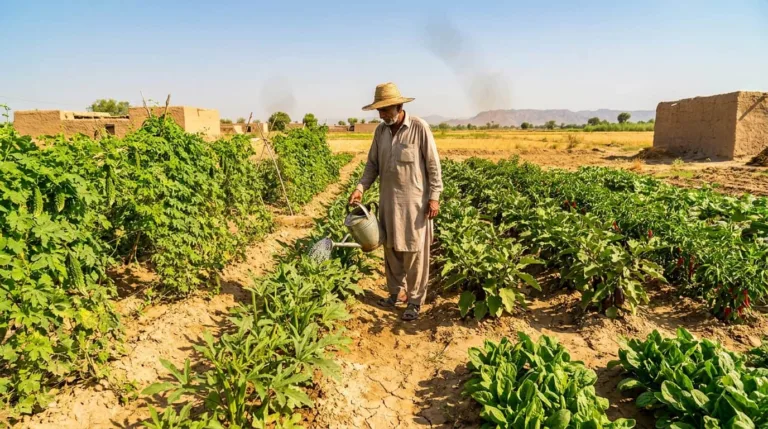
Picture this: it’s mid-June in Pakistan, the sun is blazing down like a giant heat lamp, and you’re desperately seeking shade under the nearest tree. The temperature has climbed past 40 degrees Celsius, and you’re wondering how anything can survive, let alone grow, in this intense heat! But here’s the amazing part, while you’re melting like an ice cream cone, there are certain vegetables that actually love this weather. They’re thriving, growing strong, and getting ready to land on your dinner plate!
Summer in Pakistan is no joke. From May to August, the country experiences some seriously hot weather that would make most plants wilt and give up. But Mother Nature is pretty clever, and she’s created vegetables that are perfectly designed to handle the heat. These tough veggies don’t just survive in summer, they actually produce their best crops during these scorching months!
Whether you’re curious about where your food comes from, thinking about starting a garden, or just want to know which fresh vegetables to look for at the market during summer, you’re in the right place. We’re about to explore the fascinating world of summer vegetables in Pakistan, and trust me, by the end of this article, you’ll never look at your salad the same way again! Plus, if you’re interested in getting fresh, quality produce, Multanfarms.com connects you with farms that grow these amazing summer vegetables right here in Pakistan.
Why Do Some Vegetables Love the Heat?
Before we dive into which vegetables grow in Pakistan’s summer, let’s understand something cool (or should I say hot?). Not all plants are created equal when it comes to temperature preferences. Think of it like this: some of your friends probably love swimming in cold water, while others prefer warm pools. Plants are the same way!
Summer vegetables are basically the tough guys of the plant world. They’ve evolved over thousands of years to handle intense sunlight, high temperatures, and sometimes even less water. Their leaves are often thicker or have special coatings that prevent too much water from evaporating. Their roots dig deeper into the soil to find moisture. It’s like they’re wearing invisible armor against the heat!
In Pakistan, where summer temperatures can reach up to 50 degrees Celsius in some areas, only the strongest vegetables can make it. These plants use the long, sunny days to grow quickly and produce lots of fruits (yes, many vegetables are technically fruits!). The intense sunlight helps them make more food through photosynthesis, which is like their version of eating a power-packed lunch that gives them tons of energy.
The Superstars of Pakistani Summer Vegetables
Let’s meet the champions that dominate Pakistan’s summer vegetable scene! These are the veggies you’ll find fresh and abundant in markets from Karachi to Lahore, from Multan to Peshawar during those hot months.
Bitter gourd (Karela) might be at the top of the “vegetables kids love to hate” list, but it’s absolutely a summer superstar in Pakistan! This bumpy, green vegetable grows like crazy in hot weather. Farmers love it because it’s tough and doesn’t need as much water as other crops. Even though it tastes, well, bitter, it’s packed with nutrients that help keep you healthy during summer. Many families believe it helps cool down your body naturally, which is pretty useful when it’s blazing hot outside!
Okra (Bhindi) is another summer favorite that thrives in heat. Those long, green pods grow on tall plants that can handle full sun without complaining. Here’s a fun fact: okra grows so fast in summer that farmers sometimes have to harvest it every single day! If they wait too long, the pods get tough and woody. When you see fresh okra at the market, you know summer has truly arrived in Pakistan.
Bottle gourd (Lauki) might look plain, but don’t let that fool you! This light green vegetable is like nature’s water bottle. It’s made up of about 92% water, which makes it perfect for staying hydrated during hot summer days. The vines can grow super long, sometimes covering entire roofs or fences, and they produce these large, bottle-shaped vegetables that are mild and easy to cook in dozens of different ways.
Vegetables That Bring Color to Summer Gardens
Summer in Pakistan isn’t just about green vegetables. There are some colorful champions too!
Tomatoes are everywhere during Pakistani summers, and there’s a good reason for that. While tomatoes can be tricky (they don’t like extreme heat), the varieties grown in Pakistan have adapted well to the climate. From May through July, you’ll find beautiful red, juicy tomatoes that are perfect for salads, curries, and chutneys. Farmers in areas like Multan and surrounding regions have mastered the art of growing tomatoes that can handle the heat without turning mushy.
Eggplant (Baingan) comes in all shapes and sizes during summer. You’ve got the long, purple ones, the round fat ones, and even some that are almost white! These glossy vegetables love the warmth and produce abundantly from June onwards. At Multanfarms.com, you can find fresh eggplants grown by local farmers who understand exactly how to cultivate them in Pakistan’s unique climate.
Chili peppers absolutely thrive in hot weather. Whether it’s the long green ones, the small fiery red ones, or anything in between, summer is when Pakistani farms produce the most peppers. The heat actually makes them spicier! It’s like the plants are channeling all that hot weather into creating extra-hot peppers. If you’ve ever wondered why summer peppers seem to have more kick, now you know!
The Leafy Greens That Don’t Give Up
You might think leafy vegetables would struggle in summer heat, but some varieties are surprisingly tough!
Spinach (Palak) does take a summer break in the absolute hottest months, but heat-tolerant varieties can grow in early summer (May) and late summer (August) in Pakistan. Smart farmers know which types to plant and when. These leafy greens grow fast and can be harvested multiple times from the same plant. It’s like getting bonus vegetables without planting new seeds!
Mint (Pudina) and coriander (Dhania) are herbs that many Pakistani families grow at home, and they can handle summer if given a bit of afternoon shade. These aren’t vegetables exactly, but they’re super important in Pakistani cooking. Fresh mint in your raita or coriander in your curry just hits differently when it’s homegrown or farm-fresh from sources like Multanfarms.com.
Root Vegetables and Underground Surprises
While many root vegetables prefer cooler weather, a few can handle Pakistani summers quite well!
Radishes are quick growers that can be planted in early summer. In just 25-30 days, you can go from seed to salad! That’s less than a month! Pakistani farmers often grow radishes between other crops because they don’t take up much space and grow super fast. The crisp, peppery taste is refreshing in summer salads.
Ginger and turmeric actually prefer warm, humid conditions, so they do great in Pakistan’s summer, especially in areas that get monsoon rains. These aren’t vegetables you’d eat on their own, but they’re incredibly important in Pakistani cuisine and traditional medicine. The rhizomes (that’s the fancy word for the underground stems we eat) develop their best flavor when grown in warm conditions.
Why Buying Local Summer Vegetables Matters
Here’s something important to think about: when you buy vegetables that are in season and grown locally, you’re doing something really smart! Seasonal vegetables are fresher, tastier, and often cheaper because farmers have lots of them available. It’s like buying winter coats in January versus trying to find them in July, the price and quality are just better when it’s the right season.
When you get your vegetables from local sources like Multanfarms.com, you’re also helping Pakistani farmers and reducing the environmental impact of your food. Think about it: a tomato grown in Multan and eaten in Multan doesn’t need to travel far, which means less fuel burned and fresher food on your plate. It’s a win-win situation!
Plus, eating summer vegetables in summer just makes sense for your body. Remember how we said bitter gourd helps cool you down? Many summer vegetables have high water content and nutrients that help you stay healthy in hot weather. It’s like nature knew exactly what we’d need and provided it at the perfect time!
Growing Your Own Summer Vegetables
Want to try growing some of these vegetables yourself? It’s actually easier than you might think! Even if you don’t have a big garden, you can grow things like chilies, tomatoes, or herbs in pots on a sunny balcony or rooftop.
The key is choosing the right vegetables for your space and giving them what they need: sunlight (at least 6 hours a day), water (more in summer!), and good soil. Start with something easy like chilies or mint. Watch them grow day by day, and before you know it, you’ll be harvesting your own fresh vegetables! There’s something incredibly satisfying about eating food you’ve grown yourself.
If you’re not ready to grow your own yet, no worries! That’s what farms and services like Multanfarms.com are for. They do the hard work of growing these vegetables so you can enjoy fresh, quality produce without the effort.
Making the Most of Summer’s Bounty
Summer vegetables in Pakistan are tough, versatile, and packed with nutrients that help us survive the intense heat. From the humble bitter gourd to the versatile eggplant, these vegetables have adapted perfectly to thrive in conditions that would make other plants give up completely.
Next time you’re at the market or ordering fresh produce online, look for these summer superstars. Try new recipes, experiment with vegetables you haven’t tasted before, and appreciate the incredible fact that these plants are growing and producing food in temperatures that make us want to hide indoors with the AC on full blast!
So, which summer vegetable are you going to try cooking this week? Whether it’s making crispy okra, a refreshing bottle gourd curry, or a spicy pepper dish, you’re now equipped with the knowledge of what grows best during Pakistan’s hottest months. And remember, when you eat seasonal, locally-grown vegetables, you’re not just feeding yourself, you’re supporting Pakistani farmers and eating food that’s perfectly suited for the weather outside. Pretty cool, right?