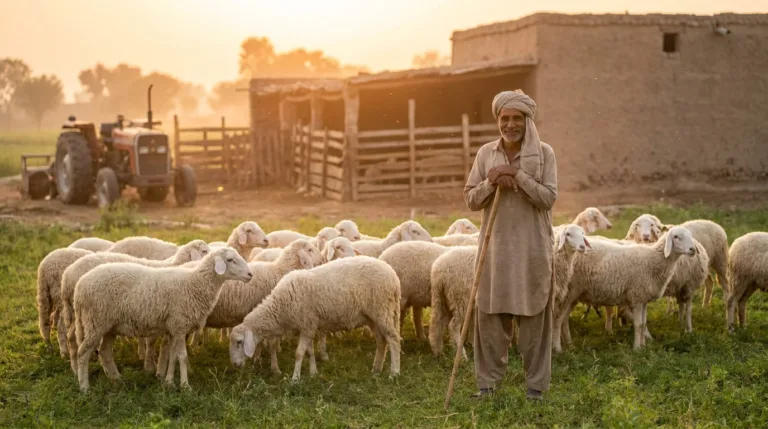
Imagine waking up every morning to the gentle bleating of sheep grazing peacefully in green pastures. Picture yourself running your own business where you’re not stuck behind a desk, but instead working outdoors with animals that provide wool, meat, and milk for communities. Sound interesting? Well, that’s exactly what sheep farming is all about, and it might be more achievable than you think!
Sheep farming has been around for thousands of years, making it one of humanity’s oldest agricultural practices. In places like Pakistan, particularly in regions around Multan where Multanfarms.com operates, sheep farming isn’t just a hobby, it’s a serious business that supports entire families and communities. But here’s the exciting part: with the right knowledge and planning, anyone with dedication and a love for animals can start their own sheep farming venture.
In this article, you’ll discover everything you need to know about starting a sheep farming business. We’ll walk through the essential steps, from choosing the right breed to understanding what sheep need to stay healthy and productive. You’ll learn about the costs involved, the potential profits, and the challenges you might face along the way. Ready to explore whether sheep farming could be your future? Let’s dive in!
Why Would Someone Want to Start a Sheep Farm?
Before we jump into the “how,” let’s talk about the “why.” What makes sheep farming such an attractive business opportunity? Well, sheep are like the multitaskers of the animal world! Unlike some farm animals that provide just one product, sheep give you multiple ways to earn money.
First, there’s wool. Every year, sheep need to be sheared (that means getting a haircut), and that wool can be sold to textile companies that turn it into clothing, blankets, and carpets. Then there’s meat, which is in high demand in many countries, especially during religious festivals and celebrations. Mutton (sheep meat) is a staple protein in Pakistani cuisine and many other cultures around the world.
But wait, there’s more! Sheep also produce milk, which can be sold fresh or turned into cheese and yogurt. Some farmers even sell sheep manure as fertilizer for gardens and farms because it’s packed with nutrients that help plants grow. It’s like having a business with four different income streams, all from taking care of the same animals!
Plus, sheep are relatively easier to manage compared to larger livestock like cattle. They’re smaller, need less space per animal, and can adapt to different climates. This makes them perfect for both small family farms and larger commercial operations.
What Do You Need to Know Before Starting?
Starting any business requires preparation, and sheep farming is no different. Think of it like preparing for a big school project. You wouldn’t just start writing without doing research first, right? The same principle applies here. Let’s break down the essential knowledge you’ll need.
Understanding sheep behavior is your first priority. Sheep are flock animals, which means they feel safest when they’re in groups. They don’t like being alone, kind of like how you probably prefer hanging out with friends rather than always being by yourself. This means you can’t just buy one or two sheep, you need to start with at least a small flock of 5-10 animals minimum.
You also need to learn about different sheep breeds and which ones work best for your goals. Some breeds are raised primarily for wool, like Merino sheep, which produce super soft, high-quality fleece. Others, like Suffolk or Dorper breeds, are raised mainly for meat because they grow bigger and faster. Then there are dual-purpose breeds that give you both decent wool and good meat. Choosing the right breed is like choosing the right tool for a job, using the best one makes everything easier!
Climate and location matter too. Sheep can handle various weather conditions, but some breeds do better in hot climates (like around Multan) while others prefer cooler temperatures. Research which breeds thrive in your specific area, because happy, comfortable sheep are healthier and more productive.
The Essential First Steps to Launch Your Farm
Alright, so you’ve decided sheep farming sounds amazing. Now what? Let’s walk through the practical steps to get your business off the ground.
Step 1: Create a solid business plan. This doesn’t have to be super complicated, but you need to write down your goals, estimated costs, and how you plan to make money. Think about questions like: How many sheep will you start with? What will you sell (wool, meat, milk, or all three)? Who are your potential customers? Having these answers written down helps you stay focused and makes it easier to track your progress.
Step 2: Secure the right land and facilities. Sheep need space to graze and shelter to protect them from extreme weather and predators. As a general rule, you can keep about 5-10 sheep per acre of pasture, depending on how good the grass is. You’ll also need to build or buy a shelter called a sheep barn or shed. This doesn’t have to be fancy, just something that keeps them dry and safe.
Step 3: Budget for startup costs. Let’s be real, starting any business costs money. You’ll need to buy your initial flock, build fencing to keep them contained, set up water systems, and purchase basic equipment like feeders and grooming tools. In Pakistan, starting a small sheep farm with 10-15 animals might cost anywhere from 150,000 to 300,000 rupees, depending on the breed and quality of sheep you choose.
Step 4: Find reliable suppliers and veterinarians. You’ll need to know where to buy quality feed when pasture isn’t enough, and you absolutely must have a good veterinarian who understands sheep. Animals get sick sometimes, just like people do, and having expert help nearby can save your sheep’s lives and your investment.
Daily Care: What Does Running a Sheep Farm Actually Look Like?
Once your farm is set up, what does a typical day look like? Spoiler alert: it’s not all just watching sheep peacefully graze! There’s real work involved, but many farmers find it incredibly rewarding.
Feeding is your first daily task. While sheep primarily eat grass through grazing, they often need supplemental feed, especially during dry seasons or winter when grass is scarce. This supplemental feed might include hay, grains, or special pellets with added vitamins and minerals. It’s like how you might eat a regular dinner but also take a multivitamin to make sure you’re getting everything your body needs.
Water is absolutely critical. Sheep need access to clean, fresh water all day, every day. An adult sheep drinks about 1-2 gallons of water daily, and even more when it’s hot outside. You’ll need to check water troughs regularly to make sure they’re full and clean.
Health monitoring should happen daily too. This means walking among your flock and looking for signs of illness like limping, not eating, or acting unusually quiet. Catching problems early makes treatment easier and cheaper. You’ll also need to schedule regular vaccinations and deworming treatments, kind of like how you visit the doctor for checkups and get your flu shot.
Breeding management becomes important as your farm grows. You’ll need to understand when sheep are ready to breed, how long pregnancy lasts (about five months), and how to care for newborn lambs. This is where your farming business actually grows, literally!
Turning Your Sheep Into Profit: Marketing Your Products
Having healthy, productive sheep is great, but you also need to know how to sell what they produce. This is where business skills meet farming skills. At Multanfarms.com, we understand that connecting farmers with markets is just as important as growing quality products.
For meat sales, you have several options. You can sell live sheep to other farmers or butchers, especially before major festivals when demand skyrockets. Alternatively, you might arrange for proper slaughter and sell the meat directly to consumers or restaurants. Many farmers find that building relationships with local butcher shops creates steady, reliable income.
Wool sales require finding textile companies or craftspeople who need raw fiber. In Pakistan, there’s a strong domestic textile industry that’s always looking for quality wool. You might also discover niche markets like hand-spinners or craft enthusiasts who’ll pay premium prices for specialty wool.
If you’re producing milk, you could sell it fresh to neighbors and local communities, or learn to make simple products like yogurt or cheese that sell for higher prices. Value-added products (that means taking raw materials and turning them into something more finished) almost always earn more money than selling raw materials alone.
Don’t forget about online marketing! Social media platforms and websites can help you reach customers beyond your immediate area. Posting pictures of your healthy flock, sharing farming stories, and educating people about your products builds trust and attracts buyers.
The Challenges You Might Face (And How to Overcome Them)
Let’s be honest, no business is without challenges, and sheep farming definitely has its tough moments. But knowing what obstacles you might face helps you prepare solutions in advance.
Predators like wild dogs, wolves, or even large birds can threaten your flock. The solution? Good fencing, guardian dogs (yes, some dogs protect sheep instead of chasing them!), and secure nighttime shelters. Think of it like locking your doors at night to keep your home safe.
Disease outbreaks can spread quickly through a flock if you’re not careful. This is why biosecurity (that means keeping diseases away from your farm) is so important. Simple practices like disinfecting boots before entering sheep areas, quarantining new animals before mixing them with your flock, and maintaining vaccination schedules can prevent most problems.
Market price fluctuations mean that what you can sell sheep or wool for changes over time. Prices might be great one month and disappointing the next. Diversifying (selling multiple products instead of just one) and building loyal customer relationships helps smooth out these ups and downs.
Physical demands of farming can be exhausting. Sheep farming involves heavy lifting, working in all weather conditions, and being on call 24/7 when lambs are being born. Make sure you’re ready for the physical challenges and consider getting help from family members or hiring workers as your farm grows.
Your Journey Starts Here
Starting a sheep farming business isn’t just about making money, though that’s certainly an important part! It’s about creating something meaningful, working with nature, and providing valuable products that communities need. From the wool that becomes someone’s warm winter sweater to the meat that brings families together at celebration meals, your work as a sheep farmer touches people’s lives in real ways.
The journey from complete beginner to successful sheep farmer takes time, patience, and plenty of learning along the way. You’ll make mistakes (every farmer does!), but you’ll also experience the incredible satisfaction of watching your flock grow and your business succeed. At Multanfarms.com, we celebrate farmers who take on these challenges and contribute to Pakistan’s agricultural heritage.
So, is sheep farming right for you? Only you can answer that question, but now you have the knowledge to make an informed decision. Whether you’re dreaming of a small farm with a dozen sheep or imagining a large commercial operation, every successful farm started with someone asking the same questions you’re asking right now. What’s stopping you from taking that first step toward your sheep farming adventure?