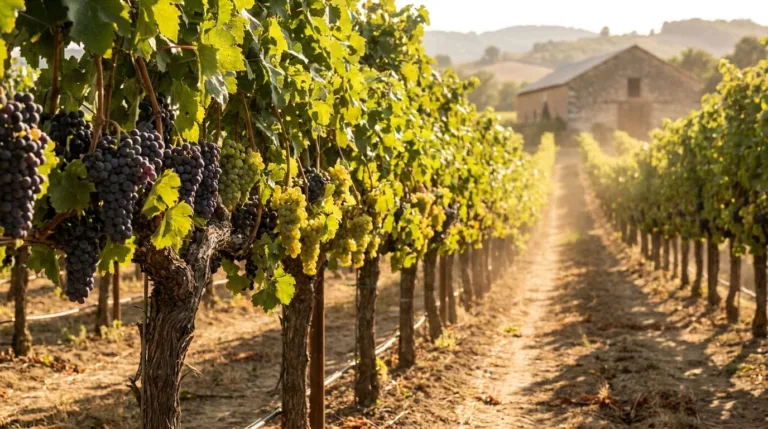
Picture this: you’re at a fruit market on a hot summer day, and you spot these beautiful, juicy grapes hanging in perfect clusters. They look so refreshing that you can almost taste their sweet flavor just by looking at them! But have you ever stopped to wonder, when exactly do these delicious fruits actually grow? Do they pop up magically in summer, or is there more to the story?
Grapes are one of the world’s oldest and most popular fruits. People have been growing them for thousands of years, turning them into everything from fresh snacks to raisins, juice, and even wine. But here’s something that might surprise you: grapes don’t just grow in one season! Their growing cycle is actually spread across multiple seasons, and understanding this can help you appreciate just how much work goes into getting those perfect grapes to your table.
Whether you’re a curious student learning about agriculture or someone who just loves grapes, you’re about to discover the fascinating seasonal journey of grape cultivation. Trust me, once you know how grapes grow, you’ll never look at them the same way again!
The Seasonal Life Cycle of Grapes
Let’s start with the basics. Grape vines are perennial plants, which means they don’t die after one season like tomatoes or wheat. Instead, they live for many years, going through the same cycle over and over again. Think of them like the seasons themselves, always repeating in a beautiful pattern!
Spring is when the magic begins. This is the season when grape vines wake up from their winter sleep. As temperatures warm up and days get longer, tiny buds start appearing on the vines. These buds are like little promises of the grapes that will come later. By mid-spring, you’ll see leaves unfurling and small flower clusters forming. It’s basically the vine’s way of saying, “Hey, I’m alive and ready to grow!”
During late spring, something really cool happens called flowering. The vine produces tiny, delicate flowers that eventually turn into grapes. This process is super important because if the weather is too cold, too hot, or too rainy during flowering, it can mess up the whole grape harvest. Farmers watch the weather like hawks during this time!
Summer: The Growing Season
Now we’re getting to the heart of the matter. Summer is the main growing season for grapes, and this is when most of the action happens. After the flowers get pollinated in spring, small, hard, green berries start forming. At first, they’re about the size of tiny peas and definitely not something you’d want to eat!
Throughout summer, these baby grapes go through an incredible transformation. They grow bigger and bigger, soaking up sunshine like solar panels. The vines work overtime, pulling water and nutrients from the soil and sending them to the developing fruit. It’s like watching a balloon slowly inflate, except this balloon eventually becomes sweet and delicious!
Around mid-summer, something spectacular occurs that farmers call “veraison.” This fancy word describes the moment when grapes start changing color. Green grapes might stay green or turn golden, while red and purple varieties transform from green to their final beautiful colors. It’s nature’s way of saying the grapes are starting to ripen. During this time, the grapes also start producing sugar, which makes them taste sweet instead of sour.
Autumn: Harvest Time Arrives
Autumn (or fall) is harvest season, and it’s the most exciting time for grape farmers! After months of careful tending, the grapes are finally ready to be picked. In most places, grape harvest happens between late summer and mid-autumn, depending on the grape variety and local climate.
Timing the harvest is like solving a puzzle. Farmers need to pick grapes when they’re perfectly ripe, not too early and not too late. Too early, and the grapes will be sour and bitter. Too late, and they might become overripe or damaged by weather. Many farmers actually taste the grapes regularly during this period to decide the perfect picking day!
Different types of grapes ripen at different times. Some varieties are ready by late August, while others aren’t perfect until October. It’s similar to how some of your classmates might be early bloomers while others develop their talents a bit later, everyone has their own timeline!
Winter: Rest and Recovery
You might think grapes have nothing to do in winter, but that’s not quite true! Winter is the resting season for grape vines, but it’s also when important preparation work happens. After the leaves fall off in late autumn, the vines enter dormancy, which is basically like hibernation for plants.
During winter, farmers aren’t just sitting around drinking hot chocolate (though they probably do some of that too!). This is the season for pruning, which means carefully cutting back the vines. It might seem mean to cut a plant, but pruning is actually super important. It’s like giving the vine a haircut so it can grow back stronger and healthier in spring.
The cold winter temperatures are also beneficial for grape vines. The chill helps the plant rest properly and prepares it for another productive growing season. In places where winters are too warm, grape vines can actually struggle because they don’t get enough rest. It’s proof that even plants need their beauty sleep!
How Climate Affects Grape Growing Seasons
Here’s where things get really interesting. Not all places grow grapes in exactly the same seasons! The timing can shift depending on whether you’re in Pakistan, California, France, or Australia. Climate makes a huge difference.
In countries near the equator or in tropical regions, the seasons aren’t as distinct. Some places can actually grow grapes twice a year! In Pakistan, for example, grapes typically grow from spring through summer, with harvest happening in summer to early autumn depending on the region. Areas like Balochistan and parts of Punjab are famous for their delicious grapes.
In the Southern Hemisphere (places like Chile, Argentina, and South Africa), the seasons are flipped compared to the Northern Hemisphere. When it’s summer in Pakistan, it’s winter there, and vice versa. So their grape growing season happens during our winter months! This is actually pretty cool because it means fresh grapes can be available year-round somewhere in the world.
Why Understanding Grape Seasons Matters
You might be wondering, “Okay, this is interesting, but why should I care about when grapes grow?” Great question! Understanding agricultural seasons connects us to our food and helps us appreciate the hard work that farmers do.
When you know that grapes take months to grow and require careful attention through multiple seasons, you’re less likely to waste them. Each grape represents sunshine, water, soil nutrients, and human effort. That’s pretty amazing when you think about it! Plus, eating fruits during their natural season usually means they taste better and cost less because they don’t have to be shipped from far away.
For students interested in farming, climate science, or even business, understanding crop seasons is super valuable knowledge. It helps explain why grape prices might change throughout the year or why certain types of grapes are only available at specific times.
Growing Your Own Grapes at Home
Here’s a fun thought: you could actually grow grapes yourself! While it takes patience (remember, they need a full year to go through their cycle), it’s totally possible to grow grape vines in a home garden. You’d get to witness the entire seasonal journey firsthand, from spring buds to autumn harvest.
If you’re interested, you’d need to plant grape vines in late winter or early spring. Then you’d watch them leaf out, flower, and eventually produce fruit. It takes about three years before a young vine produces a decent crop, but imagine how satisfying it would be to eat grapes you grew yourself!
The Bottom Line on Grape Seasons
So, to answer our original question: grapes grow primarily during spring and summer, with harvest happening in late summer to early autumn. But their full life cycle involves all four seasons, each playing an important role. Winter provides rest, spring brings new growth, summer develops the fruit, and autumn delivers the harvest.
Next time you pop a grape into your mouth, take a moment to think about the seasonal journey it took to reach you. From a tiny bud in spring to a sweet, juicy fruit by autumn, grapes are a perfect example of nature’s incredible timing and the patience required to grow our food. Pretty cool, right?
Have you ever thought about what other fruits and vegetables go through seasonal changes? Maybe it’s time to become a seasonal food detective and learn about the growing cycles of your other favorite foods!