Have you ever seen someone with a thick, dark paste smeared all over their face and wondered if they had accidentally fallen into a swamp? Surprise, they were actually doing something really smart for their skin! Korean mud masks have taken the beauty world by storm, and people in every country are going crazy over them. Once you find out what these masks actually do, you’ll totally understand the hype.
Korean beauty, also called K-beauty, is famous around the world for its natural, science-backed approach to skincare. South Korean women are often celebrated for their bright, healthy-looking skin, and their skincare secrets have slowly made their way into bathrooms all over the globe. The mud mask is one of the biggest stars of the K-beauty world, and it’s been used for hundreds of years in different forms across many cultures.
By the time you finish reading this, you’ll know exactly what Korean mud masks are made of, how they work, and why people everywhere are obsessing over them. You might even want to try one yourself!
What Is a Korean Mud Mask, Exactly?
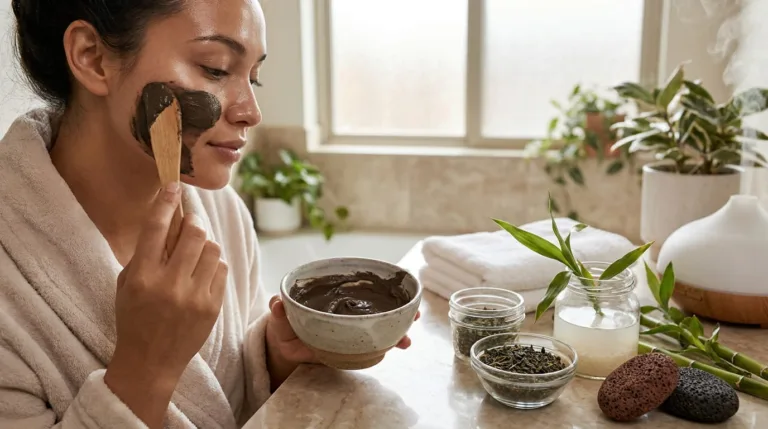
A Korean mud mask is a thick, clay-based paste that you spread onto your face, leave on for about 10 to 20 minutes, and then rinse off. It looks messy, but that’s actually the whole point. The mud works like a sponge, soaking up all the dirt, oil, and impurities hiding inside your pores. Think of your pores like tiny holes in a sponge. Over time, they fill up with oil and dirt, just like a kitchen drain that slowly gets clogged. A mud mask goes in there and pulls all that gunk out, leaving your skin clean and fresh.
Korean mud masks come in different forms. Some are thick pastes you scoop out of a jar, others are tubes you squeeze onto your fingertips, and some are pre-soaked sheet masks that you press onto your face like a sticker.
The Powerful Ingredients Inside Korean Mud Masks
The real magic of a Korean mud mask is in what it’s made of. Here are some of the most common ingredients you’ll find:
- Kaolin Clay: This soft, white clay is one of the most popular in K-beauty. It’s gentle enough for sensitive skin and great at absorbing excess oil without drying your face out.
- Bentonite Clay: This is the powerhouse version. It carries a natural negative electrical charge, which means it pulls positively charged toxins and impurities out of your pores like a magnet. Science is cool, right?
- Volcanic Ash: Found on the famous Jeju Island in South Korea, volcanic ash is loaded with minerals and is known for deep-cleaning pores really effectively.
- Activated Charcoal: You might think of charcoal as something you use in a grill, but in skincare, it acts like a tiny vacuum cleaner for your pores, sucking out all the bad stuff.
- Green Tea Extract: Green tea is packed with antioxidants that protect the skin from damage and calm any redness or irritation.
Each ingredient has a specific job to do, and together they form a powerful team working for your skin.
How Does a Mud Mask Actually Work?
When you apply a Korean mud mask, it starts drying on your skin. As it dries, it tightens slightly, and that gentle pulling action helps lift impurities out of your pores. It’s similar to pressing a piece of soft clay onto a surface and peeling it off, whatever was on that surface sticks to the clay. The minerals in the mask hold onto oil, dirt, and dead skin cells and carry them away when you rinse.
There’s also a process called adsorption happening (not to be confused with absorption). Adsorption means that particles stick to the surface of a mineral instead of being soaked into it. Bentonite clay is a champion at adsorption, grabbing onto toxins and bad bacteria and holding them tight until they’re washed off your face. Who knew a mud mask was a chemistry lesson too?
The Surprising Connection Between K-Beauty and Multani Mitti
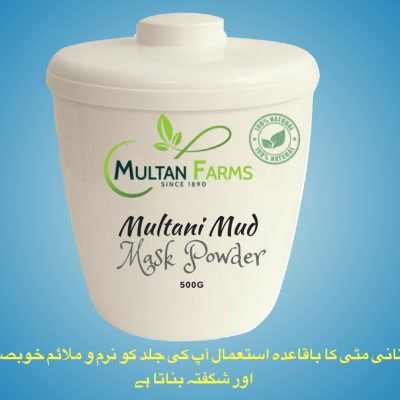
Here’s something that might blow your mind. Long before Korean mud masks became a global trend, people in Pakistan and South Asia had already discovered the power of clay skincare. Multani mitti, also known as Fuller’s Earth, has been used for centuries in this region to clean skin, absorb oil, and leave the face looking bright and refreshed. It comes from Multan, Pakistan, and is one of the most beloved natural beauty ingredients in South Asian history.
The similarities between Multani mitti and Korean mud masks are remarkable. Both use clay as their main ingredient, both deep-clean pores, both absorb excess oil, and both leave the skin feeling softer and smoother. It’s a beautiful reminder that people across different cultures, thousands of miles apart, discovered the same natural secret. Nature had the answer all along.
How to Use a Korean Mud Mask for the Best Results
Using a mud mask is pretty simple, but following the right steps makes a big difference:
- Wash your face first with a gentle cleanser to remove surface-level dirt.
- Apply the mask evenly in a thin layer, staying away from your eyes and lips.
- Wait 10 to 15 minutes or until the mask feels dry to the touch.
- Rinse it off thoroughly using lukewarm water and gentle circular motions.
- Moisturize right after to keep your skin hydrated, because clay can pull out some of your skin’s natural moisture too.
One important thing to remember is that more isn’t always better. Using a mud mask once or twice a week is plenty. Using it every single day can actually strip your skin of its natural oils and cause irritation.
The Takeaway: Mud Is Actually Your Skin’s Best Friend
So the next time you see someone with a dark, clay-covered face, you’ll know they’re not doing something weird, they’re doing something wise! Korean mud masks are a perfect example of how ancient knowledge and modern science can come together to create something genuinely amazing. Whether it’s volcanic ash from Jeju Island or Multani mitti from the heart of Pakistan, the idea is the same: the earth holds powerful minerals that can clean, protect, and refresh our skin naturally.
The best skincare doesn’t always come from a fancy lab. Sometimes, it comes straight from the ground beneath our feet. So, which natural ingredient would you want to add to your skincare routine?