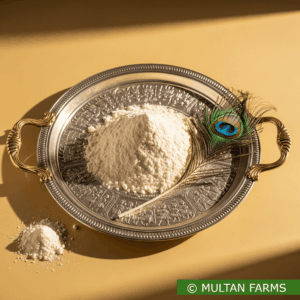
Have you ever walked past a kitchen and caught that amazing nutty smell coming from a golden-colored flour? That’s probably besan flour, and it’s about to become your favorite ingredient once you learn what it can do. Besan flour, also called gram flour or chickpea flour, is one of those superstar ingredients that’s been feeding people in South Asia for thousands of years. It’s not just delicious, but it’s also packed with nutrition that your body actually needs to stay strong and healthy.
Here’s something cool: this flour doesn’t come from wheat or rice like you might think. Instead, it comes from tiny, golden chickpeas that get ground into a super fine powder. It’s the kind of ingredient that sounds simple, but once you start using it, you’ll discover it can make everything from crispy snacks to creamy curries to beautiful face masks. So, what exactly makes besan flour so special, and why should you care? Let’s dig in and find out together.
Where Does Besan Flour Actually Come From?
Think of chickpeas as little golden treasures growing in the ground. Farmers plant these legumes, wait for them to mature, and then harvest the dried beans. What makes this process really cool is that chickpeas are incredibly smart crops, they actually help the soil become richer by pulling something called nitrogen from the air and storing it in the ground. This means farming chickpeas is actually good for the environment.
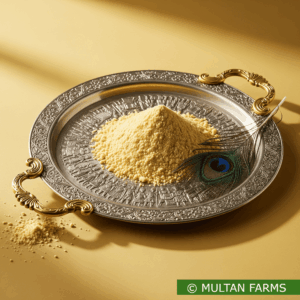
Once the chickpeas are harvested and dried completely, they get taken to mills where the magic happens. The dried chickpeas are roasted lightly, which gives besan that amazing nutty flavor you might have noticed. Then, powerful machines grind them into powder so fine that it feels like silk between your fingers. The result is the beautiful golden-yellow flour that sits on grocery store shelves and in kitchen pantries across Pakistan and beyond.
The Nutrition Secret That Everyone’s Talking About
Let’s be real, you probably hear about nutrition all the time, but here’s why besan flour is actually different from a lot of other flours you might use. One serving of besan flour contains about 10-12 grams of protein, which is seriously impressive for a plant-based food. If you’re vegetarian or just want to eat healthier, this flour is basically a protein powerhouse hiding in plain sight.
But that’s not all the good stuff hiding in those little flour particles. Besan is also full of fiber, which helps your digestive system work properly and keeps you feeling full longer. It’s like having a tiny army of helpers working inside your stomach to keep everything running smoothly. Plus, it has minerals like iron and magnesium that your muscles and brain need to function at their best. When you eat foods made with besan, you’re literally feeding your body the building blocks it needs to grow and stay healthy.
From Savory Snacks to Sweet Treats
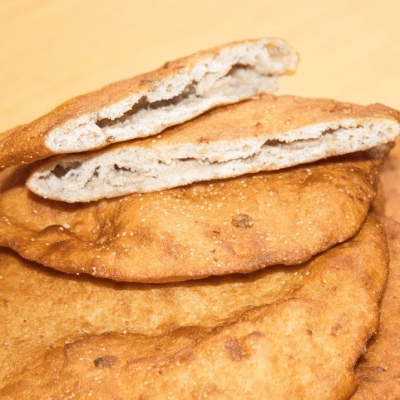
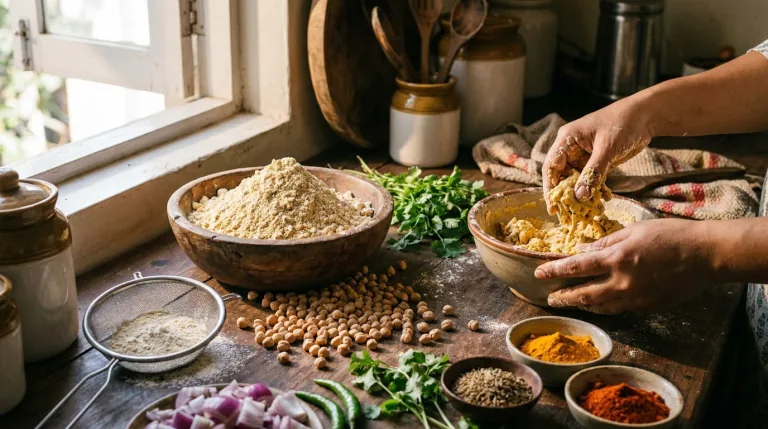
If you’ve ever eaten a crispy pakora or a chewy besan ladoo, you’ve already tasted the magic of this flour, and you probably didn’t even realize it. Pakora, which are those golden, crispy fritters you might get at parties or street vendors, rely on besan to create that perfect crunch on the outside and tender inside. The flour actually has this special property where it creates a fantastic batter that crisps up beautifully when it hits hot oil. Imagine trying to make the same snack with regular wheat flour, it just wouldn’t work the same way.
Then there are the sweet side uses that might surprise you. Besan ladoos, which are round, melt-in-your-mouth sweets made by mixing roasted besan with ghee and sugar, have been a favorite treat at celebrations for centuries. When you roast besan flour in ghee, it develops this deep, toasty flavor that’s nothing like the raw flour. It’s honestly like watching a boring ingredient transform into something magical right in front of you. Beyond these traditional foods, modern cooks are getting creative and using besan in everything from cakes to noodles to make their dishes more nutritious.
Beauty Secret from the Earth
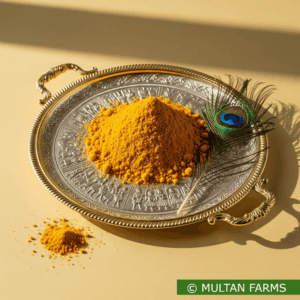
Here’s something that might blow your mind, besan flour isn’t just something you eat. People in Pakistan and India have been using it as a natural beauty ingredient for ages, and there’s actually good reason why. Besan mixed with water or yogurt creates an amazing natural face mask that helps clean your skin gently without all the harsh chemicals you might find in fancy store-bought products. The fine particles of the flour work like a gentle scrub, removing dead skin cells and leaving your skin feeling smooth and refreshed.
The really cool part is that besan is super gentle, which means even if you have sensitive skin, you can usually use it without worrying about irritation. Some people mix it with turmeric, honey, or rose water to create custom masks tailored to their skin’s needs. It’s like having access to a natural spa treatment right in your kitchen. Many people swear that regular besan masks help make their skin brighter, clearer, and more glowing. Who knew that the same flour your mom uses for pakora could also be your secret weapon for beautiful skin?
Growing Besan in Your Community
If you think about how much besan is used in Pakistani cooking and beyond, you’d realize farmers must grow a ton of chickpeas, right? Actually, Pakistan is one of the world’s biggest producers of chickpeas, and many of those chickpeas come from regions like Multan. Farmers in these areas have been growing chickpeas for generations, passing down knowledge about the best planting times, the right amount of water, and how to protect the crops from pests.
Modern farming has made things easier too. Farmers now have access to better seed varieties that grow faster and produce more chickpeas. Still, a lot of the traditional knowledge about growing chickpeas remains super valuable. It takes real skill and patience to grow chickpeas properly, and when you’re eating food made with besan, you’re tasting the hard work of farmers who genuinely care about what they grow.
Why Besan Beats Other Flours
You might be wondering, why should I use besan instead of regular wheat flour? The truth is, they’re actually different enough that comparing them is like comparing apples to oranges. Besan has a lower glycemic index than wheat flour, which means it doesn’t spike your blood sugar as quickly, keeping you steady and energized longer. It’s also naturally gluten-free, so if someone in your family can’t eat wheat, besan is a fantastic alternative.
The taste is completely different too. Where wheat flour is kind of neutral and mild, besan brings this warm, nutty, slightly earthy flavor to whatever you’re cooking. This means dishes made with besan have more character and depth of flavor. You also need different techniques when cooking with besan because it behaves differently in water and heat, but once you figure that out, you’ll unlock a whole new world of cooking possibilities.
The Bottom Line
Besan flour is basically one of those ingredients that’s perfect for almost any kitchen. It’s nutritious, versatile, delicious, and even good for your skin. Whether you’re making crispy snacks, creamy curries, sweet treats, or natural beauty products, besan shows up and delivers. Now that you know what besan is, where it comes from, and why it’s so special, you’re ready to start exploring. Why not ask your parents to pick up some besan flour and experiment with it in the kitchen? Or maybe you want to try making a natural face mask to see if it really works as well as everyone says. The best part about learning to use besan is that you’re connecting with a tradition that millions of people share across South Asia, and you’re also taking a step toward eating healthier and more sustainably.
Want to learn more about besan, chickpeas, and other traditional ingredients used in Pakistani cooking? Head over to Multanfarms.com where they share detailed guides about everything from farming practices to recipe ideas and natural beauty tips. It’s the perfect place to dive deeper into the world of these amazing ingredients.