If you think you know everything about mangoes, think again. This tropical fruit has more secrets hiding behind its golden skin than most people realize. From ancient royal legends to modern science, mangoes have been central to human culture and health for thousands of years. Beyond just tasting delicious, these fruits come packed with stories, surprising abilities, and fascinating properties that make them genuinely one of nature’s most remarkable creations.
Whether you’re a lifelong mango lover or someone who just enjoys one during summer season, discovering these lesser known facts about mangoes will give you a whole new appreciation for what you’re biting into. Some of these facts might surprise you, others might seem too strange to be true, but every single one tells you why mangoes earned their place as one of the world’s most beloved fruits.
Mangoes Have Been Around Longer Than Written History
Here’s something that will make you think differently about this fruit, the history of mango cultivation stretches back at least 4,000 years. That’s older than most empires, older than many religions, and definitely older than most of the stuff we think of as ancient. People in South Asia were growing mangoes when the pyramids were still being built, and they’ve been perfecting the craft ever since.
What makes this even more amazing is that mangoes didn’t stay in South Asia. Ancient traders along the Silk Road, Arab merchants, and Portuguese explorers all became mango enthusiasts and carried seeds and saplings to distant corners of the world. Today, mangoes grow on nearly every continent except Antarctica, which is pretty incredible when you think about it.
The Pakistan Mango Is Literally the National Fruit
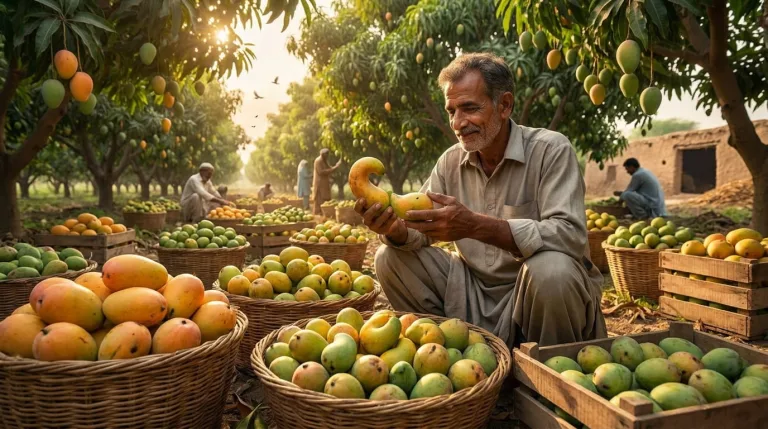
Pakistan and India both claim the mango as their national fruit, which might seem odd until you understand just how deeply this fruit is woven into the culture and economy of both nations. In Pakistan, particularly in regions like Multan, mango growing isn’t just an agricultural activity, it’s a tradition passed down through generations. Farmers here have developed expertise that’s recognized worldwide, producing varieties that command premium prices in international markets.
The Chaunsa mango from Pakistan, for example, is known for its golden color, sweet flavor, and the way it practically melts in your mouth. Sindhri mangoes, another Pakistani variety, have won international recognition for their quality. When a fruit becomes so important to a nation’s identity that it appears on official seals and symbols, that’s a clear sign of how much it means to that culture.
A Single Mango Tree Can Live for Over 300 Years
Imagine planting a mango tree and knowing it could still be producing fruit for your great great grandchildren, your great great grandchildren’s children, and then some. That’s not an exaggeration, some mango trees have been documented living for over 300 years, with one famous tree in India reportedly being around 400 years old and still producing fruit.
This longevity means that a single tree can produce hundreds of tons of mangoes over its lifetime. In some cases, ancient mango trees become landmarks, drawing tourists and locals alike who want to experience the fruit from a tree that’s older than their country. It’s a humbling reminder that we’re part of something much larger than ourselves when we grow these fruits.
Mangoes Contain Compounds That May Help Fight Disease
Modern scientific research has discovered that mangoes contain powerful compounds called polyphenols and mangiferin, which have shown potential in laboratory studies to help fight certain diseases. While it’s important to understand that eating mangoes isn’t a cure for any illness, the research does suggest that regular consumption might offer protective health benefits over time.
The antioxidants in mangoes work by neutralizing harmful molecules called free radicals that can damage cells. Think of it like having tiny bodyguards inside your fruit, protecting your body from the inside out. This is why nutritionists often recommend mangoes as part of a healthy diet, especially during mango season when the fruit is at its most flavorful and nutritious.
You Can Tell If a Mango Is Ready to Eat Without Cutting It Open
Ever wondered how professional fruit vendors know exactly which mangoes are perfectly ripe? They’ve learned to use multiple senses beyond just looking. Gently squeeze a mango, and if it yields slightly to pressure without being mushy, it’s ready to eat. Smell the bottom end, where the stem was, and a ripe mango will release a sweet, fragrant aroma that’s unmistakable.
The color can be misleading though, because mango varieties range from green to yellow to deep red even when fully ripe. This is why squeezing and smelling are better indicators than color alone. Once you learn these tricks, you’ll never waste money on underripe or overripe mangoes again, and you’ll always have a perfectly ready mango waiting for you at home.
Mango Skin Is Actually Related to Poison Ivy
This might sound alarming, but there’s a real connection here. Mangoes belong to the same plant family as cashews and pistachios, and like poison ivy, they contain compounds called urushiols in their skin. For most people, this causes no problem whatsoever, but individuals with severe nut allergies sometimes react to mango skin or sap, though not the flesh of the fruit itself.
This is completely manageable knowledge, not something to fear. If you’ve never had a reaction to mangoes before, you almost certainly won’t develop one later in life. People who do have sensitivity can simply wear gloves while cutting the skin or ask someone else to prepare the mango for them. It’s one of nature’s interesting quirks rather than a real danger for the vast majority of mango eaters.
Mangoes Are Practically Perfect Nutrition in Fruit Form
A single medium mango packs about 165 calories, three grams of fiber, and barely any fat. That same mango gives you over 50 percent of your daily vitamin C needs, which supports your immune system and helps your body absorb iron. You also get about 20 percent of your daily vitamin A requirement, essential for keeping your eyes healthy and your skin clear.
Beyond these main nutrients, mangoes contain B vitamins for energy, potassium for heart health, and copper for metabolism. The fact that one fruit can deliver this entire package of nutrition while tasting like a tropical vacation is pretty remarkable. This is why mango season gets people excited, nutritionally speaking, you’re actually eating something genuinely good for your body.
Mango Varieties Are Like Snowflakes, No Two Are Exactly Alike
There are hundreds of mango varieties grown around the world, and farmers in places like Multan have spent generations developing and perfecting specific types. Some mangoes are fibrous with intense sweetness, perfect for eating fresh. Others are smooth and creamy, almost like custard. Some have thin seeds that leave more flesh to enjoy, while others have large seeds and less fruit.
Regional preferences for mango varieties are strong and deeply personal. Someone from the Multan region might argue passionately that Chaunsa is superior to Anwar Ratol, while someone from another area might have completely different opinions. This diversity is part of what makes mango season exciting, there’s always a new variety to try or a familiar favorite to anticipate.
Discover the Magic of Multan Mangoes for Yourself
Now that you know these fascinating facts about mangoes, you might be curious about experiencing the fruit at its absolute finest. Mangoes from regions like Multan have earned worldwide recognition for their quality, flavor, and the expertise of generations of growers. When you choose mangoes from established sources like Multanfarms.com, you’re not just getting fruit, you’re getting a piece of agricultural history and tradition.
The next time mango season rolls around, remember these facts and appreciate what you’re really holding in your hands. You’ve got 4,000 years of human cultivation, the combined wisdom of generations of farmers, powerful health benefits, and genuine tropical magic all wrapped up in that one delicious fruit.