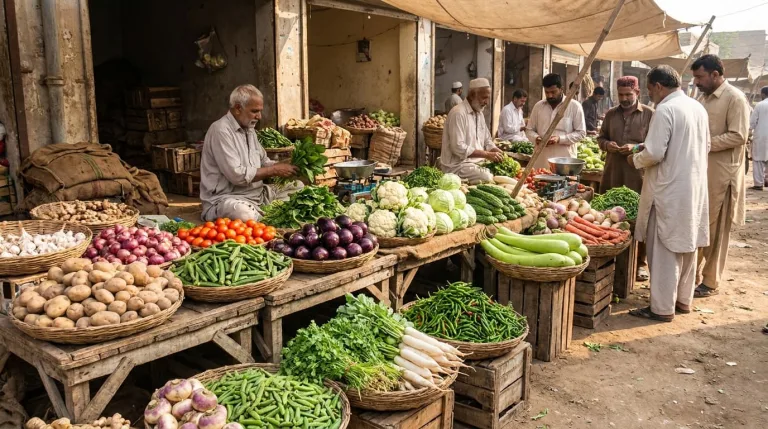
Walk through any sabzi mandi in Pakistan and your senses instantly come alive. There are baskets overflowing with deep purple baingan, bundles of bright green palak, and piles of round, pale tinda stacked higher than your head. Pakistani cuisine is built on vegetables, and knowing their names in both Urdu and English opens up a whole world of cooking, culture, and nutrition.
Whether you’re helping out in the kitchen, visiting a local market, or just curious about what goes into your favourite Pakistani dishes, this guide walks you through the most important Pakistani vegetables names, what they look like, and why they matter. Let’s dig in.
The Everyday Staples You’ll Find in Every Kitchen
Some vegetables appear in Pakistani cooking so often that they’re basically family. These are the ones you’ll spot in almost every household, from Karachi to Khyber.
Aloo, or potato, is probably the most loved vegetable in Pakistan. You’ll find it in aloo gosht, aloo paratha, and dozens of other dishes. It’s starchy, filling, and works with almost any spice combination, which is exactly why Pakistani cooks rely on it so heavily.
Pyaz, or onion, is the foundation of almost every cooked dish in Pakistani cuisine. Before anything else goes into the pot, the pyaz gets fried in oil until golden brown. It adds a deep, sweet flavour that you simply can’t replace with anything else.
Tamatar, or tomato, pairs with onion in nearly every curry base. It brings acidity and colour to a dish, balancing out the richness of the oil and the heat of the spices. Without tamatar, most Pakistani curries would taste flat and incomplete.
Leafy Greens That Pack a Nutritional Punch
Pakistani cuisine has a strong tradition of cooking leafy greens, and these vegetables are as nutritious as they are flavourful.
Palak, or spinach, is one of the most popular leafy greens in Pakistani cooking. Palak gosht and palak paneer are two dishes that have made it famous, but palak also gets added to daal, eggs, and flatbreads. It’s rich in iron and vitamins, making it one of the most nutritious vegetables on this list.
Methi, or fenugreek, has a slightly bitter, earthy taste that sets it apart from other greens. Fresh methi leaves get cooked into sabzis and parathas, while dried methi, called kasuri methi, is used as a spice to finish dishes. If you’ve eaten methi aloo or methi gosht, you already know how distinctive the flavour is.
Sarson, or mustard greens, is the star of one of Pakistan’s most beloved winter dishes, sarson ka saag. Slow-cooked with butter and spices, sarson turns silky and rich in flavour. Served with makki ki roti, it’s the kind of meal that feels like a warm hug on a cold evening.
Gourds and Summer Vegetables
Pakistan grows an impressive variety of gourds, and they’re a major part of the summer vegetable season.
Lauki, or bottle gourd, is a long, pale green vegetable with a mild flavour and high water content. It cooks quickly and absorbs spices beautifully, which makes it a popular choice for simple, everyday sabzis. It’s also considered very easy on the stomach, which is why it often appears in meals for people recovering from illness.
Karela, or bitter gourd, is one of those vegetables that divides people straight down the middle. Its intensely bitter taste isn’t for everyone, but fans of karela love it fried or stuffed with spices. Nutritionally, it’s exceptional and is known for its role in supporting healthy blood sugar levels.
Tinda, or round gourd, is a small, pale green vegetable shaped almost like a tennis ball. It has a soft texture when cooked and soaks up masala wonderfully. Tinda ki sabzi is a classic Pakistani home-cooked dish that many people grew up eating.
Bhindi, or okra, is also called lady finger because of its long, slender shape. It gets sticky when cut and cooked, which is actually what thickens the gravy in many dishes. Fried bhindi is crispy and irresistible, while bhindi in curry has a unique texture that you either love immediately or grow to love over time.
Winter Vegetables That Brighten Cold Months
Winter in Pakistan brings a whole new lineup of vegetables to the market, and these are some of the most nutritious of the year.
Gajar, or carrot, is sweet, crunchy, and endlessly versatile. You’ll find it in vegetable curries, salads, and even in gajar ka halwa, one of Pakistan’s most beloved desserts. Winter gajar from Punjab are famously sweeter and more red than the orange carrots sold at other times of year.
Gobhi covers two closely related vegetables: phool gobhi, or cauliflower, and band gobhi, or cabbage. Both are winter staples that show up in aloo gobhi, stir-fries, and stuffed parathas. They’re mild in flavour and filling, making them a practical choice for large family meals.
Shalgam, or turnip, is a root vegetable with a slightly peppery flavour. It’s often cooked with meat or added to mixed vegetable dishes. Shalgam is particularly popular in Punjab and northern Pakistan during the winter months, when it’s at its freshest and most flavourful.
Matar, or green peas, might be the most cheerful vegetable on this list. Bright green and sweet, they brighten up any dish they go into, from aloo matar to matar pulao. Fresh matar in winter taste far better than anything that comes from a can, and Pakistani cooks know it.
Why Knowing Pakistani Vegetable Names Actually Matters
Understanding the names of vegetables in both Urdu and English gives you a practical skill that goes beyond the kitchen. It helps you navigate markets with confidence, understand recipes more clearly, and appreciate the incredible diversity of Pakistani agriculture. Pakistan grows a remarkable range of vegetables thanks to its varied climates, from the plains of Punjab to the cooler valleys of KPK and Gilgit-Baltistan.
Knowing what you’re eating also helps you make smarter nutritional choices. Each of these vegetables brings something different to the table, and building meals around a variety of them is one of the simplest ways to eat well.
Final Thoughts
Pakistani vegetables names reflect a rich culinary tradition that stretches back centuries. From the everyday pyaz and tamatar that start almost every dish, to the seasonal delights of sarson ka saag and gajar ka halwa, these vegetables are at the core of what makes Pakistani food so deeply satisfying. Next time you’re in the kitchen or at the market, take a moment to notice what’s in front of you and appreciate how much variety Pakistan’s soil has to offer.
For more information on Pakistani agriculture, seasonal produce, and natural food products, visit Multanfarms.com.