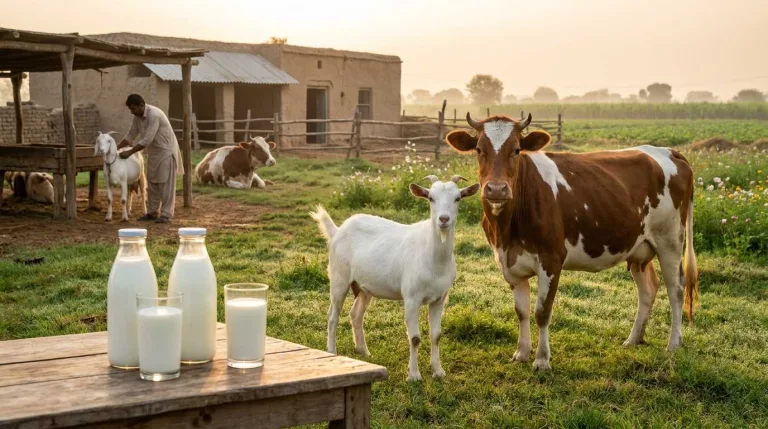
Walk into any traditional Pakistani home and you’ll likely find a glass of doodh on the breakfast table. For most families, that means cow’s milk. But across rural Punjab and Sindh, goat milk has been a staple for centuries, and lately, more and more people are starting to ask why. What’s in this humble drink that keeps it relevant despite the rise of packaged and processed alternatives?
Goat milk has been consumed by humans for thousands of years. In fact, goats were among the first animals domesticated for food, well before cows became the dairy standard we know today. From ancient Mediterranean civilizations to Pakistan’s rural heartlands, people have relied on goats as low-maintenance sources of daily nutrition. Today, goat milk is gaining renewed attention in health-conscious households, and it turns out there are solid reasons for that.
If you’ve ever wondered what makes goat milk different, or whether it’s actually worth trying, this article covers everything you need to know.
What Does Goat Milk Actually Contain?
At first glance, goat milk looks a lot like cow’s milk. It’s white, it’s creamy, and it tastes broadly similar. But look a little closer and the differences start to add up. Goat milk contains slightly higher levels of calcium, potassium, and vitamin A compared to cow’s milk, along with solid amounts of protein and healthy fats. It’s not a magic potion, but it’s genuinely nutritious and holds its own against the competition. One standout feature is its fat composition. The fat globules in goat milk are smaller than those in cow’s milk, which means your body breaks them down more easily. Think of it this way: if cow’s milk fat is like a large boulder your digestive system has to chip apart, goat milk fat is like a pile of pebbles that breaks up almost on its own. This smaller particle size is a big part of why many people find goat milk gentler on the stomach.
Why Is Goat Milk Easier to Digest?
Digestion is where goat milk really earns its reputation. Many people who experience bloating, heaviness, or discomfort after drinking cow’s milk find they can handle goat milk without the same issues. There are a couple of reasons for this, and both are worth understanding. First, goat milk contains less lactose (the natural sugar found in all dairy milk) than cow’s milk. Lactose sensitivity is common across South Asia, and even people with mild intolerance often find goat milk easier to manage. Second, the proteins in goat milk form a softer curd in your stomach compared to the tougher curd formed by cow’s milk proteins. A softer curd means your body can process the milk more quickly and comfortably, with less of the heaviness many people associate with dairy.
The A2 Protein Advantage You’ve Probably Never Heard Of
Here’s something that surprises most people. Not all milk proteins are created equal. Cow’s milk mostly contains a protein called A1 beta-casein, which some research suggests can be harder to digest and may trigger mild inflammation in sensitive individuals. Goat milk, on the other hand, contains predominantly A2 beta-casein, a protein type the body handles considerably more easily. This distinction has become a major talking point in nutrition in recent years. A2 cow’s milk products have started appearing in stores precisely because of this research. Goat milk, however, has always been a natural A2 source, without any special processing or fancy labeling required. For families in Pakistan who keep goats or buy goat milk from local farms, this advantage has been available all along, long before it became a global health trend.
What Goat Milk Does for Your Skin
Goat milk isn’t just a drink. It’s a powerful skincare ingredient too, and this is one area where traditional knowledge and modern science fully agree. Goat milk soap and creams have been used for generations, and the science behind them is straightforward. Goat milk contains lactic acid, a natural compound that gently removes dead skin cells and encourages fresh cell growth. It also has a pH level close to that of human skin, which means it doesn’t disrupt your skin’s natural barrier the way harsh chemical soaps often do. The vitamins A and D in goat milk nourish the skin and help maintain moisture over time. If you’ve ever seen a dadi or nani washing her face with something that looked like homemade soap, there’s a good chance goat milk was part of the recipe.
How Goat Milk Fits into Pakistani Kitchens and Farms
In Pakistan, goats are often called the “poor man’s cow,” but that nickname undersells how valuable these animals truly are. Goats are hardy, require less space and feed than cows, and produce milk consistently even in difficult conditions. In rural areas of Punjab, Sindh, and KPK, goat milk is a daily staple used just as versatilely as cow’s milk. Pakistani families use goat milk to make dahi (yogurt), khoya (dried milk solids used in sweets), and fresh soft cheese. Some households also use it in tea, finding the flavor slightly sweeter and less heavy than the cow’s milk version. Goat milk is particularly valued for feeding young children and elderly family members who struggle with heavier dairy foods. In Multan’s agricultural community, goat farming has long been part of mixed livestock operations, providing both milk and meat for local families throughout the year.
Should You Consider Adding Goat Milk to Your Routine?
You don’t have to make a permanent switch to get something from goat milk. Many people simply incorporate it when they want something easier on digestion, or as an alternative on days when regular milk causes discomfort. It’s also worth trying purely out of curiosity, since the flavor is slightly earthier and creamier than standard cow’s milk, and a lot of people end up preferring it. One practical note: fresh goat milk can be harder to find in city supermarkets, but local farms and rural markets are excellent sources. Fresh, unprocessed goat milk from a clean, well-managed farm is always the best option. If you have access to a trusted livestock farm or a local market that sources directly from farmers, fresh goat milk is absolutely worth picking up and tasting at least once.
A Traditional Staple That Science Is Finally Catching Up With
Goat milk has been part of human diets for longer than recorded history, and it’s easy to see why it has never gone away. It’s nutritious, gentle on the digestive system, rich in skin-friendly compounds, and deeply woven into Pakistan’s food and farming culture. Whether you’re looking for a dairy option that sits more comfortably, exploring traditional foods with proven roots, or simply curious about what else exists beyond packaged cow’s milk, goat milk deserves a proper look. Next time you visit a farm or a local livestock market, ask about fresh goat milk and give it a try. You might find that this ancient staple has exactly what your diet has been missing. Visit Multanfarms.com to explore more about Pakistani farming traditions, livestock, and natural food products straight from the source.