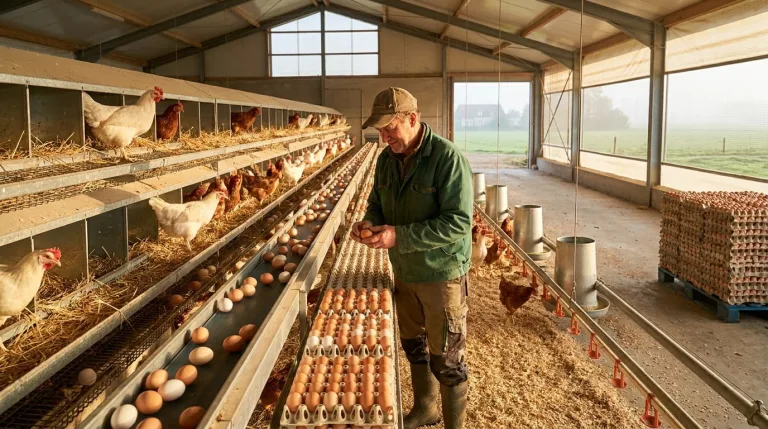
Think about the last time you cracked an egg into a pan. That simple act, something millions of people do every morning, starts with a remarkable system called layer egg farming. Without it, your omelet, your cake batter, and your boiled egg at breakfast simply wouldn’t exist in the way you know them. So where do all those eggs actually come from, and what goes into producing them?
Layer egg farming is one of the most important branches of poultry agriculture in Pakistan and around the world. It involves raising hens specifically for egg production, not for meat, and managing them in a way that keeps them healthy, productive, and consistent. Once you understand how it works, you’ll never look at an egg carton the same way again.
What Are Layer Hens, and How Are They Different from Other Chickens?
Not every chicken you see is laying eggs for your kitchen. Layer hens are a specially bred type of chicken whose entire biology is tuned toward producing eggs. They’re different from broiler chickens, which are raised purely for meat. A good layer hen can produce roughly 250 to 300 eggs per year, which works out to almost one egg every single day for most of her productive life. These hens are typically lighter in body weight than broiler chickens because their energy goes into egg production rather than muscle growth. The most commonly used breeds in Pakistan include Lohmann Brown and Hy-Line varieties, both known for strong egg output and good adaptability to local climate conditions. Think of it like choosing the right tool for a specific job, you wouldn’t use a hammer to tighten a screw.
How Does a Layer Farm Actually Work?
A layer farm operates in carefully managed stages. It starts with chicks, usually purchased from a hatchery at just one day old. These chicks are raised in a brooder house for the first few weeks where temperature, light, and feed are controlled closely to help them grow strong. This early stage is like the foundation of a building, if you get it right, everything that comes after goes smoothly. Once the pullets, young hens not yet laying, reach around 18 to 20 weeks of age, they’re moved into laying houses. This is where the real operation begins. The hens are kept in a controlled environment with carefully managed lighting schedules, because light exposure directly triggers egg production. Farmers often use artificial lighting to extend the “day” and keep hens laying consistently throughout the year.
What Do Layer Hens Eat, and Why Does It Matter?
Feed is everything in layer egg farming. Layer feed is specially formulated to give hens the exact nutrients they need to produce eggs regularly without burning out. It’s high in calcium, which is what the eggshell is made of, and contains the right balance of protein, vitamins, and minerals to keep each hen healthy and productive. A laying hen eats roughly 110 to 120 grams of feed per day. That might not sound like much, but when you multiply it across thousands of birds on a farm, feed becomes the single biggest cost in the entire operation. Farmers who get feed management right see better egg weight, stronger shells, and fewer health issues across their flocks. Poor nutrition, on the other hand, leads to thin-shelled eggs, reduced laying frequency, and sick hens.
Housing Systems: How Are Layer Hens Kept?
There are different ways to house layer hens, and the system a farmer chooses affects everything from egg output to bird welfare. The two most common systems in Pakistan are cage housing and open shed housing. In cage housing, hens are kept in wire cages arranged in rows inside climate-controlled sheds. This system makes it easier to collect eggs, manage waste, and monitor individual birds. In open shed housing, hens move freely inside a large shed with litter on the ground. This system requires more space and careful management but is often considered more natural for the birds. Both systems have their pros and cons, and the right choice depends on farm size, budget, and what the market demands.
What Are the Common Challenges in Layer Egg Farming?
Like any farming operation, layer egg farming comes with real challenges. Disease management sits at the top of the list. Hens living in close proximity can spread infections quickly, which is why vaccination programs and biosecurity measures are essential on any serious farm. Newcastle disease and avian influenza are two of the most serious threats farmers watch out for at all times. Heat stress is another major issue, especially in a city like Multan where summers can be genuinely brutal. When hens get too hot, they eat less, drink more water, and produce fewer eggs. Farmers use fans, foggers, and proper ventilation to keep temperatures manageable inside sheds. Egg quality can also shift as hens age, since older birds tend to produce larger but sometimes thinner-shelled eggs, so flock replacement cycles need to be planned carefully in advance.
Why Layer Egg Farming Matters for Families and the Economy
Eggs are one of the most affordable and complete sources of protein available to Pakistani families. A single egg contains around 6 grams of high-quality protein, along with essential vitamins like B12 and D. For households watching their food budget, eggs offer remarkable nutritional value at a very reasonable cost. Layer egg farming also plays a significant role in Pakistan’s agricultural economy. It creates jobs across the entire supply chain, from feed mills and hatcheries to transport, packaging, and retail. In Punjab alone, thousands of families depend directly or indirectly on the poultry and egg industry for their livelihoods. When layer farming is done well, everyone benefits, from the farmer to the consumer opening that carton at the grocery store.
The Egg on Your Plate Has a Story Behind It
Layer egg farming is far more than just chickens in a shed. It’s a carefully managed science that combines animal nutrition, housing design, disease control, and business sense to deliver one of the world’s most essential foods to your table every single day. From the day-old chick in the brooder house to the egg in your frying pan, an enormous amount of knowledge and effort goes into that simple breakfast item. The next time you crack open an egg, you’re seeing the result of a well-run agricultural system at work. If you want to learn more about poultry farming, natural foods, and agricultural best practices rooted in Pakistan’s rich farming heritage, visit Multanfarms.com for resources you can actually use.