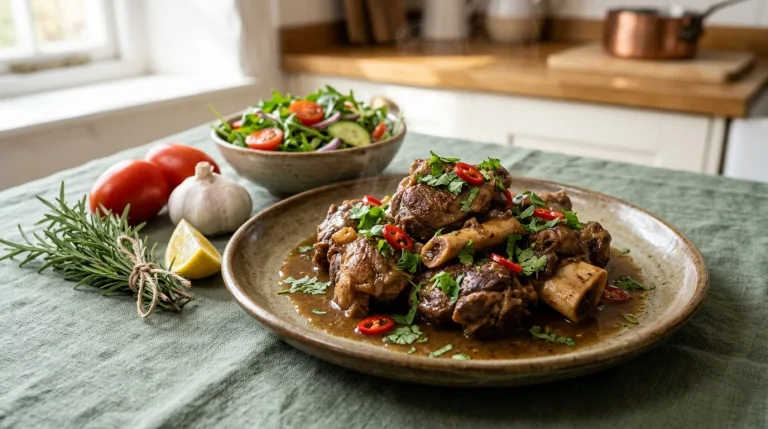
Goat meat has been feeding families across South Asia, the Middle East, and Africa for thousands of years. Yet somehow, it still gets overlooked in conversations about healthy protein. If you’ve ever wondered whether the goat karahi your mother makes is actually good for you, the answer might surprise you.
Goat meat, also known as mutton in Pakistani and South Asian households, is one of the leanest red meats available anywhere in the world. It’s packed with nutrients your body genuinely needs, and it comes with far fewer of the drawbacks associated with other red meats. By the end of this article, you’ll have a clear picture of exactly why goat meat deserves a bigger place on your plate.
A Protein Powerhouse in Every Bite
When it comes to building and repairing the body, protein does the heavy lifting. Every muscle, every enzyme, every strand of hair depends on it. Goat meat delivers around 27 grams of high-quality protein per 100-gram serving, making it comparable to chicken breast in that department.
What sets it apart is how it delivers that protein. Goat meat is naturally lean, meaning it carries significantly less total fat than beef or lamb. A 100-gram serving of cooked goat meat contains around 3 grams of fat, compared to beef’s 7 to 9 grams for a similar cut. If you’re trying to build a diet that supports muscle without packing in unnecessary fat, goat meat is a practical choice.
Lower in Fat, But Higher in Flavour
One of the biggest misconceptions about goat meat is that low fat means low taste. That couldn’t be further from the truth. The fat that goat meat does contain is distributed in a way that keeps the meat tender and full of flavour, especially when slow-cooked in traditional preparations like karahi or nihari.
Saturated fat is the type most linked to cardiovascular problems when consumed in excess. Goat meat contains less saturated fat than beef, pork, and even lamb, which is meaningful if heart health is a concern in your household. It also contains unsaturated fats, the kind that actually support healthy cholesterol levels rather than harming them. You get taste and nutritional benefit at the same time.
Iron and the Fight Against Fatigue
Feeling tired all the time? Iron deficiency is one of the most common nutritional problems in Pakistan, particularly among women and children. Iron from animal sources, called heme iron, is absorbed by the body far more efficiently than plant-based iron from lentils or spinach.
Goat meat is a rich source of heme iron, providing around 3.7 milligrams per 100 grams. This helps your body produce haemoglobin, the protein in red blood cells that carries oxygen from your lungs to every part of your body. Eating goat meat regularly can make a real difference for anyone dealing with anaemia or chronic fatigue caused by low iron levels.
Vitamins and Minerals That Do Real Work
Beyond protein and iron, goat meat comes loaded with a range of vitamins and minerals that support daily bodily functions. Vitamin B12 is one of the most important, found almost exclusively in animal products. B12 is essential for nerve function, DNA production, and the formation of red blood cells, and a single serving of goat meat covers a substantial portion of your daily requirement.
Zinc is another standout, playing a central role in immune function, wound healing, and hormone production. Phosphorus works alongside calcium to keep bones and teeth strong. Potassium helps regulate blood pressure, which is increasingly relevant given how common hypertension is in the region. Together, these nutrients make goat meat far more than just a source of protein.
Goat Meat and Heart Health: A Better Choice Than You Think
There’s a widespread assumption that all red meat is bad for the heart. The research tells a more nuanced story. When compared to other red meats, goat meat consistently comes out ahead on the metrics that matter most, including total fat content, saturated fat levels, and cholesterol.
Cholesterol in goat meat sits at roughly 75 milligrams per 100-gram serving, lower than beef and comparable to chicken. Combined with its lower saturated fat content, this makes goat meat a more heart-friendly option within the red meat category. The key, as with most foods, is portion size and preparation. A slow-cooked goat karahi made with fresh tomatoes and minimal oil is a very different meal from deep-fried snacks or processed meats.
Traditional Wisdom Backed by Modern Nutrition
Cultures across the world have known for generations that goat meat is nourishing, sustaining, and good for the body. In Pakistan, it has long been associated with recovery, strength, and celebration. What’s interesting is that modern nutritional science backs up much of this traditional wisdom.
Goat meat is also easier on the digestive system for many people compared to beef or lamb. Its muscle fibre structure is slightly different, and its fat composition means it doesn’t sit as heavily after a meal. For people who find rich beef dishes difficult to digest, goat meat often works as a more comfortable alternative without sacrificing nutritional value.
How to Get the Most Out of Goat Meat
The way you prepare goat meat matters almost as much as the meat itself. Slow cooking over low heat breaks down connective tissue and keeps the meat tender without needing large amounts of added fat. Pairing goat meat with vegetables rich in Vitamin C, like tomatoes, bell peppers, or fresh coriander, also boosts iron absorption significantly.
Choosing naturally raised goat meat from trusted farms makes a difference too. Animals raised on open pasture tend to have a better omega-3 to omega-6 fat ratio, which is associated with lower inflammation in the body. Knowing where your meat comes from and how the animal was raised is not just a quality concern. It’s a health decision.
Goat Meat Belongs on Your Table
Goat meat is one of the most nutritionally complete foods you can include in a balanced diet. It delivers high-quality protein, essential vitamins and minerals, and a fat profile that’s genuinely better than most other red meats available. It’s deeply rooted in the culinary traditions of this region, and now you know exactly why those traditions have held strong for so long.
The next time you’re planning a meal or visiting a market, consider the goat meat in front of you not just as a flavour choice, but as a health choice. For fresh, naturally raised goat meat and more trusted farm produce, visit Multanfarms.com.