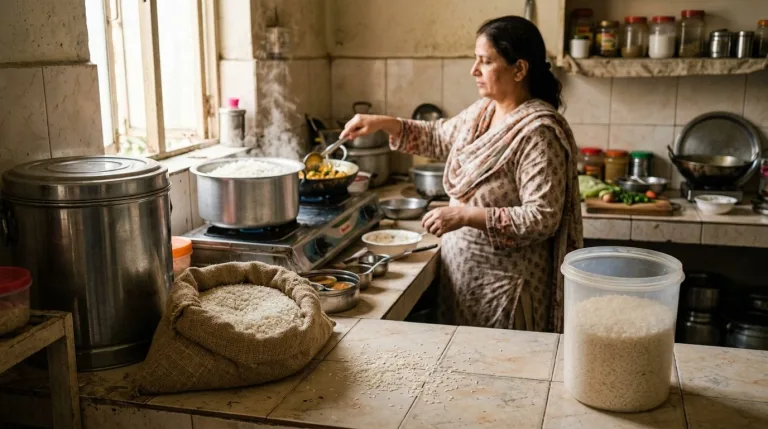
Walk into any Pakistani home at dinner time and you’ll smell it before you see it, the warm, starchy cloud rising from a pot of freshly cooked rice. Chawal is not just a food in Pakistan; it’s a feeling. It’s comfort on a cold night, the base of a Sunday biryani, the quiet companion to a bowl of daal. And when it comes to buying rice for home, most families reach for the same thing: a 2 kg chawal pack.
But why 2 kg? Why not 5 kg or 1 kg? And what should you look for when picking rice off a shelf or ordering it online? Whether you’re a home cook or someone who just wants the best value for their kitchen, this article breaks it all down.
The Role of Chawal in Pakistani Food Culture
Rice has been a staple crop across South Asia for thousands of years, and Pakistan’s relationship with it runs deep. From the fertile plains of Punjab to the rice paddies of Sindh, chawal is grown across the country in enormous quantities. Pakistan is actually one of the world’s top rice exporters, sending millions of tonnes of Basmati and other varieties to countries across the globe every year.
At home, though, rice plays a different role. It’s practical, affordable, and incredibly versatile. You can cook it plain, cook it in broth, layer it with spiced meat for a biryani, or stir-fry it with vegetables the next morning. Few ingredients carry this kind of range. Chawal doesn’t compete with other foods; it simply holds everything together.
Why 2 kg Is the Sweet Spot for Most Households
Here’s something interesting: the 2 kg size isn’t just a random packaging choice. It matches the actual consumption patterns of a medium-sized Pakistani family.
A standard serving of cooked rice requires roughly 60 to 80 grams of uncooked rice per person. For a family of four eating rice twice a week, a 2 kg chawal pack lasts comfortably for about two weeks. That’s long enough to stay fresh in a sealed container, but short enough that you’re not storing rice for months and risking staleness or pests.
The 2 kg pack also makes economic sense. It’s affordable as a single purchase, easy to carry home, and doesn’t require the large storage bins that a 10 kg or 25 kg sack demands. For urban families in cities like Multan, Lahore, or Karachi, where kitchen storage space is limited, a 2 kg bag is simply the most practical choice.
What Type of Rice Is in That 2 kg Pack?
Not all chawal is the same, and this is where most buyers make uninformed decisions. The type of rice inside that 2 kg pack matters enormously for taste, cooking time, and the final texture of your dish.
Basmati rice is the most prized variety in Pakistan. It has long, slender grains that elongate further during cooking, a fragrant aroma, and a light, fluffy texture when properly prepared. It’s the go-to choice for biryani, pulao, and any dish where the rice needs to hold its shape. Pakistan’s Basmati, especially from Punjab, is considered among the finest in the world.
Sella rice, or parboiled rice, is another popular option. The grains are partially cooked before milling, which makes them firmer, less sticky, and much harder to overcook. Many families prefer sella for everyday use because it’s forgiving in the pot. Even if you forget it for a few extra minutes, it doesn’t turn to mush.
Irri rice, sometimes called short-grain or local rice, is a more affordable variety with smaller, stubbier grains. It cooks softer and stickier, which makes it ideal for dishes like khichdi or rice porridge. It’s widely consumed across Sindh and parts of rural Punjab.
What to Check Before You Buy 2 kg Chawal
Buying rice sounds simple, but there are a few things worth paying attention to before you hand over your money.
Grain uniformity is one of the first signs of quality. Good-quality rice should have grains that are roughly the same size, same colour, and free from broken pieces. A high percentage of broken grains means the rice was either poorly milled or handled carelessly, and it will turn out sticky and uneven when cooked.
Colour and clarity also matter. White rice should look bright and clean, not dull or yellowish. A yellowish tint often means the rice was stored improperly or has been sitting in a warehouse for too long. For aged Basmati, a slight cream tone is normal and even desirable, since older rice tends to cook drier and more separate.
Aroma is your final test. Good Basmati rice has a distinctive, nutty fragrance even before cooking. If the rice smells flat or musty, that’s a warning sign. Open the pack if you can, or trust a brand with a clear sourcing story behind it.
How Chawal Goes From Field to Your Kitchen
Rice farming in Pakistan begins with the monsoon season. Fields are flooded and young seedlings are transplanted by hand into that flooded soil, where they take 120 to 150 days to mature. By October and November, the paddies turn golden and harvesting begins.
After harvesting, the rice is milled to remove the outer husk, dried, sorted, and graded by grain size before packing. For Basmati varieties, there’s often an additional ageing step, since rice stored for one to two years cooks drier and more separate, a detail serious cooks in Multan have known for generations.
Getting the Best From Your 2 kg Chawal at Home
Cooking rice well is a skill, and it starts before the water even boils. Washing your rice is essential, not optional. Rinsing removes excess surface starch, which is the main reason rice turns sticky and clumped. Wash until the water runs mostly clear, usually three to four rinses.
Soaking for 20 to 30 minutes before cooking allows the grains to absorb water evenly, so they cook uniformly and the outer surface doesn’t split before the inside is done. Soaked Basmati also elongates more beautifully, which is a big part of the joy of a good biryani. For stovetop cooking, use roughly 1.5 cups of water per cup of rice, bring to a boil, then reduce to the lowest flame and steam covered for 15 minutes.
Why Buying From a Trusted Source Matters
With so much rice flooding the market, quality can vary wildly between vendors. Some packs are mislabelled, mixing lower-grade grains with Basmati, while others are sold in poorly sealed packaging that lets moisture in.
When you buy 2 kg chawal from a source with a clear agricultural background, you’re paying for consistency. You know what variety you’re getting, how it was handled, and what to expect in the pot. That reliability is worth more than a rupee saved on a bag that disappoints you at dinner.
Whether you’re feeding a family of four on a Tuesday night or preparing a pot of biryani for guests on Eid, 2 kg chawal is one of the simplest, most dependable purchases you’ll make. Choose the right variety, wash it well, and it’ll take care of the rest. Browse fresh, quality rice options at Multanfarms.com and find the pack that belongs in your kitchen.