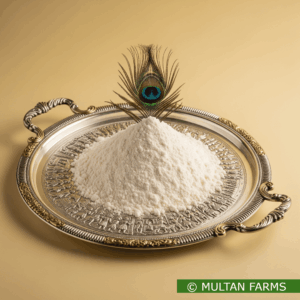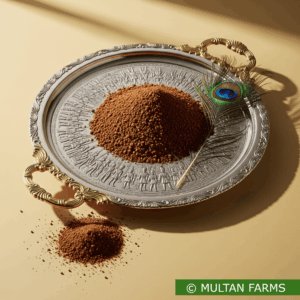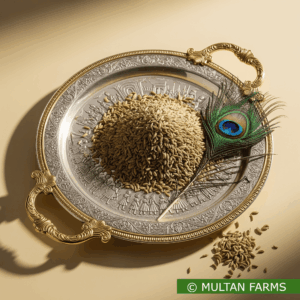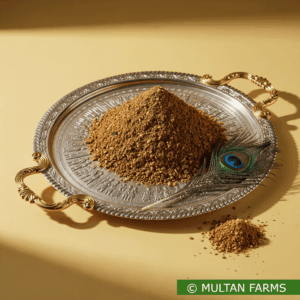
You’ve almost certainly eaten ajwain without even realising it. It’s in the naan your mother makes, it’s stirred into the daal your grandmother swears cures everything, and it’s in that tiny bowl of seeds brought out after a heavy meal at a dawat. Yet most people walk past it at the spice shop without giving it a second thought. That small, ridged, greyish seed called ajwain deserves far more attention than it gets.
Ajwain, also known as carom seeds internationally, is one of the oldest and most versatile spices in the South Asian kitchen. It’s been used for thousands of years, not just for the sharp, pungent kick it adds to food, but for a list of medicinal uses that would impress any doctor. Once you understand what ajwain actually is, where it comes from, and how it works, you’ll never look at your paratha the same way again.
What Exactly Is Ajwain?
Ajwain comes from the plant Trachyspermum ammi, a small annual herb that belongs to the same family as cumin, coriander, and fennel. If you’ve ever seen the white, umbrella-shaped flower clusters of a carrot plant or Queen Anne’s lace, ajwain flowers look almost identical. The seeds themselves are tiny, oval, ridged, and carry a smell that’s immediately recognisable, sharp, herby, and slightly medicinal, because of a compound called thymol.
Thymol is the key player in ajwain, and it’s the same compound found in thyme, the herb used widely in Mediterranean cooking. This is why ajwain and thyme smell remarkably similar even though they’re completely different plants. Thymol is also used in antiseptic mouthwashes and disinfectants, which gives you an idea of just how potent a single ajwain seed really is.
Where Does Ajwain Grow in Pakistan?
Pakistan is one of the world’s leading producers of ajwain, with cultivation concentrated mainly in Punjab and Sindh. The plant thrives in the dry, sunny conditions found across these regions and is particularly well-suited to areas with low rainfall and warm winters. Rajasthan in India, across the border, is the other major growing belt, and the two regions share very similar soil and climate profiles.
Ajwain is a rabi crop, meaning it’s planted in the cool months of October and November after the monsoon season has ended. The plants grow steadily through the winter and produce their flower clusters by late February and March. Harvest happens between March and April, once the seed heads have dried out and the seeds have shifted from green to a greyish-brown colour. The entire growing cycle, from seed to harvest, takes about four to five months.
How Does the Ajwain Plant Actually Grow?
The ajwain plant is modest in size, reaching about 60 to 90 centimetres in height, with feathery, divided leaves that look almost lacy. It needs full sunlight and well-drained soil to do well. One of its great advantages as a crop is its drought tolerance, once the seedlings are established, the plant handles dry spells far better than many other spice crops, which makes it ideal for parts of Pakistan that don’t receive consistent irrigation.
Farmers sow ajwain seeds directly into prepared beds, and the seedlings emerge within one to two weeks. The plants are thinned out as they grow to give each one enough space to branch out and produce good flower clusters. Minimal fertiliser is needed if the soil has decent organic content, and the crop is relatively resistant to pests, which keeps production costs low for smallholder farmers.
Why Does Pakistani Cooking Rely on Ajwain So Heavily?
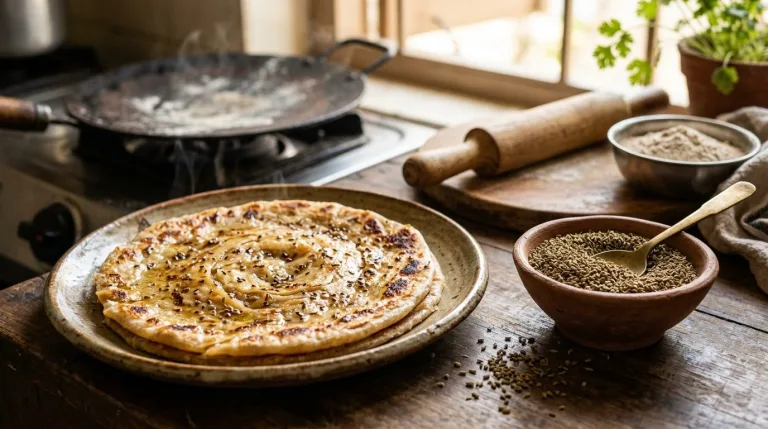
The short answer is flavour and function. Ajwain brings a bold, almost electric sharpness to food that no other spice fully replicates. Parathas and puris get their distinctive aroma from a pinch of ajwain worked into the dough. Fish dishes in Punjabi and Sindhi cooking are often marinated with ajwain because the thymol compounds help neutralise the raw smell of the fish while adding depth of flavour.
Beyond taste, ajwain has a long history as a digestive aid. That’s not folk belief, it’s chemistry. Thymol stimulates the secretion of gastric juices, which helps the stomach process heavy, oily, or spicy food more efficiently. This is exactly why ajwain seeds are served after large meals at dawats, and why your elder relatives reach for ajwain water when they feel bloated or uncomfortable after eating. The seed is essentially doing a quiet, useful job in your digestive system every time you consume it.
The Medicinal Side of Ajwain Most People Don’t Know About
Ajwain’s uses go well beyond the kitchen. Across Pakistan and the broader subcontinent, it’s been used for generations to treat common colds, particularly in children. A simple remedy involves roasting ajwain seeds in a cloth and inhaling the steam, which helps clear nasal congestion quickly. The thymol vapour acts as a natural decongestant, loosening mucus and making breathing easier.
Ajwain water, made by soaking the seeds overnight or boiling them briefly, is a trusted home remedy for gas, acidity, and indigestion. It’s also traditionally given to new mothers in the weeks following childbirth to support recovery and digestion. Modern research into ajwain’s antimicrobial, antifungal, and anti-inflammatory properties has confirmed that many of these traditional uses have a solid scientific basis, making ajwain a genuinely impressive little seed.
How to Store Ajwain and Keep It Fresh
Ajwain loses its potency quickly when exposed to air, light, and heat. The thymol that gives it its power is a volatile compound, meaning it evaporates over time. Storing ajwain in an airtight glass jar, away from the stove and direct sunlight, keeps it fragrant and effective for up to a year. Buying whole seeds and grinding them fresh as needed gives you far more flavour than reaching for pre-ground ajwain powder.
If your ajwain smells faint or dull when you open the jar, it’s time to replace it. Fresh ajwain has an almost piercing aroma that hits you the moment you open the container. That intensity is what you want in your food and in any home remedy you’re making.
Ajwain Is Doing More Than You Realised
There aren’t many ingredients that earn a permanent place in both the kitchen and the medicine cabinet. Ajwain is one of them. From the fields of Punjab and Sindh to your breakfast paratha and your after-dinner routine, this small seed has a presence in Pakistani life that goes far beyond its size.
Understanding where your food comes from and why it works the way it does makes you a more informed cook and a more curious person. For more stories about the spices, crops, and traditional ingredients that define Pakistani food culture, visit Multanfarms.com and keep exploring.