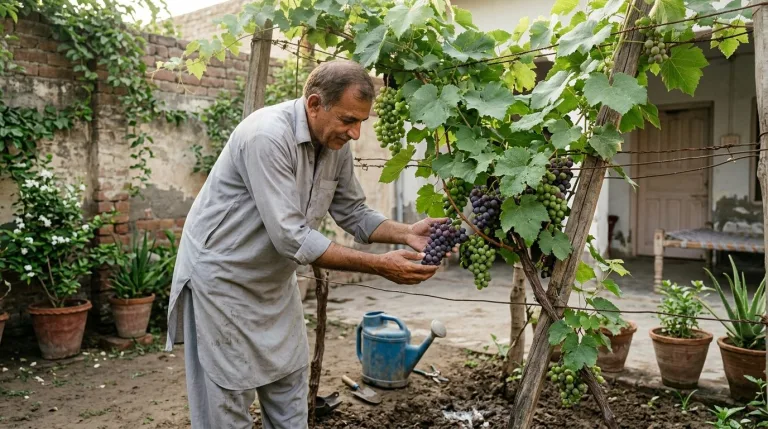
Have you ever popped a sweet, juicy grape into your mouth and wondered where it came from? Maybe you picked it up from a fruit stall or grabbed a bunch from the kitchen. But here’s something cool: you can actually grow grapes right at home, in a grapes garden of your very own!
A grapes garden is simply a space where grape vines are planted and cared for. It can be a big farm or just a few vines climbing a wall in your backyard. The best part? Once a grape vine settles in, it can give you fruit for many years. That’s like planting one seed of effort and getting snacks for decades!
In this article, you’ll learn what grape vines need to grow, how to plant them, how to care for them, and how to know when the grapes are ready to eat. Let’s dig in!
Why Grapes Make a Great Garden Plant
Grapes are one of the oldest fruits that people have grown. Farmers have been planting them for thousands of years, and they’re enjoyed fresh, dried as raisins, and even turned into juice.
Here’s what makes them so special:
- They climb: Grape vines love to grow upward, so they don’t need much ground space.
- They live long: A healthy vine can produce fruit for 20 years or more.
- They give shade: A vine growing over a frame makes a cool, leafy roof on hot days.
Think of a grape vine like a friendly climbing buddy. Give it something to hold onto, and it will happily stretch toward the sun.
What Grapes Need to Grow
Just like you need food, water, and sleep to feel your best, grape vines have their own list of needs. Let’s look at the big ones.
Sunshine: Grapes are real sun lovers. They need around 7 to 8 hours of direct sunlight every day. Sunlight is what makes the grapes sweet. More sun means sweeter fruit!
Good soil: Grapes like soil that drains well. If water sits around the roots for too long, the roots can rot. Sandy loam soil, which is a light mix of sand, silt, and clay, works really well. Picture a sponge that holds some water but lets the extra drip away. That’s the kind of soil grapes enjoy.
Warm weather: Most grape varieties love warm, dry summers. That’s one reason regions with plenty of sunshine, like parts of South Punjab, can be great places for fruit growing.
Space: Vines need room for air to move around them. Air flow keeps the leaves dry and helps stop diseases from spreading.
How to Plant Your Grape Vines
Ready to get your hands dirty? Here’s a simple step-by-step plan:
- Pick the right spot. Choose a place with lots of sun and no standing water.
- Prepare the soil. Loosen it up and mix in some compost. Compost is old plant material that has broken down into rich, natural plant food.
- Plant a cutting or young vine. A cutting is a small piece of a healthy vine that can grow roots. Dig a hole big enough for the roots to spread out.
- Add support. Set up a trellis, which is a frame made of wood, wire, or metal that vines can climb. Think of it as a ladder for your plant.
- Water gently. Give the new vine a good drink right after planting.
Spring is usually a great time to plant, because the weather is warming up and the vine has plenty of time to settle in.
Taking Care of Your Grapes Garden
Planting is just the beginning. Looking after your vines is where the real fun happens.
Watering: Young vines need regular water so their roots can grow deep. Older vines are tougher, but they still need a drink during dry spells. Water at the base of the plant instead of splashing the leaves.
Pruning: This one surprises a lot of people. Pruning means cutting back parts of the vine. It might feel like you’re hurting the plant, but it’s actually like getting a haircut. Trimming old branches helps the vine put its energy into making bigger, tastier grapes instead of too many leaves.
Watching for pests: Birds, insects, and fungus can sneak in and nibble your crop. Check your leaves often. If you spot spots, holes, or a white powdery coating, tell an adult so you can deal with it early. Covering ripe bunches with light netting is a clever way to keep hungry birds away.
Feeding: A little compost or natural fertilizer each season keeps your vines strong, a bit like eating a healthy breakfast.
Be Patient: Grapes Take Time
Here’s the tricky part. Grape vines don’t give fruit right away. Most vines take about two to three years before you get a good harvest. During that time, they’re busy building strong roots and a sturdy frame.
Did you know that a single grape vine can grow several meters in one season? That’s taller than most classrooms! So even if you don’t see grapes yet, your vine is working hard behind the scenes.
Waiting is a lot like training for a sports match. You don’t see results after one practice, but every day of effort adds up.
How to Know When Grapes Are Ready
Unlike some fruits, grapes don’t keep ripening after they’re picked. So you need to wait until they’re perfectly ready on the vine.
Here are some signs to look for:
- The color is deep and even, whether green, red, or purple.
- The grapes feel slightly soft when you gently squeeze them.
- The stem near the bunch starts to turn brown.
- Most importantly, they taste sweet! Pick one and try it.
When you’re ready, snip the whole bunch off with clean scissors. Pulling can damage the vine.
Why a Grapes Garden Is Worth It
Growing grapes teaches you patience, care, and how nature really works. You get shade, fresh fruit, and the proud feeling of saying, “I grew that myself!” Plus, a grapes garden is a wonderful way to spend time outdoors and learn from the plants around you.
So, are you ready to start your very own grapes garden? Maybe all it takes is one small vine and a sunny corner. What would you do with your first bunch of homegrown grapes?