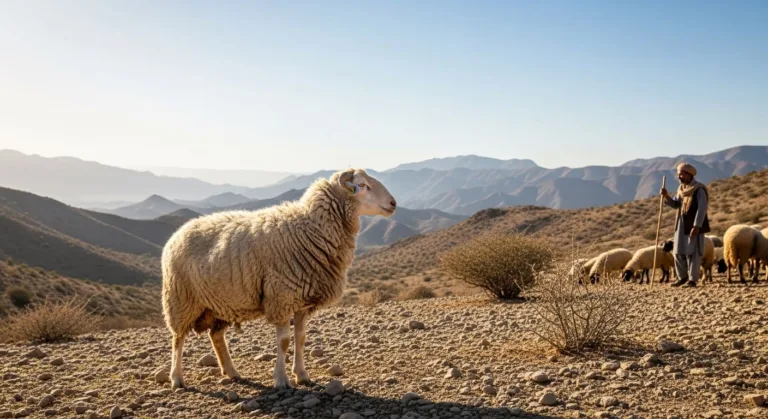
Imagine wearing the softest, warmest sweater you’ve ever felt, one that keeps you cozy in winter but somehow doesn’t make you overheat. Chances are, that amazing sweater is made from merino wool! Merino sheep produce some of the finest, most luxurious wool in the world, and they’ve been prized by farmers and fashion lovers for centuries. But here’s the surprising part: these special sheep, which originally came from Spain and love cooler climates, are now being raised right here in Pakistan!
You might be thinking, “Wait, Pakistan? Isn’t it super hot there?” You’re absolutely right to be confused. Pakistan is known for its scorching summers and generally warm weather, which seems like the last place you’d want to raise sheep that prefer cool temperatures. Yet farmers across Pakistan, including innovative operations like Multanfarms.com, are finding ways to successfully raise merino sheep despite the climate challenges.
In this article, we’ll explore the fascinating story of merino sheep in Pakistan. You’ll discover what makes these sheep so special, why Pakistani farmers are interested in raising them, the challenges they face, and how modern farming techniques are making the impossible possible. Get ready to learn about an agricultural adventure that’s changing Pakistan’s farming landscape!
What Makes Merino Sheep So Special?
Before we dive into the Pakistan story, let’s talk about why merino sheep are such a big deal in the first place. These aren’t your average, run-of-the-mill sheep!
Merino sheep produce the finest wool of any sheep breed. Their wool fibers are incredibly thin, usually between 11 to 24 microns in diameter. To give you an idea of how small that is, a human hair is about 75 microns thick! This super-fine wool feels soft against your skin instead of itchy and scratchy like regular wool. It’s like comparing a fluffy cloud to a scratchy dish sponge.
The wool from merino sheep has some almost magical properties. It’s naturally breathable, which means it keeps you warm in winter but doesn’t make you sweat when temperatures rise a bit. It also wicks moisture away from your skin, resists odors (yes, really!), and is naturally elastic so clothes made from it don’t lose their shape. Athletes love merino wool base layers because they can wear them for days without them getting stinky!
Merino sheep originally come from Spain, where they were so valuable that exporting them was actually illegal for a long time. Eventually, they spread to Australia and New Zealand, which now have the largest merino sheep populations in the world. These countries have cooler climates that merino sheep absolutely love, with temperatures that rarely get too extreme in either direction.
Why Would Pakistani Farmers Want Merino Sheep?
You might be wondering why Pakistani farmers would even bother trying to raise merino sheep when there are other breeds better suited to the local climate. The answer comes down to economics and opportunity.
The global demand for merino wool is huge, and it commands premium prices. A kilogram of regular sheep wool might sell for a few dollars, but high-quality merino wool can sell for ten times that amount or more! For farmers looking to increase their income, that’s an incredibly attractive opportunity. It’s like the difference between selling regular apples versus rare, exotic fruit that everyone wants.
Pakistan already has a strong tradition of sheep farming, with local breeds like the Kajli, Lohi, and Balkhi sheep being raised primarily for meat and regular wool. These breeds are well-adapted to Pakistan’s climate, but their wool isn’t as valuable. By introducing merino genetics into their flocks, farmers can potentially produce higher-quality wool while still maintaining animals that can survive in local conditions.
Pakistan’s textile industry is another important factor. The country has a massive clothing and textile manufacturing sector that exports products all over the world. Having a local source of premium merino wool could help Pakistani textile companies create higher-value products without having to import expensive wool from Australia or New Zealand. It’s about building the whole supply chain right at home.
Farms like Multanfarms.com see this as an opportunity to lead innovation in Pakistani agriculture, showing other farmers what’s possible with the right knowledge and techniques.
The Big Climate Challenge
Here’s where things get tricky. Merino sheep evolved in cooler climates and they really, really don’t like extreme heat. Pakistan, especially in areas like Punjab and Sindh, can see summer temperatures soar above 104°F (40°C) or even higher. That’s about as far from ideal merino weather as you can get!
Heat stress is a serious problem for merino sheep. When these woolly animals get too hot, they can stop eating, produce less wool, become more susceptible to diseases, and in extreme cases, even die. Imagine wearing a thick wool coat in the middle of summer and not being able to take it off. That’s basically what life is like for a merino sheep in a Pakistani summer!
The good news is that Pakistan isn’t uniformly hot everywhere. The northern areas, including parts of Khyber Pakhtunkhwa and the mountainous regions, have much cooler climates that are closer to what merino sheep prefer. Some areas even get cold winters with snow, which merinos handle beautifully.
This means Pakistani farmers have to be really strategic about where they raise merino sheep and how they manage them. It’s not impossible, but it requires dedication, investment, and some creative problem-solving.
Smart Solutions for Hot Weather Sheep Farming
So how are Pakistani farmers actually making this work? They’re using a combination of traditional wisdom and modern technology to create environments where merino sheep can survive and thrive.
Location, location, location is the first key. Many successful merino operations in Pakistan are in the cooler northern regions where temperatures stay more moderate. Some farmers in hotter areas are creating special microclimates using shade structures, proper ventilation, and even cooling systems during the worst of summer.
Crossbreeding programs are another important strategy. Instead of raising pure merino sheep, some farmers are creating crosses between merinos and hardy local breeds. The result is sheep that have some of the fine wool qualities of merinos but with better heat tolerance from local genetics. It’s like getting the best of both worlds!
Modern farmers are also using technology to monitor their flocks. Temperature sensors, automated watering systems, and climate-controlled barns help keep sheep comfortable even when outside temperatures soar. Some operations use sprinkler systems to cool down sheep during the hottest parts of the day, kind of like the misting fans you might see at outdoor restaurants.
Shearing schedules are carefully planned too. Farmers shear their merino sheep before the hottest months arrive, removing that heavy wool coat so the animals can stay cooler. Think of it as getting a haircut before summer vacation, it just makes sense!
Farms like Multanfarms.com are constantly experimenting with new approaches and sharing their knowledge with other farmers who want to try raising merino sheep.
The Economics of Merino Farming in Pakistan
Let’s talk money, because that’s ultimately what makes any farming operation sustainable in the long run. Raising merino sheep in Pakistan is more expensive than raising traditional local breeds, but the potential rewards are also much greater.
Initial investment costs can be high. Importing merino genetics, building climate-controlled facilities, setting up proper feeding programs, and training staff all require significant upfront money. A single high-quality merino ram can cost thousands of dollars! However, farmers who successfully establish merino flocks can earn that money back through premium wool sales.
The wool from a single merino sheep can be worth significantly more than wool from local breeds. If a farmer has a flock of even 50 to 100 merino sheep producing high-quality wool, the annual income can be substantial. Plus, there’s still value in selling lambs for meat, so farmers have multiple income streams from the same animals.
The Pakistani textile industry is eager for locally-produced merino wool. This means farmers don’t necessarily need to export their wool internationally, they can sell it right in Pakistan to companies making high-end clothing, sportswear, and luxury textiles. This local market reduces transportation costs and makes the business model more practical.
Some farmers are even getting into the breeding business themselves, selling merino genetics to other farmers who want to start their own flocks. It’s creating a whole new agricultural ecosystem!
What This Means for Pakistan’s Future
The introduction of merino sheep farming in Pakistan represents something bigger than just adding a new type of animal to farms. It’s about innovation, adaptation, and finding creative solutions to challenges.
For Pakistani farmers, successful merino operations prove that with the right approach, they can raise premium livestock even in challenging conditions. This opens doors to higher incomes and more sustainable farming businesses. It also encourages young people to see farming as a modern, technology-driven career rather than just traditional agriculture.
For Pakistan’s economy, local merino wool production could strengthen the textile industry, create jobs, and reduce dependence on imported raw materials. When a country can produce its own high-value agricultural products, everyone benefits.
The story of merino sheep in Pakistan also teaches us an important lesson about climate adaptation. As global temperatures rise and weather patterns change, farmers everywhere will need to be creative and flexible. The Pakistani farmers working with merino sheep are pioneering techniques that might help agriculture adapt to a changing world.
Operations like Multanfarms.com are showing that agriculture doesn’t have to be limited by traditional thinking. With science, dedication, and smart management, farmers can achieve things that once seemed impossible.
Your Wool Might Have a Pakistan Connection
Next time you’re shopping for a cozy sweater or athletic gear made from merino wool, take a second to appreciate the amazing journey that wool took to become clothing. There’s a good chance it came from sheep raised in challenging conditions by dedicated farmers who refused to accept limitations.
The story of merino sheep in Pakistan is still being written. These farmers are experimenting, learning, and adapting every day. Some will succeed spectacularly, while others might decide the challenges are too great. But the fact that they’re trying at all shows the innovative spirit of Pakistani agriculture.
So here’s something to think about: what other “impossible” agricultural achievements might become reality in the coming years? If farmers can raise cool-weather sheep in hot Pakistan, what else might be possible with the right combination of knowledge, technology, and determination?