Picture this: it’s July in Pakistan, the sun is blazing overhead, and you’re wondering if anything could possibly survive in your backyard garden. You might think that growing vegetables during one of the hottest months of the year sounds impossible, but here’s a surprising truth, some vegetables actually thrive in July’s warmth! Whether you live in Multan, Lahore, or Karachi, you can grow delicious, healthy vegetables right in your own garden even when the temperature climbs past 40°C.
July might seem like the worst time to garden, but it’s actually a golden opportunity for smart gardeners. While your neighbors are complaining about the heat, you could be harvesting fresh vegetables from your own backyard. The secret is knowing which vegetables love hot weather and how to take care of them properly. Think of it like choosing the right outfit for summer, you wouldn’t wear a heavy sweater in July, and the same goes for vegetables. Some plants are like winter lovers who can’t handle the heat, while others are summer champions that flourish when things get hot.
In this article, you’ll discover which vegetables are perfect for Pakistan’s July weather, why they grow so well during this time, and how you can start your own summer garden. Whether you’re a complete beginner or you’ve tried gardening before, you’ll find practical tips that actually work in Pakistani conditions.
Why July is Actually Great for Some Vegetables
You might be scratching your head thinking, “How can anything grow in July’s intense heat?” Well, here’s the thing: many vegetables originally came from tropical and subtropical regions where hot weather is normal. These heat-loving plants have adapted over thousands of years to grow best when temperatures are high and days are long.
During July in Pakistan, we get about 13-14 hours of daylight. That’s a lot of sunshine for plants to use for photosynthesis, the process where they make their own food. It’s like giving these vegetables an extra-long lunch break to fuel their growth! Plus, warm soil helps seeds sprout faster. When the soil temperature is warm, seeds germinate in just a few days instead of weeks.
The Best Vegetables to Plant in July
Okra (Bhindi): The Heat-Loving Superstar
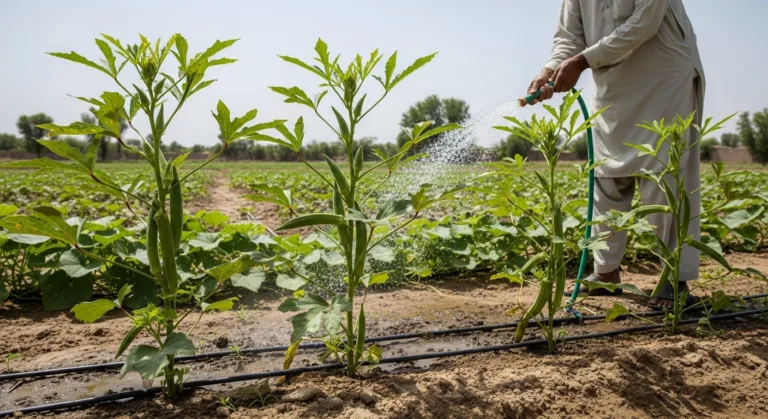
If there’s one vegetable that absolutely loves Pakistani summers, it’s okra. This green, finger-shaped vegetable is super easy to grow and can handle temperatures up to 45°C without breaking a sweat. Okra plants grow fast, really fast. You can start harvesting tender pods just 50-60 days after planting the seeds.
The best part? Okra doesn’t need much pampering. Plant the seeds directly in your garden soil, water them regularly, and watch them shoot up. The hotter it gets, the happier okra becomes. It’s like that friend who actually enjoys summer vacation while everyone else is hiding in air-conditioned rooms!
Bottle Gourd (Lauki): The Climbing Champion
Bottle gourd is another excellent choice for July planting. This vegetable grows on vines that love to climb, so you’ll need to give them something to grow on, like a fence or a trellis made from bamboo sticks. Think of bottle gourd plants as nature’s rock climbers, they need support to reach their full potential.
One bottle gourd plant can produce multiple gourds throughout the season, giving you plenty of vegetables for your family. The plants need consistent watering because they’re growing so fast, but they can definitely handle July’s heat. Plus, growing bottle gourd vertically saves space in your garden, which is perfect if you don’t have a huge backyard.
Bitter Gourd (Karela): Surprisingly Tough
Despite its delicate appearance, bitter gourd is actually quite tough when it comes to hot weather. Like bottle gourd, it’s a climbing vegetable that needs support as it grows. Many people avoid growing karela because they think it’s too difficult, but it’s actually one of the easier vegetables to grow in summer.
The secret to success with bitter gourd is providing it with rich soil that has plenty of organic matter. Mix some compost or well-rotted manure into your soil before planting, and your karela plants will reward you with abundant harvests. The plants start producing gourds within 55-60 days, so you won’t have to wait forever to see results.
Pumpkin (Kaddu): The Garden Giant
If you’ve got space, pumpkin is an awesome vegetable to grow in July. These plants spread out like they own the place, with large leaves and long vines that can cover a significant area. Pumpkin plants are like the friendly giants of the vegetable garden, they need room to spread their arms (or rather, their vines).
The warm July weather helps pumpkin seeds germinate quickly, and the long summer days give the plants plenty of time to grow large, healthy pumpkins. You can harvest smaller pumpkins for cooking in about 90 days, though some varieties take longer to reach their full size.
Cucumber (Kheera): The Quick Grower
Cucumbers are perfect for impatient gardeners because they grow incredibly fast. In just 50-65 days, you can be munching on fresh, crunchy cucumbers from your own garden. These vegetables need plenty of water, especially during hot July weather, but they absolutely love the warmth.
You can grow cucumbers on the ground or train them to climb up a support. Either way works fine, though climbing cucumbers often produce straighter fruits. The key is to keep the soil moist but not waterlogged, kind of like a wrung-out sponge rather than a water puddle.
Essential Tips for July Gardening Success
Water Wisely, Not Wildly
During July’s intense heat, water becomes your garden’s best friend. But here’s the trick: it’s better to water deeply once a day (preferably early morning or evening) than to sprinkle water multiple times. Deep watering encourages roots to grow deeper into the soil, making plants stronger and more drought-resistant.
Think of it like this: would you rather have one satisfying meal or ten tiny snacks that leave you hungry? Plants prefer that one good drink that reaches their roots over frequent shallow watering that just wets the surface.
Mulch is Your Secret Weapon
Mulch is like a protective blanket for your soil. Spread a layer of dried leaves, grass clippings, or straw around your plants, and it’ll help keep the soil cool and moist. Mulch also prevents weeds from growing, which means less work for you. It’s basically a win-win-win situation!
Give Your Plants Some Shade
Even though these vegetables love heat, they still appreciate a little afternoon shade during the hottest part of the day. You can create temporary shade using old bedsheets, shade cloth, or even by planting taller crops nearby to provide natural shade. It’s like giving your plants their own personal umbrella during the most intense sunshine.
Why Growing Your Own Vegetables Matters
When you grow your own vegetables, you know exactly where your food comes from. There are no mystery chemicals or pesticides unless you choose to use them. Plus, homegrown vegetables taste way better than store-bought ones because you can harvest them at peak ripeness.
Beyond the practical benefits, there’s something deeply satisfying about eating food you’ve grown yourself. It connects you to nature and helps you understand where food really comes from. It’s also a great way to get some exercise and fresh air while creating something useful.
Your July Garden Awaits
Growing vegetables in July might sound challenging at first, but with the right plant choices and proper care, it’s absolutely doable. The vegetables we’ve discussed, okra, bottle gourd, bitter gourd, pumpkin, and cucumber, are all proven performers in Pakistan’s summer heat. They’re forgiving, fast-growing, and will reward your efforts with fresh, healthy produce.
So, are you ready to start your July garden? Whether you have a large backyard or just a few pots on your balcony, you can grow something delicious this month. The heat doesn’t have to stop you. Instead, use it to your advantage and grow vegetables that actually love hot weather. Who knows? By August, you might be sharing fresh vegetables with your neighbors and inspiring them to start their own summer gardens. What will you plant first?