Have you ever been to an aquarium and watched those colorful fish swimming around, thinking “Wow, someone actually raises these for a living”? Well, they do! But here’s the million-dollar question (or should we say thousand-dollar question): Is fish farming actually profitable, or does it just drain your wallet like a leaky fish tank?
Fish farming, also called aquaculture, is basically like being a farmer, except your crops swim around and blow bubbles. It’s becoming super popular around the world because people love eating fish, and our oceans can’t keep up with the demand. But before you start dreaming about your own fish empire, let’s dive into the real costs and profits of this watery business. Trust me, it’s more complicated than just tossing some fish into a pond and waiting for your bank account to grow!
What Does It Actually Cost to Start a Fish Farm?
Starting a fish farm isn’t like setting up a lemonade stand, that’s for sure! The initial investment can range anywhere from $5,000 for a small backyard operation to over $100,000 for a serious commercial farm. Think of it like the difference between buying a bicycle and buying a car.
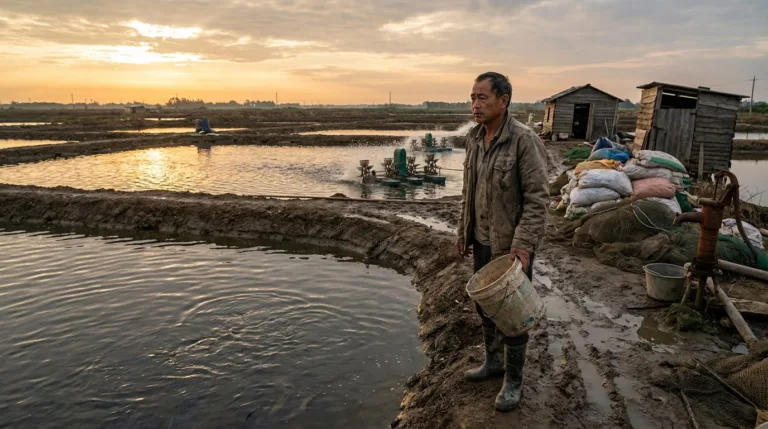
First up, you need somewhere for your fish to live. This could be a pond you dig in your backyard, large tanks, or even cages in a lake. A basic pond might cost around $2,000 to $10,000 to construct, depending on how big you want it. Indoor tank systems are pricier, sometimes costing $15,000 or more because you need special equipment to keep the water clean and oxygenated. It’s kind of like the difference between a kiddie pool and a full-blown swimming pool with a filtration system.
Then there are the baby fish, called fingerlings. These little guys typically cost between $0.10 to $1.00 each, depending on what species you choose. Popular options like tilapia are cheaper, while fancy fish like salmon cost more. If you’re starting with 1,000 fish (which is actually considered small in the fish farming world), you’re looking at $100 to $1,000 just for your “seeds.”
Don’t forget about equipment! You’ll need aerators to pump oxygen into the water (fish need to breathe too!), feeding systems, nets, water testing kits, and possibly heaters or cooling systems depending on where you live. Budget at least $2,000 to $5,000 for all this gear. It’s basically like buying all the supplies for a science lab, but your experiments swim around and hopefully turn into dinner.
The Never-Ending Expenses: Running Your Fish Farm
Okay, so you’ve set everything up. Now comes the part that never stops, the ongoing costs that’ll follow you like your shadow. This is where many beginners get surprised because they focused so much on the startup costs that they forgot about everything else.
Feed is your biggest expense, hands down. Fish are like teenagers at a buffet, they eat constantly! Depending on what you’re raising, feed costs can range from $0.50 to $2.00 per pound of fish produced. For example, if you’re raising 1,000 tilapia to market size (about 1.5 pounds each), you might spend $1,500 to $3,000 just on food over a 6-9 month growing period. That’s more than some people spend on groceries for themselves!
Then there’s your water bill and electricity. Those aerators and pumps run 24/7 because fish don’t take breaks from breathing. Expect to pay $50 to $300 per month depending on your setup size. It’s like leaving a bunch of fans and pumps running in your house all day, every day.
You’ll also need to factor in labor costs. Even if you’re doing the work yourself, your time is valuable! A small farm might only need a few hours of work daily, checking on fish health, feeding, and maintaining water quality. But commercial farms often hire help, which can cost $2,000 to $5,000 monthly for part-time workers.
Show Me the Money: What Can You Actually Earn?
Now for the exciting part! Let’s talk profit. The good news is that fish farming can definitely be profitable if you do it right. The average fish farmer can expect to make anywhere from 20% to 40% profit margins, which is actually pretty solid compared to many businesses.
Here’s a realistic example: Let’s say you raise tilapia in a small pond. You start with 1,000 fingerlings at $0.20 each ($200 total). After 6-9 months of feeding and care (costing about $2,000 in feed and supplies), you’ll have approximately 800-900 market-sized fish (some won’t survive, that’s just nature). If you sell them at $3.00 per pound and each fish weighs 1.5 pounds, you’re looking at revenue of about $3,600 to $4,050.
Let’s do the math: Revenue of $4,000 minus costs of $2,200 equals a profit of $1,800 per cycle. That might not sound like much, but remember, you can often run 1-2 cycles per year, and this is just from a small setup! Scale it up to 10,000 fish, and suddenly you’re talking about serious money.
Some fish are more profitable than others too. Catfish, tilapia, and carp are the budget-friendly options with smaller profit margins but faster growing times. Specialty fish like salmon, trout, or ornamental koi can sell for much higher prices (sometimes $10-$20 per pound!), but they’re trickier to raise and have higher startup costs.
The Hidden Challenges That Can Sink Your Profits
Before you get too excited and start ordering fish by the thousands, let’s talk about what can go wrong. Fish farming has some sneaky challenges that can turn your profitable dream into a money pit faster than you can say “underwater mortgage.”
Disease is enemy number one. When hundreds or thousands of fish live close together, diseases spread like gossip in a middle school cafeteria. One sick fish can infect your entire pond, potentially wiping out your whole investment in days. You’ll need to budget for medications and regular health monitoring, adding another $200-$500 to your annual costs.
Weather and water quality issues are also major headaches. Too hot? Fish get stressed and stop eating. Too cold? Same problem. Water gets too acidic or filled with ammonia from fish waste? You could lose everything overnight. It’s like trying to keep a really sensitive plant alive, except this plant cost you thousands of dollars and needs constant attention.
Then there’s the market challenge. You might raise the most beautiful, healthy fish in the world, but if you can’t sell them, you’ve just created expensive pets. Finding reliable buyers, whether that’s restaurants, grocery stores, or direct consumers, takes time and effort. Some farmers spend months building relationships with buyers before they even start their farm.
Smart Strategies to Boost Your Fish Farming Profits
Want to know how successful fish farmers actually make good money? They use some clever strategies that beginners often miss. These tips can be the difference between barely breaking even and running a truly profitable operation.
Start small and scale up gradually. This might sound boring, but it’s the smartest move. Begin with a small pond or tank system, learn the ropes, make your mistakes when they’re cheap, and then expand once you know what you’re doing. It’s like learning to ride a bike before entering a cycling race.
Choose the right fish for your climate and market. There’s no point raising cold-water trout if you live in a hot area, your electricity bills for cooling will eat your profits. Research what fish are popular in your local market through sites like Multanfarms.com, and pick species that naturally thrive in your environment.
Consider value-added products. Instead of just selling whole fish, some farmers make extra money by filleting, smoking, or packaging their fish in special ways. Think of it like the difference between selling plain apples versus selling apple pies, same ingredient, way more profit!
Another pro tip: Diversify your operation. Some fish farmers also raise different species together (like tilapia with prawns), grow plants using the fish waste (it’s called aquaponics, and it’s super cool), or even offer farm tours and fishing experiences. Multiple income streams mean you’re not putting all your eggs, or should we say fish, in one basket.
Is Fish Farming Right for You?
So, can you really make money raising fish? The honest answer is: yes, but it’s not a get-rich-quick scheme. Fish farming requires dedication, patience, learning, and enough startup capital to do it properly. It’s definitely not as simple as those “make money from home” ads make it sound!
The most successful fish farmers are those who treat it like the real business it is. They educate themselves constantly, keep detailed records of costs and profits, stay on top of water quality, and build strong relationships with their buyers. They also don’t quit their day jobs until their farm is consistently profitable for at least a year or two.
If you’re seriously interested in fish farming, start by visiting local farms, reading everything you can find (Multanfarms.com has tons of great resources), and maybe even trying a tiny backyard operation first. Who knows? That small pond in your backyard could be the start of something amazing. The question is, are you ready to take the plunge into the world of aquaculture?