Have you ever raided your kitchen looking for something to help with a sudden pimple breakout or oily skin? Maybe you’ve heard your mom or older sister talk about face masks made from stuff you’d normally use in cooking. Well, here’s a combo that’s been getting a lot of buzz lately: multani mitti and lemon juice. But before you start squeezing lemons into that clay powder, you’re probably wondering, “Is this actually safe? Will it work? Or am I about to put something weird on my face?”
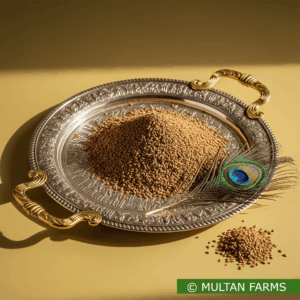
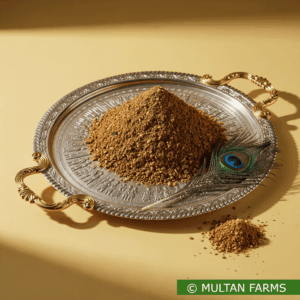
Multani mitti, also known as Fuller’s earth, is basically a type of clay that’s been used for centuries in places like India and Pakistan for skincare. It’s like nature’s vacuum cleaner for your face, sucking up extra oil and dirt from your pores. Lemon, on the other hand, is that tangy citrus fruit you put in your water or squeeze on fish. It’s packed with vitamin C and acids that can brighten skin. So mixing them together sounds like a match made in skincare heaven, right? Well, it’s a bit more complicated than that.
In this article, we’re going to dig into whether combining lemon with multani mitti is actually a good idea, what benefits you might get, what risks you need to know about, and how to do it safely if you decide to try it. Trust me, your skin will thank you for reading this first.
What Makes This Combo So Popular?
Let’s start with why people even thought of mixing these two things in the first place. Multani mitti has been a beauty secret in South Asian countries for generations. It’s basically a soft, fine clay that turns into a paste when you add water. When you put it on your face and let it dry, it absorbs excess oil, removes dead skin cells, and leaves your skin feeling fresh and clean. Think of it like a super-absorbent paper towel, but for your face.
Now add lemon juice to the mix. Lemons contain something called citric acid, which is a natural exfoliant. That’s a fancy word for something that helps remove dead skin cells. Lemons also have vitamin C, which can help brighten dark spots and make your skin look more even. Plus, they have antibacterial properties, which means they can help fight the bacteria that cause pimples.
When you combine these two ingredients, you’re theoretically getting the oil-absorbing power of the clay plus the brightening and bacteria-fighting power of the lemon. It’s like having a two-in-one shampoo, but for your face. On paper, it sounds amazing. But here’s where things get a little tricky, and this is super important to understand.
The Science Behind the Mix (Don’t Worry, It’s Easy!)
Here’s something cool about chemistry: when you mix different substances, they can react with each other in unexpected ways. Multani mitti is naturally alkaline, which means it has a high pH level. If you remember from science class, pH measures how acidic or basic something is. Pure water is neutral at 7, acids are below 7, and bases (or alkaline substances) are above 7.
Lemon juice, on the other hand, is highly acidic with a pH around 2 to 3. That’s pretty intense! Your skin naturally has a slightly acidic pH of about 4.5 to 5.5. This is called your skin’s “acid mantle,” and it’s like your skin’s natural protective shield against bacteria and pollution.
When you mix the alkaline clay with acidic lemon juice, they actually balance each other out a bit. The mixture ends up being less harsh than using lemon juice alone. It’s kind of like when you mix baking soda (a base) with vinegar (an acid) for that volcano science experiment, they react and neutralize each other. However, the final mixture can still be pretty acidic depending on how much of each ingredient you use, and that’s where you need to be careful.
The Good Stuff: Benefits You Might See
Okay, so what can this lemon and multani mitti combo actually do for your skin? Let’s break down the potential benefits. First up, if you have oily skin (you know, that shiny look by lunchtime), this mask can be a game-changer. The clay soaks up that excess oil like a sponge, while the lemon helps control the bacteria that thrive in oily environments and cause breakouts.
Second, if you’re dealing with dark spots from old pimples or uneven skin tone, the vitamin C in lemon can help lighten those areas over time. It’s not going to work overnight like magic, but with regular use, you might notice your skin looking brighter and more even. Think of it like gradually turning up the brightness setting on your phone screen.
Third, this combination can help unclog pores. The multani mitti pulls out dirt and impurities, while the citric acid in lemon helps dissolve the dead skin cells that can trap oil and bacteria in your pores. It’s like giving your pores a deep clean, similar to how you’d clean out a clogged drain.
Finally, the antibacterial properties of lemon combined with the cleansing power of the clay can help prevent new pimples from forming. If you’re someone who constantly battles breakouts, this could be a helpful addition to your skincare routine.
The Not-So-Good Stuff: Risks You Need to Know
Now let’s talk about the flip side, because this is really important. Lemon juice is seriously acidic, and while that can be beneficial, it can also cause problems if you’re not careful. The biggest issue is something called phytophotodermatitis. Okay, that’s a huge word, so let’s break it down. Basically, when lemon juice gets on your skin and then you go out in the sun, it can cause a chemical reaction that leads to severe burns, blisters, or dark patches. It’s like your skin becomes super sensitive to sunlight.
Another risk is irritation and redness. If you have sensitive skin, the acid in lemon can be way too harsh, even when mixed with clay. You might end up with a red, burning face instead of the glowing skin you were hoping for. Some people also experience dryness or peeling, especially if they leave the mask on too long or use it too frequently.
There’s also the issue of pH disruption. Remember that acid mantle we talked about? If you constantly use products that mess with your skin’s natural pH, you can actually damage that protective barrier. This might make your skin more vulnerable to irritation, infections, and even more breakouts. It’s like constantly changing the locks on your door, eventually the door itself gets damaged.
One more thing: lemon juice can make your skin more sensitive to other products you use. So if you’re already using acne medications or other strong skincare products, adding lemon to the mix might be too much for your skin to handle.
How to Mix It Safely (If You Decide to Try It)
If you’re still interested in trying this combo after knowing the risks, here’s how to do it as safely as possible. First, always do a patch test. Mix a tiny bit of the mask and apply it to a small area on your inner arm. Wait 24 hours to see if you have any reaction like redness, itching, or burning. If everything looks good, you can proceed.
For the mixture itself, use more clay than lemon. A good ratio is about 2 tablespoons of multani mitti to 1 teaspoon of fresh lemon juice. You can add a bit of water or rose water to make it the right consistency, like a thick paste. Some people also add a teaspoon of honey, which helps moisturize and makes the mixture less harsh.
Apply the mask to clean, dry skin, but avoid the eye area. Leave it on for only 10-15 minutes, not longer. You want it to dry but not get super hard and crack. When you feel it starting to tighten, it’s time to rinse. Use lukewarm water and gentle circular motions to remove the mask. Don’t scrub hard, that’ll just irritate your skin more.
After rinsing, immediately apply a good moisturizer. This is super important because both the clay and lemon can be drying. And here’s the crucial part: avoid sun exposure for at least 24 hours after using this mask. If you absolutely must go outside, wear sunscreen with at least SPF 30. Better yet, do this mask in the evening so your skin has all night to recover before facing the sun.
Better Alternatives and Safer Options
Here’s the thing, just because you can mix lemon with multani mitti doesn’t always mean you should. There are actually safer alternatives that give you similar benefits without as much risk. For example, you can mix multani mitti with rose water or plain yogurt. Rose water is soothing and won’t mess with your skin’s pH, while yogurt contains lactic acid, which is a much gentler exfoliant than citric acid.
If you want the brightening effects of vitamin C without the harshness of lemon, try mixing multani mitti with a bit of tomato juice or cucumber juice instead. These have gentler acids and are less likely to cause irritation or sun sensitivity. You can also add a pinch of turmeric, which has anti-inflammatory properties and can help with acne and dark spots.
Another option is to use multani mitti with just water or green tea. Green tea has antioxidants that are great for skin, and it won’t cause any of the issues that lemon can. If you’re really set on using citrus, try orange peel powder instead of lemon juice. It’s milder and less likely to cause problems.
The bottom line is that there are plenty of ways to get glowing, healthy skin without taking unnecessary risks. Your skin is unique, and what works for someone else might not work for you.
The Final Verdict: Should You Do It?
So, can you add lemon to multani mitti? Technically, yes. But should you? That depends on your skin type, how careful you are, and whether you’re willing to deal with the potential risks. If you have sensitive skin, a history of skin reactions, or you’re already using strong acne treatments, it’s probably better to skip the lemon and stick with gentler alternatives.
If you do decide to try it, remember all the safety tips: patch test first, use way more clay than lemon, don’t leave it on too long, moisturize immediately after, and stay out of the sun. And if you notice any burning, excessive redness, or irritation, wash it off right away and don’t use it again.
The world of natural skincare is full of interesting combinations and age-old remedies. While multani mitti and lemon can work together, it’s not a one-size-fits-all solution. The best skincare routine is one that’s tailored to your specific needs and doesn’t put your skin at risk. So before you start mixing up DIY face masks, take a moment to research, understand your skin, and make informed choices. After all, your face is the only one you’ve got, so why not treat it with the care it deserves? What’s the safest and most effective way you can take care of your skin today?