Have you ever stared into a pond and wondered what it would be like to raise your own fish, just like planting seeds in a garden? In Pakistan, that’s exactly what’s happening on fish farms, where colorful carp and speedy tilapia swim around in man-made ponds, growing big and strong. These underwater adventures aren’t just fun, they’re a smart way to get fresh fish on the table without heading to the river. Fish farming, or aquaculture, is like being a fish parent, and it’s booming in places like Punjab and Sindh.
Pakistan’s rivers and warm weather make it a perfect spot for this. Farmers here are turning empty fields into buzzing fish factories, and sites like Multanfarms.com share all the secrets to get started. In this article, we’ll splash into the cool world of fish farming, from picking the right fish buddies to dodging sneaky challenges. You’ll learn how it feeds families, boosts jobs, and even helps the planet. By the end, you might be sketching your own pond plan!
Fish farming started picking up speed in Pakistan around the 1980s, and now there are over 12,000 farms churning out tons of tasty seafood. It’s not all smooth swimming, but with a bit of know-how, anyone can dive in. Let’s explore what makes these farms tick.
Splash into the Stars: Awesome Fish Species for Pakistani Ponds
Choosing fish for your farm is like picking teammates for a soccer game, each one brings something special. In Pakistan, the MVPs are the major carps, a group of tough swimmers that love freshwater ponds. Take rohu, for example, it’s got flaky white meat that’s perfect for curries, and it grows fast like your favorite plant after rain. Then there’s catla, the speedy one that zooms to the top of the water to grab food, almost like a fishy race car.
Don’t forget tilapia, the hardy newbie that’s taking over farms. This fish is like the easygoing friend who fits anywhere, it handles warm water and crowds without complaining. At Multanfarms.com, they rave about mono-sex GIFT tilapia, a super version that’s all females for faster growth, no boys to slow things down. Did you know Pakistan sticks to just seven warm-water species like these? That keeps things simple and successful, with over 100,000 tons produced yearly.
For cooler northern spots, trout steals the show, thriving in chilly streams like a polar bear in snow. Farmers mix these species in one pond, called polyculture, so they share food without fighting, like roommates splitting chores.
Building Your Underwater Kingdom: Setting Up a Fish Farm
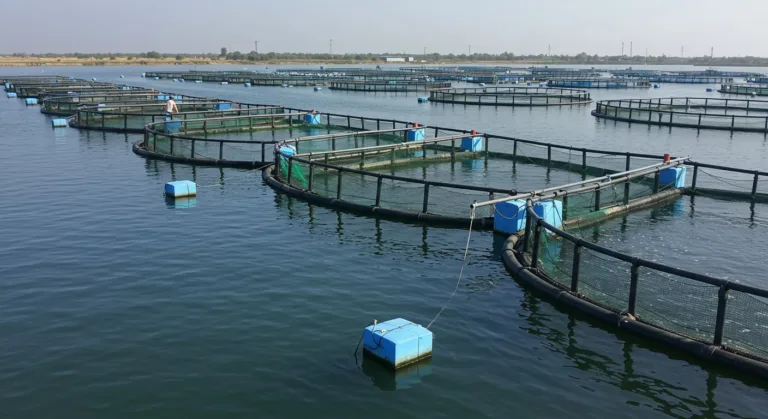
Dreaming of your own fish palace? Starting small is the way, maybe with a backyard pond the size of a swimming pool. You’ll need a spot with steady water, like near a canal or well, and soil that holds water tight, not sandy like a beach. Dig the pond about four feet deep, line it if needed, and add inlets for fresh water flow, like giving your fish a constant shower.
In Pakistan, most farms use pond culture, simple earth ponds that cost less than fancy tanks. Multanfarms.com suggests starting with tilapia, stocking 6,000 fingerlings per acre, way more than the 600 carps you’d squeeze in normally. It’s like packing a lunchbox full but smart, so everyone gets a bite. Add aerators if you go big, bubbling oxygen like a fizzy soda to keep fish happy.
Budget around Rs. 8 million for a trout setup, but tilapia farms are cheaper, perfect for beginners. Fences keep out birds and cats, turning your pond into a safe playground.
Feeding Frenzy: Keeping Your Fish Fat and Happy
Fish don’t hunt for food on farms, so you play chef. Feed them pellets mixed with grains and veggies, like a balanced school lunch for swimmers. Carps munch on the bottom, middle, and top, so toss food in layers, avoiding waste that dirties the water.
Watch water quality too, it’s like checking if your pool is too murky for a dip. Test for oxygen and pH, that funny scale for acidity, and change water weekly to flush out junk. Diseases sneak in like bullies, so quarantine new fish and use natural herbs if bugs show up.
At Multanfarms.com, they tip that tilapia grows in eight months from tiny fingerlings to dinner size, ready for harvest. Fun fact: Trout farms in the north battle shorter winters now, but smart farmers adjust with shaded ponds. Happy fish mean bigger catches, simple as that.
Hurdles in the Water: Tackling Fish Farm Challenges
Every adventure has bumps, and fish farming is no exception. Water pollution from bad waste can turn ponds green and gross, harming fish like too much junk food hurts you. Overcrowding sparks diseases, spreading faster than gossip in class.
In Pakistan, floods wreck northern trout farms, and loans are tough to snag for starters. Climate change shortens breeding seasons, like winter vanishing too quick. But fixes exist: Use biofloc systems, where fish waste feeds bacteria that clean the water, like a self-washing tank.
Multanfarms.com pushes eco-tricks, like recycling water to save resources. Join farmer groups for tips and cheap feed, turning woes into wins.
Reeling in the Rewards: Why Fish Farms Rock Pakistan
Fish farms aren’t just ponds, they’re money makers and meal heroes. They crank out protein-packed fish, cheaper than wild catches, feeding millions in a country where bellies rumble. One acre can yield thousands of kilos, sold fresh in markets for quick cash.
Jobs pop up everywhere, from feeding crews to truck drivers, especially in rural spots like Multan. It’s girl-power too, with women handling sales and sorting. Exports to places like China boost the economy, like sharing lunch with neighbors.
Eco-bonus: Farms ease pressure on wild rivers, saving fish from overfishing. Imagine grilling your own rohu, knowing you helped the planet.
From Pond to Plate: Harvesting and Selling Your Catch
Harvest time is party central, like the end of a long game. Drain the pond slowly or net the fish, sorting big ones for market and babies for next round. In Pakistan, carps hit sale size in six to eight months, ready for filleting.
Markets in Lahore or Karachi buzz with buyers, but online sales via Multanfarms.com reach far. Price it right, fresh beats frozen, and watch rupees roll in. Value-add like smoking or packaging ups profits, like jazzing up plain cookies.
Did you know Sindh’s ponds cover 49,000 hectares, the biggest chunk in Pakistan? It’s a cycle: Harvest, sell, restock, repeat.
There you go, the bubbly basics of fish farming in Pakistan! From speedy catla to tough tilapia in Multanfarms.com-style ponds, it’s a splashy mix of science, smarts, and seafood. These farms feed families, create jobs, and guard wild waters, proving small ponds pack big punches. Next time you munch on fried fish, think of the farmers who grew it. What if you started a tiny tank at home? Could your goldfish be the start of something huge?