Picture this: you’re sitting down for dinner, and there’s a plate of delicious fish in front of you. Have you ever stopped to wonder where that fish came from? If you live in Pakistan, there’s a growing chance it didn’t come from the ocean or a river. Instead, it might have been raised on a farm, just like chickens or cows. Welcome to the world of aquaculture, and it’s becoming a big deal in Pakistan!
Aquaculture is just a fancy word for fish farming. Instead of catching fish from the wild, people raise them in controlled environments like ponds, tanks, or even special areas in the ocean. Think of it like having a vegetable garden, but instead of growing tomatoes and carrots, you’re growing fish! Pakistan has been catching on to this idea, and it’s changing the way people think about food, jobs, and taking care of the environment.
What Exactly Is Aquaculture and Why Should You Care?
Let’s break this down. Aquaculture means raising fish, shrimp, and other water creatures for food. It’s not a new idea, people in China have been doing it for thousands of years! But in Pakistan, it’s relatively newer and growing fast.
Here’s why it matters to you: Pakistan has over 240 million people, and that number keeps growing. All these people need food, especially protein-rich foods like fish. But here’s the problem, our oceans and rivers can’t provide enough fish for everyone if we keep taking them faster than they can reproduce. It’s like trying to empty a bucket that’s being filled by a slow drip, eventually, you’ll run out of water.
That’s where fish farms come in. By raising fish in controlled environments, Pakistan can produce more food without depleting natural fish populations. Plus, it creates jobs for thousands of people across the country. Pretty cool, right?
How Does Fish Farming Actually Work in Pakistan?
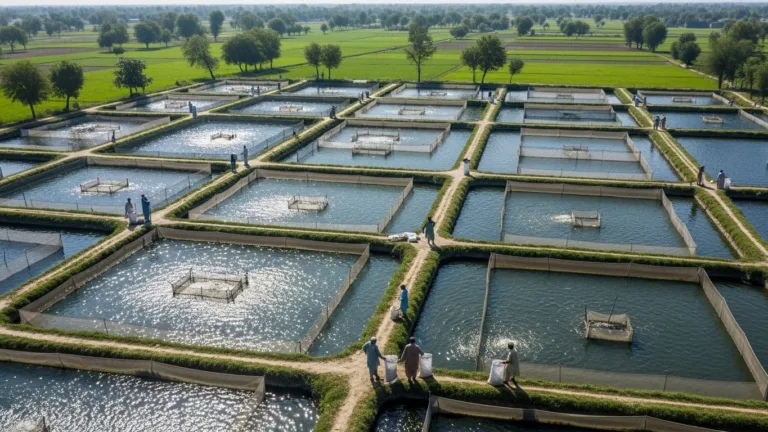
Imagine you’re setting up an aquarium at home, but way bigger. That’s basically what fish farmers do! In Pakistan, most aquaculture happens in freshwater ponds, especially in provinces like Punjab and Sindh.
Farmers start by digging large ponds or using existing water bodies. They fill these ponds with water and then add baby fish, called fingerlings. The most popular fish to farm in Pakistan include carp, tilapia, and catfish. These fish are hardy, meaning they can survive in different conditions and don’t need super fancy equipment to thrive.
The farmers feed the fish regularly, kind of like feeding a pet. They monitor water quality to make sure it has enough oxygen and isn’t too dirty. After several months, when the fish grow big enough, they’re harvested and sent to markets. From pond to plate, the whole process usually takes about six months to a year, depending on the type of fish.
What makes Pakistan special for aquaculture? The country has plenty of freshwater resources, including the mighty Indus River and its tributaries. There’s also a good climate that fish love, warm temperatures mean fish grow faster. It’s like having the perfect conditions for a garden, except this garden is underwater!
The Big Benefits: Why Pakistan Is Going All-In on Fish Farms
So why is everyone getting excited about fish farming? Let’s count the ways!
Food Security Is a Big Deal. With millions of mouths to feed, Pakistan needs reliable food sources. Fish is packed with protein and important nutrients that help kids grow strong and healthy. By producing fish locally through aquaculture, Pakistan doesn’t have to rely as much on importing fish from other countries. That means fresher fish and lower prices at the market.
Jobs, Jobs, Jobs! Aquaculture creates work opportunities in rural areas where jobs can be hard to find. A single fish farm might employ dozens of people, from the workers who feed the fish to the folks who transport them to markets. Some families even run small fish farms as a side business, earning extra income to support their children’s education or improve their homes.
Helping the Environment. This might surprise you, but fish farming can actually be better for the environment than traditional fishing. When we overfish oceans and rivers, we disrupt entire ecosystems. It’s like removing too many pieces from a Jenga tower, eventually, the whole thing collapses. Fish farms reduce pressure on wild fish populations, giving them a chance to recover and thrive.
The Challenges: It’s Not All Smooth Swimming
Of course, nothing’s perfect, and aquaculture in Pakistan faces some real challenges. Understanding these problems helps us figure out how to make fish farming even better.
Water Quality Is Tricky. Fish are super sensitive to their environment. If the water gets too dirty or doesn’t have enough oxygen, fish can get sick or die. Many small-scale farmers in Pakistan don’t have the equipment or knowledge to properly monitor water conditions. It’s like trying to keep a plant alive without knowing how much water or sunlight it needs.
Disease Can Spread Fast. When you pack lots of fish into a small space, diseases can spread quickly, kind of like how a cold moves through a crowded classroom. Pakistani fish farmers sometimes struggle with disease outbreaks that can wipe out entire ponds. This problem gets worse when farmers don’t have access to veterinary services or proper medications.
High Costs and Limited Knowledge. Starting a fish farm isn’t cheap. You need land, equipment, fingerlings, and fish feed. Many Pakistani farmers, especially in rural areas, can’t afford these startup costs. Plus, there’s a knowledge gap. Traditional farming families might know everything about growing wheat or rice but nothing about raising fish. Training programs exist, but they don’t reach everyone who needs them.
Climate Change Adds Another Layer. Pakistan has experienced extreme weather in recent years, from devastating floods to intense heat waves. These climate events can destroy fish farms overnight or make water conditions unstable. Farmers need strategies to protect their investments from unpredictable weather.
Success Stories: Real Pakistani Farmers Making Waves
Despite the challenges, many Pakistani farmers are finding success with aquaculture. Take the example of farms in Punjab’s districts like Faisalabad and Multan, where fish farming has become a thriving business. Farmers in these areas have learned to combine traditional agriculture with aquaculture, creating what’s called integrated farming systems.
Here’s how it works: a farmer might have rice fields and fish ponds side by side. The waste from the fish ponds provides nutrients for the rice, and the rice fields help filter water that flows back to the ponds. It’s like a perfect partnership where everyone wins! This approach maximizes land use and creates multiple income streams for farming families.
Some enterprising farmers have also started raising high-value species like prawns and shrimp, which sell for much higher prices than regular fish. While these require more technical knowledge and investment, the profits can be substantial. It’s riskier, like choosing a harder level in a video game, but the rewards are bigger too.
What Does the Future Hold?
The future of aquaculture in Pakistan looks promising but will require smart planning and support. The government has recognized aquaculture’s potential and is slowly investing in infrastructure, training programs, and research. Organizations like Multanfarms.com and others are working to provide farmers with the knowledge and resources they need to succeed.
Technology is also playing a bigger role. Some farms are experimenting with automated feeding systems, water quality sensors, and even apps that help farmers monitor their ponds remotely. Imagine checking on your fish the same way you check social media, that’s becoming a reality!
There’s also growing interest in something called sustainable aquaculture, which focuses on farming fish in ways that don’t harm the environment. This includes using eco-friendly feeds, recycling water, and avoiding chemicals that pollute surrounding areas.
The Bottom Line: Why Aquaculture Matters to Your Generation
So, what does all this mean for you? As Pakistan’s population continues to grow, finding sustainable ways to produce food becomes more important every day. Aquaculture represents one solution to feeding millions of people without destroying the natural resources that future generations will need.
Whether you live in a big city like Karachi or a small village in Punjab, the growth of fish farming affects you. It influences what’s available at your local market, creates jobs in your community, and plays a role in protecting Pakistan’s rivers and coastal areas.
Who knows? Maybe someday you’ll visit a fish farm or even start one yourself. The skills needed for modern aquaculture include biology, business, technology, and environmental science. It’s a field where you can make a real difference while building a successful career.
So next time you enjoy fish for dinner, think about the journey it took to reach your plate. And ask yourself: how can we make sure there’s enough healthy food for everyone while taking care of our planet? That’s the question your generation will need to answer, and aquaculture might just be part of the solution.