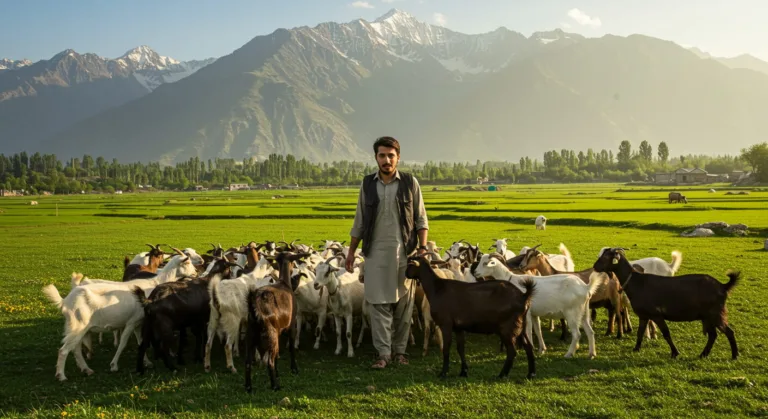
Imagine waking up to a chorus of “baaas” from a bunch of fluffy goats munching on fresh grass. Sounds like a scene from a movie, right? But in Pakistan, especially around sunny spots like Multan, this isn’t just fun—it’s a smart way to start a business that helps families eat, earn money, and even keep the planet happy. At Multan Farms, goat farming isn’t about chasing goats around a field; it’s about turning those clever creatures into stars of meat, milk, and more.
Goat farming in Pakistan is like having a team of superheroes on your farm. These animals are tough, eat almost anything, and give back tons in return. In this article, we’ll explore why it’s such a big deal, how to kick things off without breaking the bank, and what it takes to keep your goats happy and your business growing. You’ll learn real tips from places like Multan Farms, plus some fun facts that might make you want to grab a shovel and start digging. Ready to discover how a few goats could change everything? Let’s jump in!
Pakistan has over 80 million goats, making it one of the world’s top spots for these bouncy buddies. That’s more goats than you can count in a lifetime of hide-and-seek! And at farms like Multan Farms, they’re showing kids and grown-ups alike how this business mixes hard work with big rewards.
Why Is Goat Farming Such a Hit in Pakistan?
Have you ever thought about why goats are called the “poor man’s cow”? It’s because they’re small but mighty, giving milk and meat without needing a fancy setup like a big cow would. In Pakistan, goat farming is huge because it fits right into everyday life, especially in rural areas where land might be tight but dreams are big. Farmers here raise goats for their tasty meat in curries, creamy milk for cheese, and even tough skin for leather bags.
At Multan Farms, they mix goat farming with other cool stuff like ostriches and crops, showing how it all works together like a well-oiled bike chain. This business boosts the economy by producing about 275,000 tons of mutton and 851,000 tons of milk each year. That’s enough to feed families across the country and even ship goodies abroad. Plus, goats are eco-friendly munchers—they clear weeds and bushes without chemicals, keeping the soil healthy.
Did you know? Goats are like nature’s lawnmowers; they can eat tough plants that other animals skip, helping farms stay green and clean.
The best part? It’s a business anyone can try, from city kids visiting Multan Farms to village families. It creates jobs, fights hunger, and turns simple farms into money-makers. Smooth sailing from here—next, we’ll see how to pick your perfect goat squad.
Picking the Right Goats: Your Farm’s First Friends
Starting a goat farm? First things first: choose breeds that match Pakistan’s hot sun and dusty trails. Popular picks include the Beetal, a milky superstar from Punjab that’s great for cheese and yogurt, or the sturdy Teddy goat, which thrives on scrappy food and grows fast for meat. At Multan Farms, they focus on domestic breeds for meat, milk, fiber, and skin, picking ones that are tough like your favorite sneakers.
Think of it like picking teammates for a soccer game—you want fast runners and strong kickers. For beginners, start small with 10 to 20 goats so you can learn without feeling overwhelmed, just like practicing free throws before a big match. Buy from trusted spots like Multan Farms, where they give tips on healthy starters over five months old. Avoid skinny or sick ones; look for bright eyes and bouncy steps.
- Beetal Goat: Big milk producer, up to 2 liters a day—perfect if you dream of your own dairy stand.
- Teddy Goat: Short-haired and speedy, ideal for meat sales during festivals like Eid.
- Nubian Influence: A mix that’s calm and gives rich milk, like a cozy blanket on a chilly night.
Fun fact: A single goat can produce enough milk for a family’s breakfast every day, and her kids (baby goats) grow up in just five months!
Once you’ve got your crew, it’s time to build their home base. Let’s head to the next section for the scoop on shelters that keep goats cozy and safe.
Building a Goat-Proof Paradise: Housing and Setup Basics
Ever tried building a fort out of blankets and chairs? Goat housing is like that, but tougher and bigger. In Pakistan’s varying weather—from scorching summers to rainy monsoons—you need a sturdy shed with good ventilation to keep air flowing like a fan on high. At Multan Farms, they use simple pole barns facing south to block wind and rain, ensuring goats stay dry and warm.
Plan for about 15-20 square feet per goat, so they have room to play without bumping heads. Fences are key—goats are escape artists, climbing and squeezing like pros. Use woven wire at least 4 feet high, with electric strands on top for extra zap, kind of like a video game barrier that says “nope!” Separate bucks (boy goats) from does (girls) to avoid surprise parties, and add shady spots for hot days.
Here’s a quick starter list for your setup:
- Shed Materials: Wood or metal poles, with a sloped roof to let rain slide off.
- Flooring: Dirt or gravel for easy cleaning—goats love scratching around.
- Water Stations: Clean troughs nearby, since thirsty goats aren’t happy ones.
Example: Imagine your bedroom: you need a bed, space to move, and windows for light. Goats want the same, but with hay instead of homework!
With a solid home ready, your goats will thrive. Now, let’s talk tummies—what’s on the menu to keep them healthy and growing?
Feeding Your Goats: The Secret to Strong and Happy Herds
Goats aren’t picky eaters, but feeding them right is like fueling a race car for top speed. In Pakistan, they munch on grasses, leaves, and crop leftovers—think weeds from your backyard turned into gold. At Multan Farms, farmers mix in grains like corn or barley for extra energy, especially for milking moms, keeping costs low since goats survive on “low-quality” scraps other animals ignore.
Aim for a balanced diet: 70% roughage (hay and greens) and 30% concentrates (pellets with minerals). Fresh water is non-negotiable, like how you chug juice after playing outside. In dry areas, plant fodder crops like berseem to ensure a steady supply, avoiding overgrazing that could turn your field into a dust bowl.
Did you know? Goats have rectangular pupils, giving them killer side vision to spot snacks from afar—up to 320 degrees!
Analogy: Feeding goats is like packing your lunch: mix veggies for health, carbs for energy, and a treat to keep things fun. Skip the junk, and they’ll reward you with more milk or meat.
Clean feeders daily to dodge tummy troubles. As your herd grows, watch portions—overfeed, and you’ll have chubby goats that move slow. Transitioning smoothly, healthy eating leads to healthy herds, so next up: keeping sickness away.
Keeping Goats Healthy: Vet Tips and Daily Care
Nobody likes a sick friend, and goats are no different. Good health means regular check-ups, like visiting the doctor for your yearly shots. In Pakistan, common woes include worms or foot rot from muddy spots, but vaccines and dewormers keep them at bay. Multan Farms stresses clean barns and balanced feed to boost immunity, turning potential problems into non-issues.
Watch for signs like coughing or limping, and quarantine new goats for two weeks—like a timeout to make sure they’re not bringing germs to the party. Trim hooves every six weeks (they grow like your nails) and provide mineral licks for strong bones. It’s easier than you think, especially with local vets who know Pakistan’s breeds inside out.
- Daily Routine: Morning feed, afternoon graze, evening health scan.
- Breeding Basics: Let does rest 60 days before kidding; one buck handles 20-30 girls.
- Emergency Kit: Stock bandages, antiseptics, and a goat health book for quick fixes.
Example: Think of goat care like your bike maintenance: oil the chain regularly, and it’ll zoom forever without flats.
Fun fact: Goats are smart cookies—they recognize up to 100 other goats by sight and even solve puzzles for treats!
With happy, healthy goats, you’re set to turn them into treasure. Let’s explore how this all adds up to business bucks.
Turning Goats into Gold: The Business Side of Farming
Now the exciting bit: making money from your mooching machines! Decide early if you’re aiming for meat (fattening kids for Eid sales), milk (daily squeezes for local shops), or extras like fiber and skins. At Multan Farms, they sell everything from lean goat meat (healthier than beef, with less fat) to leather goods, delivering farm-fresh straight to doors.
Start small: A basic setup for 10 goats might cost under PKR 200,000, including shed and starters, with returns in six months from sales. Market at festivals or online via Multan Farms’ tips—price right by checking local spots, and watch profits climb. It’s low-risk, quick-turnaround fun, like flipping cards but with real rewards.
Analogy: Goat farming is like a lemonade stand: low start-up, steady customers, and if you add flavors (like cheese-making), sales skyrocket!
Challenges? Weather or feed prices can pinch, but smart planning—like crop rotation—keeps you ahead. As we wrap up, remember: this business isn’t just cash; it’s community.
Wrapping Up: Why Goat Farming Could Be Your Next Big Thing
From picking bouncy Beetal breeds to building escape-proof pens and whipping up weed salads, goat farming in Pakistan at spots like Multan Farms is a blend of smarts, sweat, and smiles. You’ve seen how these adaptable animals turn scraps into steaks, milk, and more, fueling families and the economy with over 80 million strong. It’s beginner-friendly, eco-smart, and packs health perks like nutrient-rich meat that’s leaner than chicken.
This matters because it shows how small steps—like starting with a handful of goats—can grow into big changes, supporting rural life and sustainable eats. Whether you’re dreaming of farm visits or your own herd, goat farming proves nature and business make awesome teammates. So, what about you? Ready to bleat your way to a brighter future—maybe even chat with Multan Farms for tips?