Picture biting into a sweet, juicy mango on a hot summer day. The golden flesh drips down your chin, and the tropical flavor explodes in your mouth. Now imagine that people have been enjoying this exact same experience for more than 4,000 years! That’s right, mangos are one of the oldest cultivated fruits in human history, and they’ve got some seriously cool stories to tell.
At Multanfarms.com, we’re passionate about growing amazing fruits, and mangos hold a special place in our hearts. These tropical treasures aren’t just delicious, they’re also packed with fascinating history, surprising science, and cultural significance that spans the entire globe. Whether you’ve eaten a hundred mangos or you’re just curious about this popular fruit, get ready to discover some facts that’ll make you see mangos in a whole new light.
From royal gardens to modern supermarkets, from ancient legends to space missions, mangos have been on quite a journey. Let’s explore what makes this fruit so incredibly special and why it’s captured the hearts (and taste buds) of billions of people worldwide.
Why Is the Mango Called the “King of Fruits”?
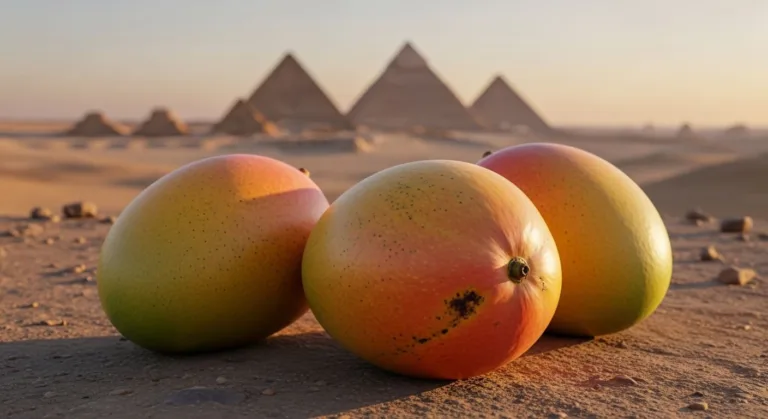
In many countries, especially in South Asia, the mango isn’t just any fruit, it’s royalty! People have been calling it the “King of Fruits” for centuries, and there are some pretty good reasons why. First off, mangos have been cultivated for over 4,000 years, making them one of the most ancient fruits still enjoyed today. That’s older than the Great Pyramids of Egypt!
The title also comes from the fruit’s incredible variety and versatility. There are over 1,000 different types of mangos grown around the world, each with its own unique flavor, color, and texture. Some are super sweet like candy, while others have a tangy kick. Some are as small as plums, while others can weigh up to five pounds, that’s like carrying a small laptop made of fruit!
Historically, mangos were so prized that only royalty and wealthy people could afford them. Ancient Indian emperors maintained enormous mango orchards, and giving someone a mango tree was considered an incredibly generous gift. The Mughal emperor Akbar reportedly planted an orchard of 100,000 mango trees in the 16th century. Talk about being a mango superfan!
Where Did Mangos Originally Come From?
Mangos have their roots (literally!) in South Asia, specifically in the region that includes India, Pakistan, and Myanmar. The fruit originated in the foothills of the Himalayas over 5,000 years ago. That means mangos were growing and being enjoyed when humans were just figuring out how to build the first civilizations!
From their birthplace in South Asia, mangos traveled the world like botanical explorers. Buddhist monks brought them to East Asia around 400-500 CE. Portuguese explorers discovered mangos in India during the 15th century and introduced them to Africa and Brazil. Spanish colonizers brought mangos to the Philippines and eventually to Mexico and other parts of Central America.
Today, mangos grow in tropical and subtropical regions worldwide. India is still the world’s largest producer, growing nearly half of all mangos globally. At Multanfarms.com in Pakistan, we’re proud to continue this ancient tradition of growing mangos in their homeland region. Other major producers include China, Thailand, Mexico, and Indonesia. It’s pretty amazing that a fruit from the Himalayan foothills now grows on six continents!
What’s So Special About Mango Trees?
Mango trees themselves are pretty remarkable, even before they produce any fruit. These trees can live for over 300 years, and some ancient specimens are still producing fruit after centuries! Imagine your great-great-great-great-grandparents planting a tree that you could still pick fruit from today. That’s the kind of longevity we’re talking about.
The trees can also grow absolutely massive. A mature mango tree can reach 100 feet tall, that’s about as tall as a 10-story building! Their canopy spreads wide, providing excellent shade in hot climates. In many tropical villages, people gather under ancient mango trees to escape the heat, chat with neighbors, or hold community meetings.
Here’s something wild: mango trees are related to poison ivy and cashews! They’re all part of the same plant family called Anacardiaceae. This is why some people get a rash from mango skin or sap, it contains the same irritating compound found in poison ivy. But don’t worry, the flesh inside the fruit is perfectly safe and doesn’t cause any reactions for most people.
Why Are Mangos So Good for You?
Beyond being delicious, mangos are nutritional powerhouses! One cup of sliced mango gives you 100% of your daily vitamin C needs. That’s right, mangos have even more vitamin C than oranges! Vitamin C helps your immune system fight off colds and helps your body heal cuts and bruises.
Mangos are also loaded with vitamin A, which is super important for healthy eyes and skin. In fact, the bright orange color of many mangos comes from beta-carotene, which your body converts into vitamin A. It’s like nature’s way of color-coding nutritious foods! The brighter the orange, the more beta-carotene it contains.
The fiber in mangos helps your digestive system work smoothly and keeps you feeling full longer. Plus, mangos contain over 20 different vitamins and minerals, including potassium (which helps your muscles and heart work properly), folate (important for making new cells), and antioxidants (which protect your body from damage). All this good stuff comes packaged in a sweet, juicy treat that doesn’t feel like health food at all!
What Are Some Mind-Blowing Mango Facts?
Ready for your mind to be blown? Mangos have actually been to space! In 2008, astronauts aboard the space shuttle brought freeze-dried mangos with them. Imagine floating in zero gravity while snacking on this tropical fruit. That’s some serious cosmic fruit enjoyment right there!
Here’s another crazy fact: mango leaves are considered sacred in Hindu traditions and are used in religious ceremonies and decorations. During festivals and weddings, people hang strings of mango leaves across doorways to bring good luck and prosperity. The tree itself is mentioned in ancient Sanskrit texts and religious stories dating back thousands of years.
The national fruit status of mangos is also impressive. India, Pakistan, and the Philippines all claim the mango as their national fruit. That’s like three countries saying, “This fruit represents who we are!” Pakistan even has a mango festival every summer celebrating different varieties. At Multanfarms.com, we understand this pride, Pakistani mangos, especially varieties like Sindhri and Chaunsa, are considered among the best in the world.
How Do Different Cultures Enjoy Mangos?
Different countries have developed unique and creative ways to enjoy mangos. In India and Pakistan, people make mango lassi, a creamy yogurt drink that’s both refreshing and satisfying. It’s like a smoothie but better! There’s also aamras, a sweet mango pulp eaten with flatbread, and mango chutney, a tangy condiment that combines mangos with spices.
In Thailand and other Southeast Asian countries, people actually prefer eating mangos before they’re fully ripe. Green mangos are sliced and eaten with chili powder, salt, and sugar, creating an amazing combination of sour, spicy, sweet, and salty flavors all at once. It might sound weird, but it’s incredibly addictive!
Latin American countries have their own mango traditions too. In Mexico, street vendors sell mango on a stick, cut to look like a flower and seasoned with lime juice and chili powder. Filipino cuisine features mangos in desserts mixed with sweet sticky rice and coconut milk. Every culture that grows mangos has figured out creative ways to celebrate this versatile fruit.
Why Should You Care About Mangos?
Beyond just being tasty, mangos represent an important connection between agriculture, culture, and history. When you eat a mango, you’re participating in a tradition that goes back thousands of years. You’re enjoying a fruit that ancient kings treasured, that traveled across oceans, and that continues to provide nutrition and income for millions of farmers worldwide.
Mango farming also supports entire communities in tropical regions. At farms like Multanfarms.com, growing mangos isn’t just about producing fruit, it’s about maintaining agricultural traditions, providing jobs, and bringing joy to people who eat the harvest. Every mango you enjoy represents the hard work of farmers, the science of cultivation, and the beauty of nature working together.
Plus, in our increasingly globalized world, mangos remind us how connected we all are. A fruit that started in the Himalayan foothills now grows on nearly every continent and brings happiness to people of all cultures, backgrounds, and countries.
So the next time you bite into a juicy mango, take a moment to appreciate its incredible journey. From ancient royal gardens to modern farms, from space shuttles to your kitchen table, mangos have earned their crown as the King of Fruits. They’re nutritious, delicious, and packed with fascinating stories. What other fruit can claim to be 5,000 years old and still getting more popular every year? Maybe you’ll look at your next mango a little differently now. What’s your favorite way to enjoy this amazing fruit?