Hey, have you ever looked at a fluffy sheep in a picture and thought, “That guy looks like he’s ready for a woolly adventure”? Well, imagine a sheep that’s not just fluffy but also tough enough to handle hot deserts and tasty enough to be a farmer’s best friend. That’s the Bibrik sheep, a special breed from Pakistan that’s got farmers like those at Multan Farms buzzing with excitement. These aren’t your average barnyard buddies, they’re like the superheroes of the sheep world, helping families grow food and even start their own businesses.
In this adventure, we’re diving into everything Bibrik, from their cool looks and where they hang out to how you could maybe raise one someday. We’ll chat about why farms in places like Multan love them, share some fun facts that might make you laugh, and even peek at tips from real experts. By the end, you’ll feel like a pro on these amazing animals, and who knows, maybe you’ll dream up your own farm ideas. Ready to bleat your way through this? Let’s go!
Meet the Bibrik: Looks That Turn Heads in the Pasture
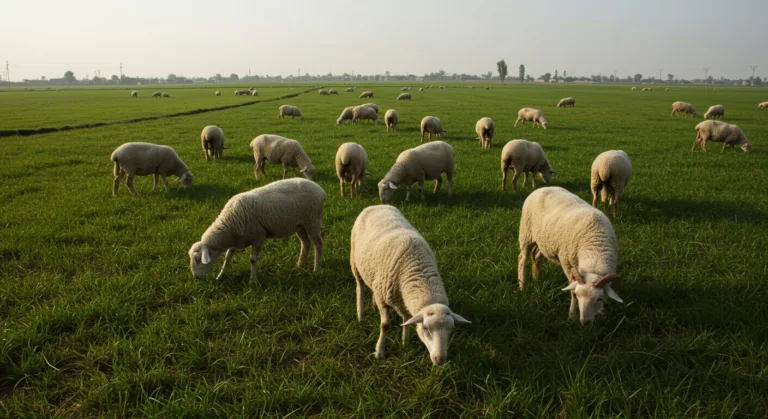
Picture this: a sheep with a snowy white body that’s as soft as your favorite blanket, but topped off with a head as dark as chocolate or midnight black. That’s the Bibrik at first glance, standing medium-sized and sturdy, like a reliable bike that’s great for long rides. They’re not huge like some giant farm animals, but at about 25 inches tall for the boys (rams) and 19 inches for the girls (ewes), they’re just right for zipping around a field without getting tired.
What makes them extra special? That fat tail! It’s like a built-in backpack full of energy reserves, storing fat to help them survive when food gets scarce in the dry lands. Farmers say it’s nature’s way of packing a snack for tough times, kind of like how you stash candy in your pocket for a long school day. And their wool? It’s coarse and tough, perfect for rugs or blankets that last forever, though it only gives about 1.7 kg per sheep, like a small pillow’s worth.
Did you know? Bibrik sheep have been around for ages in Pakistan, helping people for generations. They’re like the wise old friends of the farm, always ready with a story (or a woolly hug).
Where Do Bibrik Sheep Call Home? A Quick Trip to Baluchistan and Beyond
If Bibrik sheep could pick a vacation spot, it’d be the sunny, rugged hills of Baluchistan Province in Pakistan, especially around Loralai and Sibi districts. That’s their original playground, where the air is dry and the ground is rocky, like a giant sandbox adventure. These sheep love it there because they’re pros at handling heat and finding bits of grass in tough spots, almost like desert explorers in fuzzy coats.
But here’s the exciting part: farms like Multan Farms, down in the bustling city of Multan in Punjab, are bringing Bibrik sheep into the mix too. Multan Farms isn’t just about growing juicy mangoes or raising speedy ostriches, they’re all about smart animal breeding to help families start sheep farms right at home. Imagine a farm where the soil is rich from the Indus River, and Bibrik sheep munch on fresh green fodder, growing strong under the Pakistani sun. It’s like taking a city kid to the countryside for the first time, full of new discoveries.
Why does location matter? Well, Bibrik’s tough build lets them thrive in hot, dry places, but with good care, they can adapt to spots like Multan where there’s more water and crops. It’s a reminder that sometimes, the best adventures happen when you mix things up a little.
Why Bibrik Sheep Are Farm Favorites: Meat, Milk, and More Goodies
Okay, let’s get to the yummy stuff. Bibrik sheep are mostly raised for mutton, that tender meat that’s a star in Pakistani dishes like spicy kebabs or hearty stews. Adult rams tip the scales at around 37 kg, while ewes are about 31 kg, which means plenty of meals for a family barbecue. Think of them as nature’s walking pantry, turning grass into delicious protein without much fuss.
But they’re not one-trick ponies. Ewes give birth to usually one lamb at a time, and they’ve got enough milk to keep that little one chubby and happy, like a cozy mom with a bottomless bottle. That milk? It’s rich and great for cheese or just feeding the flock. And don’t forget the wool, even if it’s not super soft, it’s strong for weaving into tough fabrics that stand up to rough play.
At Multan Farms, they highlight Bibrik as one of the top picks for fattening up sheep, right alongside breeds like Balochi and Harnai. Why? Because with the right feed, these sheep pack on weight fast, turning a six-month-old into a feast-ready friend in no time. It’s like training for a race, but instead of running, they’re eating their way to the finish line. Fun fact: A well-fed Bibrik can gain weight quicker than you finish a video game level!
- Meat power: High-quality mutton for family meals.
- Milk magic: Enough for lambs and maybe some homemade yogurt.
- Wool wins: Coarse but durable for crafts.
Life on the Farm: A Day in the Bibrik World
Ever wondered what a Bibrik’s day looks like? It starts with breakfast in the pasture, nibbling on green grass and fodder, like you grabbing cereal before school. Farmers at places like Multan Farms make sure the herd has shady spots to chill during the hot afternoons, because these sheep hate overheating more than you hate homework on a sunny day.
Raising them isn’t rocket science, but it takes smarts. Pick healthy six-to-eight-month-olds that are all about the same size, so no big bully sheep hogs the food. Feed them a mix of grains and greens, and watch them grow like weeds after rain. Lambing season? That’s the best, with fluffy newborns bouncing around, learning to follow mom.
Multan Farms shares cool tips for starters: Start small with maybe 300 sheep, and build up as you learn. It’s like leveling up in a game, where each stage teaches you something new, from building fences to spotting when a sheep needs extra care. And the best part? These sheep are chill and easygoing, not prone to drama like some picky pets.
Did you know? In Baluchistan, Bibrik herds sometimes roam free-range, like a sheep version of a road trip, finding their own snacks along the way.
Fun Facts and Cool Stories: Bibrik Sheep Steal the Show
Let’s sprinkle in some wow moments to keep things lively. First off, that fat tail isn’t just for show, it’s packed with energy, helping Bibrik survive long dry spells without a single snack break. It’s like having a camel’s hump, but cuter and woollier!
Here’s a real-world tale: Imagine a young farmer in Multan inspired by Multan Farms’ guides. He starts with a handful of Bibrik lambs, fattens them up using local wheat scraps, and soon sells the meat at the market, earning enough for new school supplies for his siblings. That’s the power of these sheep, turning hard work into real wins, just like scoring the winning goal in a soccer match.
Another analogy: Bibrik wool is coarse, with fibers about 41.5 micrometers thick (that’s thinner than a pencil lead, but way tougher). It’s not for fancy sweaters, but for rugs that your grandma would love, durable enough for years of family game nights. And get this, Bibrik lambs weigh about 2.5 kg at birth, small as a bag of flour, but they grow fast with mom’s milk.
One more story from Pakistan’s farms: During festivals, Bibrik mutton stars in feasts, bringing people together like a big holiday potluck. It’s a reminder that food from animals like these isn’t just dinner, it’s a way to share joy.
Caring for Your Bibrik Crew: Tips Straight from the Pros
Want to play pretend farmer? Taking care of Bibrik sheep means keeping things clean and calm. Clean water daily, vaccines to fight off bugs, and a vet check-up now and then, like your annual doctor’s visit but with more baas. Multan Farms stresses picking the right breed for your spot, and Bibrik shines because they’re low-drama in Pakistan’s climate.
Group them smartly: Uniform ages mean fair shares of food, avoiding fights like kids arguing over the last cookie. Feed a balanced mix, and you’ll see them thrive. Pro tip: Shade and space prevent stress, keeping your flock happy as a puppy with a new toy.
Challenges? Hot summers can be tough, but with Multan-style irrigation, it’s no biggie. It’s all about balance, like riding a bike, steady and fun once you get the hang of it.
Wrapping Up the Bibrik Adventure: Why These Sheep Rock Your World
So, there you have it, the full scoop on Bibrik sheep: tough desert dwellers with white coats, dark heads, and tails full of survival smarts, perfect for meat, milk, and more on farms like Multan Farms. We’ve roamed their Baluchistan homes, peeked at daily farm life, and laughed over fun facts that make them unforgettable. These aren’t just animals, they’re bridges to fresh food, family traditions, and even cool business starts in sunny Pakistan.
Why should you care? Because understanding breeds like Bibrik shows how farming connects us all, from your dinner plate to far-off fields. It matters for feeding the world smartly and kindly. Next time you see a sheep pic, will you spot the Bibrik traits and smile? Or maybe sketch your dream farm, Bibrik flock and all. What’s your first move if you had a patch of land? Go on, dream big, the pasture’s waiting!