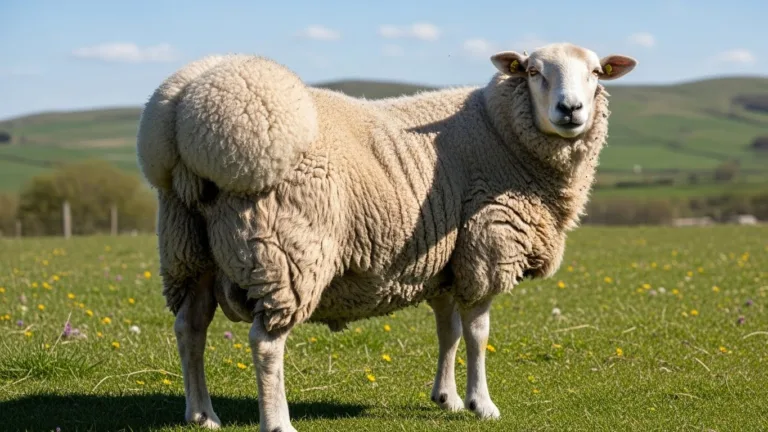
Picture this: you’re at a farm, and you spot a fluffy white sheep with a head that’s all black or brown, like it dipped its face in chocolate. But wait, what’s that weird, wobbly lump at the end of its tail? It’s not a backpack, it’s actually fat stored there, like a built-in energy bar for tough times. Meet the Bibrik sheep, Pakistan’s tough little survivor from the wild lands of Baluchistan. These aren’t your fluffy petting zoo lambs, they’re real-deal farm heroes that help feed families and keep traditions alive. Ready to learn why Bibrik sheep are like the superheroes of Pakistan’s farms? We’ll chat about where they come from, what makes them special, and even how places like Multan Farms are giving them a boost. By the end, you’ll be spotting Bibrik sheep in your dreams!
Where Did These Fluffy Wanderers Come From?
Bibrik sheep didn’t just pop up overnight, they’ve been roaming Pakistan’s rugged hills for ages. They hail from Baluchistan, that big, sandy province in the southwest where the sun beats down hard and water is sometimes hard to find. Think of it like the desert version of a video game level, full of challenges that only the toughest players survive. Farmers in districts like Loralai and Sibi have raised them for generations, passing down tips on how to keep them happy and healthy.
These sheep are part of Pakistan’s fat-tailed crew, a group of about 15 breeds that store extra fat in their tails instead of all over their bodies. It’s like having a camel’s hump, but cuter and woollier. Did you know Pakistan has over 30 sheep breeds in total? Bibrik is one of the stars in Baluchistan, with a population that’s growing because smart farmers see their value. They’re not just hanging out in the wild anymore, though, they’re making their way to farms across the country.
What’s the Deal with That Fat Tail?
Okay, let’s zoom in on the star feature: the fat tail. Imagine if you could store snacks in your pants pocket for a long school day. That’s what Bibrik sheep do with their tails, they pack away fat to use when food gets scarce, like during dry spells in Baluchistan. This tail can get pretty big, sometimes weighing as much as a couple of pounds, and it’s all energy reserve. When times are tough, the sheep burn it off slowly, staying strong without needing constant meals.
This isn’t just a quirky look, it’s a survival hack. In hot, dry areas where grass might vanish for months, that tail keeps moms nursing their lambs and everyone moving. It’s like nature’s cheat code for desert living! And here’s a fun fact: not all sheep have fat tails, only about half of Pakistan’s breeds do, making Bibrik part of an exclusive club.
What Do Bibrik Sheep Look Like Up Close?
Spotting a Bibrik sheep is easy once you know the signs. They’re medium-sized, not giants like some woolly monsters, but sturdy enough to handle rough terrain. Picture a body about the size of a big dog, covered in white wool that’s coarse, like a fuzzy towel you wouldn’t want to dry your face with. Their heads? Bold and dark, usually black or brown, with ears that flop a bit and eyes that say, “I’ve seen some stuff.”
Rams (the boy sheep) might have curly horns twisting back like a superhero’s helmet, while ewes (the girls) are usually horn-free and a tad smaller. Mature guys weigh around 40 kilograms, and ladies hit about 31, which is like carrying a couple of school backpacks stacked together. They’re built tough, with strong legs for climbing rocky hills, kind of like if your sneakers grew into hiking boots.
Did you know their wool isn’t super soft? It yields just 1.7 kilograms per sheep, with thick fibers about 41.5 micrometers wide, perfect for carpets rather than cozy sweaters. But hey, who needs fluffy when you’re a desert champ?
Why Are Bibrik Sheep the MVP of Meat Production?
If Bibrik sheep had a business card, it’d say “Meat Specialist Extraordinaire.” They’re bred mainly for mutton, that tasty lamb or sheep meat you might see at family feasts or Eid celebrations. Starting as lambs, they grow fast, packing on weight quickly with the right feed, turning into juicy cuts that families love. At Multan Farms, they recommend Bibrik for fattening projects because they’re efficient eaters and put on muscle without much fuss.
Think of them like the reliable pickup truck of the farm world, hauling in the goods without breaking down. A six-month-old Bibrik lamb can gain weight steadily, reaching market size in just a few months of good care. And they’re not one-trick ponies, their milk has about 6.5% fat, enough to feed a lamb well or even make simple cheese at home.
But meat’s the main gig. In Pakistan, sheep like Bibrik help provide protein for millions, especially in rural spots where fresh veggies aren’t always around. One healthy flock can mean a big difference for a farmer’s income.
Life on the Farm: Raising These Woolly Wonders
Ever thought about what it takes to raise a Bibrik? It’s like training a team for a soccer match, lots of practice and teamwork. Farmers start with healthy lambs from trusted sources, maybe even government stations in Loralai where Bibrik bloodlines are pure. They need space to roam, a mix of grass, grains, and minerals, plus clean water, especially in Baluchistan’s heat.
At places like Multan Farms in Punjab, they’re all about smart setups. A good farm might house 300-400 sheep in shaded pens, with separate areas for moms and babies. Vaccinations keep bugs and sickness away, and regular shearing (once a year) prevents wool from getting too heavy. It’s hands-on, but rewarding, like leveling up in your favorite game.
Here’s a quick list of farm must-dos for Bibrik success:
- Feed smart: Green fodder in summer, hay in winter to build that tail fat.
- Breed wisely: One lamb per ewe is normal, but good rams boost healthy flocks.
- Watch the weather: Shade and fans in hot months, windbreaks in cooler ones.
Transitioning to breeding, scientists are even studying their genes to make stronger lines, ensuring Bibrik stick around for generations.
The Secret Superpowers: How Bibrik Sheep Beat the Heat
Bibrik aren’t just pretty faces (or tails), they’re built for battle against Pakistan’s wild weather. That coarse wool acts like a shield, trapping cool air and blocking sun, while their fat reserves are like an emergency snack stash during droughts. They’re hardy, resisting common sheep bugs better than fancy imports, which saves farmers money on vet bills.
Imagine them as the Indiana Jones of sheep, trekking through dusty valleys without complaining. Studies show their genes have cool tweaks, like variations in the vertnin gene that help them adapt to diverse spots in Baluchistan. This toughness makes them perfect for small farms or even city-edge operations.
Fun fact: Genetic tests reveal Bibrik have diverse DNA, like a big family reunion with unique stories, helping breeders mix in strengths from other breeds without losing their desert mojo. It’s science making farming even cooler.
From Farm to Table: Why Bibrik Matter in Pakistan
So, why should you care about these tail-waggers? Bibrik sheep are quiet heroes in Pakistan’s story, providing meat for holidays, wool for rugs, and jobs for thousands of farmers. In a country where sheep farming supports over 5 million people, breeds like Bibrik keep traditions and tummies full. At Multan Farms, they’re pushing for better fattening programs, turning young Bibrik into quick cash cows for new farmers.
They’re also eco-friendly pals, grazing on tough lands that crops can’t handle, preventing soil from going bare. Plus, with climate change making deserts thirstier, Bibrik’s survival skills are more valuable than ever. It’s like they’re the green team in a world that’s heating up.
Wrapping Up the Woolly Adventure
From their chunky tails to their desert-tough vibes, Bibrik sheep are Pakistan’s gift that keeps on giving, dishing out meat, milk, and wool while thriving where others might quit. We’ve seen how they’re raised, why they’re champs at fattening, and the genetic smarts that keep them going strong. Places like Multan Farms are all in, showing how a little know-how turns these sheep into farm gold.
Next time you munch on some mutton or spot a white sheep with a dark head, think of the Bibrik hustling in Baluchistan. They’re a reminder that cool animals aren’t just in zoos, they’re right here shaping our food and farms. So, what’s your move, future farmer? Would you try raising a Bibrik flock, or just visit one at a market? The woolly world is waiting for your next step!