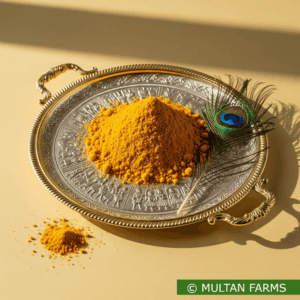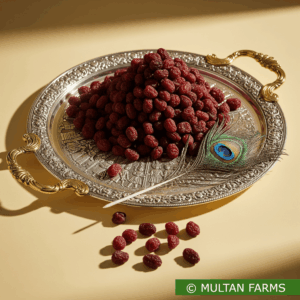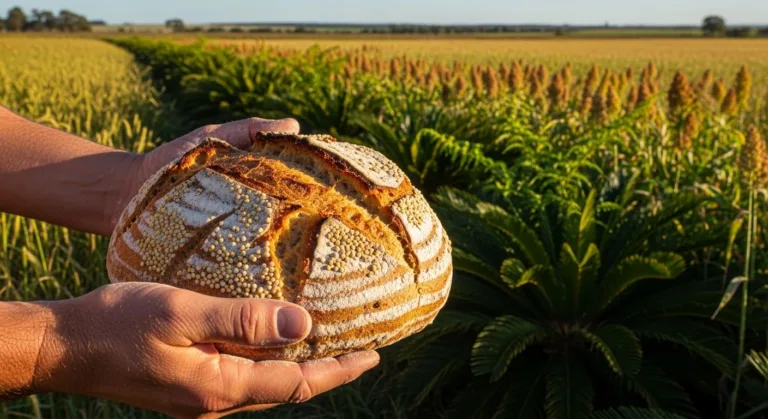
Yes, you heard that right! The flour that makes your soft naan, crispy paratha, and fluffy roti might come from a plant that dinosaurs munched on millions of years ago. That magical powder is called jou flour, also known as sorghum flour, and it’s quietly becoming one of the coolest grains in Pakistan. Come with me, and let’s discover why this ancient super-grain is making a huge comeback on farms like Multan Farms!
You’re probably thinking, “Wait, I only know wheat flour!” That’s okay. Most people do. But jou flour is different, tougher, and honestly a little bit like the superhero version of regular flour. Ready to meet it?
What Exactly Is Jou (Sorghum)?
Jou, or sorghum, is a tall grass that looks like corn but with big bunches of tiny seeds at the top instead of corn cobs. Those seeds get dried and ground into fine powder, and boom, you’ve got jou flour! It’s naturally gluten-free, which means people who can’t eat normal wheat bread can finally enjoy roti again.
Did you know? Sorghum is one of the top five most important crops in the world, and it can grow where wheat gives up and says “too hot, too dry!”
Why Is Jou Flour Basically a Superhero Grain?
Imagine a plant that laughs at drought, doesn’t need tons of fertilizer, and still gives you loads of food. That’s jou. While wheat plants get sad and wilt when rain forgets to visit Punjab or Sindh for weeks, jou just shrugs and keeps growing. Its roots dig super deep, like straws reaching for underground water that other plants can’t find.
It’s like the camel of crops, it stores water and energy so well that farmers love planting it even when the weather acts crazy.
What Does Jou Flour Taste Like?
Okay, honest talk: pure jou flour tastes a tiny bit nutty and earthy, kind of like if whole-wheat flour and corn flour had a baby. Some people love it right away, others need to mix it with wheat flour the first few times. But when you make roti or bhakri with it, it turns out soft inside and slightly crispy outside. Yum!
Real-life taste test: At Multan Farms, they make jou cookies that taste like slightly sweeter digestive biscuits. Kids fight over them at the farm shop!
How Do Farmers Turn Jou Seeds into Flour?
- They plant tiny black or white jou seeds in neat rows.
- The plants grow taller than your dad in just a few months.
- When the seed heads turn golden-brown, farmers harvest them with machines or by hand.
- The seeds get cleaned, dried in the sun, and then taken to a mill.
- Giant grinding stones or machines crush them into super-fine powder, and that’s the jou flour you buy!
It’s basically the same journey wheat takes, but jou is way tougher during the growing part.
Amazing Things You Can Cook with Jou Flour
- Roti and bhakri that stay soft even hours later (perfect for lunch boxes)
- Crispy pakoras that don’t soak up too much oil
- Sweet laddoos and halwa that taste like dessert from your nani’s village
- Pancakes and cakes for people who can’t eat gluten
- Even pizza crust that doesn’t fall apart
Next time you see “jou ka atta” in the store, grab a packet and try making rainbow-colored roti by adding spinach or beetroot juice. Your friends will think you’re a kitchen wizard!
Why Jou Flour Is a Friend to Planet Earth
Regular wheat needs lots of water and chemicals to grow big and strong. Too much of that hurts rivers and soil after a while. Jou needs way less water and almost no chemical fertilizers. That means cleaner rivers, happier birds, and farmers spending less money.
One hectare of jou uses about half the water that wheat needs. That’s like saving enough water to fill hundreds of swimming pools every season!
Is Jou Flour Healthier Than Normal Flour?
It’s packed with good stuff your body loves:
- Extra fiber that keeps your tummy happy and helps you poop regularly (yes, I said it)
- Iron that gives you energy to run faster in P.T class
- Antioxidants that fight off sickness like tiny superheroes inside you
- Protein to help your muscles grow strong
Doctors say it can even help control blood sugar, so it’s awesome for people with diabetes.
The Future Looks Bright (and Tastes Like Jou Roti)
More and more Pakistani farmers are falling in love with jou again. Places like Multan Farms are growing big patches of white and red jou varieties that make the lightest, fluffiest flour. Scientists are even making new types that cook even faster.
One day soon, your school canteen might serve jou paratha with aloo bhaji, and you’ll be eating something your great-great-grandparents ate hundreds of years ago, just way cooler now.
So next time you tear off a piece of hot roti, think about this tough little grain that survived dinosaurs, droughts, and everything in between. Pretty awesome, right? Maybe grab your mom or dad and ask if you can try baking jou cookies this weekend. Who knows, you might start a jou revolution in your own kitchen!