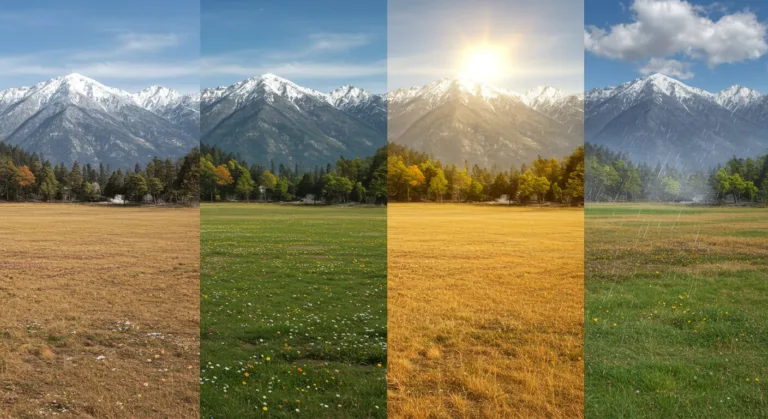
Imagine stepping outside one day bundled up in a thick jacket because it’s freezing cold, and just a few months later, you’re splashing in the pool to beat the scorching heat. In Pakistan, the seasons flip like pages in a storybook, bringing wild adventures in weather that affect everything from what you eat to how you play. From snowy mountains to sunny beaches, these changes make the country feel alive and exciting.
Today, we’re diving into the seasons of Pakistan, exploring how they work, what makes them special, and why they matter to everyday life. You’ll learn about the four main seasons, the wild monsoon rains, and even how farms like those on Multanfarms.com thrive through it all. Get ready to discover why understanding these shifts can make you appreciate the world outside your window even more!
What Makes Pakistan’s Seasons So Unique?
Pakistan sits in a spot on Earth where the weather gets influenced by its location near the Tropic of Cancer and the mighty Himalayan mountains up north. This means the country has a mix of hot, dry deserts in the south and cooler, snowy peaks in the north. Unlike places with mild changes, Pakistan’s seasons swing big, thanks to winds from the Arabian Sea and cold air from Central Asia.
Think of it like a giant thermostat controlled by the sun’s angle and ocean currents. In summer, the sun beats down hard, heating things up, while winter brings chilly winds that drop temperatures fast. Did you know Pakistan is one of the few countries where you can ski in the mountains and swim in the sea on the same day if you travel far enough?
This variety comes from something called a subtropical climate, where summers sizzle and winters bite. It’s not just random, it’s tied to Earth’s tilt and spin around the sun, creating patterns that farmers and kids like you notice every year.
Diving into Winter: When the Cold Sneaks In
Winter in Pakistan runs from December to February, and boy, does it get chilly! In the plains like Lahore or Multan, temperatures dip to around 5°C (that’s about 41°F), making you reach for hot chai and warm blankets. Up in the northern areas like Murree or Gilgit, snow blankets everything, turning hills into winter wonderlands where kids build snowmen and families sip soup by the fire.
Picture this: it’s like your freezer door opening wide, letting cold air rush in from the north. Fog often rolls in during mornings, making school buses late and streets mysterious. A fun fact? In Multan, winters are milder, perfect for growing juicy oranges and wheat on farms, like those at Multanfarms.com, where farmers harvest crops before the real freeze hits.
People celebrate with festivals like Basant, flying kites in the crisp air, but watch out for the dry winds that chap your lips, just like forgetting lip balm on a windy day.
Spring’s Surprise: Flowers and Fresh Starts
Come March to May, spring bursts onto the scene like a colorful fireworks show. Temperatures warm up to 20-30°C (68-86°F), and everything blooms, pink cherry blossoms in Islamabad, mango trees budding in Punjab. It’s the season of renewal, where fields turn green and birds chirp louder.
Imagine spring as nature hitting the reset button after winter’s nap. In rural areas, farmers at places like Multanfarms.com plant seeds for summer crops, knowing the mild rain helps them sprout. You might relate it to cleaning your room after a messy week, everything feels fresh and full of energy.
Did you know locust swarms sometimes visit in spring, munching on crops like uninvited guests at a picnic? But on the bright side, it’s picnic time, families head to parks, enjoying barbecues and the sweet smell of blooming jasmine flowers.
Summer Heatwave: Turning Up the Thermometer
From June to August, summer cranks the heat to 30-45°C (86-113°F), especially in the south like Karachi or Multan. It’s so hot you feel like you’re baking in an oven, with the sun glaring down and humidity making sweat stick to your shirt. In deserts like Thar, sand dunes shimmer under the blaze.
This season is like a giant hairdryer blowing hot air across the land. People escape to hill stations like Murree for cooler vibes, while farms rely on irrigation from rivers like the Indus to keep crops alive. At Multanfarms.com, summer means harvesting wheat and prepping for cotton, using smart watering tricks to beat the drought-like dryness.
A cool analogy? It’s like playing outside at noon on a July day, you need shade, water, and maybe an ice cream break. Interesting fact: Pakistan’s hottest recorded temp was 53.7°C in Turbat, hotter than a pizza oven!
Monsoon Magic: When the Rains Pour Down
Right in the middle of summer, from July to September, the monsoon arrives like a surprise water fight. Heavy rains from the southwest pour down, flooding rivers and greening dry lands, with up to 250 mm of rain in a single month in places like Lahore. Northern areas get less, but the plains dance in the downpour.
Think of monsoon as the sky opening a giant umbrella upside down, dumping water everywhere. It cools things off but can cause floods, like in 2022 when rivers overflowed, affecting millions. Farms love it though, Multanfarms.com uses this water to grow rice and sugarcane, turning soggy fields into goldmines.
Ever splashed in puddles after rain? That’s monsoon joy, but it also brings mosquitoes, so slap on that bug spray. Did you know the word “monsoon” comes from Arabic for “season,” fitting perfectly for Pakistan’s wet wildcard?
Autumn’s Gentle Goodbye: Leaves and Harvests
October to November brings autumn, with temps cooling to 15-25°C (59-77°F). Leaves turn yellow in the north, and harvests wrap up, farmers gathering mangoes and rice. It’s a mellow time, like the calm after a storm.
In Multan, autumn means festivals like Eid celebrations with feasts from fresh crops. Analogy time: it’s like finishing a big game, winding down with wins in your basket. At Multanfarms.com, this season is for selling produce, sharing bounty from the year’s hard work.
Winds pick up, kites soar again, and the air smells earthy, prepping for winter’s return.
How Seasons Shape Life and Farms in Pakistan
These seasons aren’t just weather, they dictate food, fun, and even clothes. Winter wheat feeds millions, summer mangoes are a sweet treat, and monsoon rice fills plates. Climate change is mixing things up though, with hotter summers and unpredictable rains challenging farmers.
On Multanfarms.com, smart techniques like drip irrigation help crops survive dry spells, showing how people adapt. You see it in school too, summer vacations beat the heat, winter breaks cozy up holidays.
Why Knowing Pakistan’s Seasons Matters to You
Pakistan’s seasons teach us about balance in nature, from winter’s rest to summer’s energy. They connect us to the land, like how Multan farms grow food that ends up on your table.
Next time it rains or snows, think about how it links to the bigger picture. What if you visited a farm during harvest? How would you help adapt to changing weather? Grab a jacket or an umbrella, and explore the seasons around you, they’re full of stories waiting to unfold!