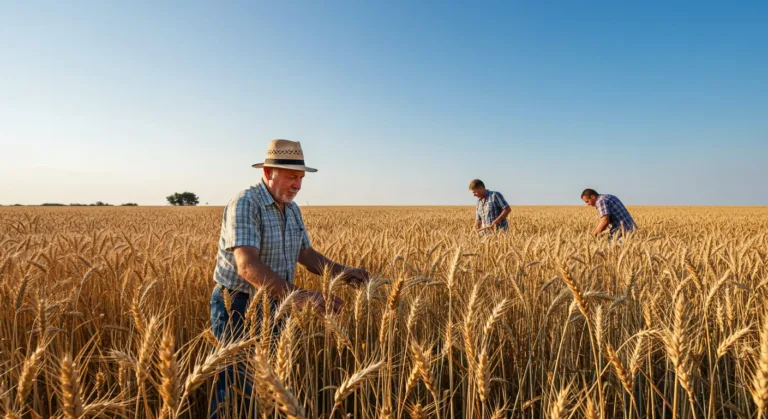
Imagine you’re walking through a golden wheat field, the stalks swaying gently in the breeze, ready to be harvested into the bread you eat every day. But what happens when those tall, proud wheat plants suddenly flop over, lying flat on the ground? That’s called lodging, and it’s a big problem for farmers, especially here at Multanfarms.com, where we’re all about growing healthy crops. Lodging can ruin a wheat crop, making it hard to harvest and lowering the amount of grain farmers can sell. In this article, you’ll learn why wheat sometimes falls over, how farmers can stop it, and why it matters for the food on your table.
So, why should you care about wheat lodging? Well, think about your favorite pizza or spaghetti—those start with wheat! By understanding how farmers prevent lodging, you’ll see how they work hard to make sure we have enough food. Let’s dive into the world of wheat and discover some cool tricks farmers use to keep their crops standing tall.
What Is Lodging, Anyway?
Lodging happens when wheat stalks bend or break and fall flat on the ground, kind of like when you accidentally knock over a stack of books. It’s not just a messy field—it’s a problem because it makes harvesting tricky, and the wheat grains might get damaged or even start to rot. Lodging usually happens when the wheat gets too tall, the wind blows hard, or heavy rain weighs down the stalks.
Picture this: you’re building a tower with straws, but if it gets too tall or you bump it, the whole thing collapses. That’s what wheat faces in a stormy field! Farmers want their wheat to stay upright so machines can easily cut it and turn it into flour for your bread, cereal, or cookies.
Why Does Wheat Fall Over?
There are a few reasons wheat might lodge, and it’s like figuring out why a tree falls in a storm. First, if the wheat grows super tall and the stalks aren’t strong enough, they can’t hold up the heavy grain heads at the top. Second, too much rain or wind can push the plants over, especially if the soil is soft and mushy. Finally, if farmers use too much fertilizer, the wheat might grow too fast and become weak, like when you eat too much candy and feel wobbly.
Did you know? In places like Multan, where it gets super hot and sometimes rainy, wheat lodging is a big challenge because the weather can be unpredictable. Farmers have to be like detectives, figuring out what’s making their wheat weak and how to fix it.
Picking the Right Wheat: Stronger Stalks Save the Day
One way farmers prevent lodging is by choosing special kinds of wheat that are naturally tougher. These wheat varieties are shorter and have thicker, stronger stalks, kind of like choosing a sturdy umbrella that won’t flip inside out in the wind. Scientists and farmers work together to breed these dwarf wheat varieties, which are less likely to fall over even in stormy weather.
For example, at Multanfarms.com, farmers might pick a wheat type called “Seher-06,” a variety known in Pakistan for its strong stalks. By planting the right kind of wheat, farmers can avoid lodging before it even starts. It’s like picking a superhero wheat plant that can stand up to anything!
Feeding Wheat Just Right
You know how eating too much junk food can make you feel sluggish? Wheat plants can get “overfed” too! If farmers use too much nitrogen fertilizer, the wheat grows tall and leafy but weak, making it more likely to lodge. To prevent this, farmers carefully measure how much fertilizer they use, kind of like how your parents measure ingredients when baking a cake.
At Multanfarms.com, farmers test the soil to see what nutrients it already has. Then, they add just the right amount of fertilizer to keep the wheat healthy but not too tall. This balance helps the stalks stay strong, so they can hold up the grain even when the wind blows.
Timing Is Everything: Planting Smart
When farmers plant wheat can make a big difference in preventing lodging. If they plant too early or too late, the wheat might grow at the wrong time and get hit by bad weather, like heavy rain or strong winds. It’s like planning a picnic—you want to pick a day when the weather’s just right.
In Multan, farmers often plant wheat in November to avoid the rainy season that could make the soil too wet and cause lodging. By timing their planting carefully, they give the wheat the best chance to grow strong and stay upright. Fun fact: Timing planting right is like setting your alarm clock to wake up at the perfect time for school!
Giving Wheat Some Elbow Room
Have you ever been in a super crowded room where you can barely move? Wheat plants don’t like being crowded either! If farmers plant wheat seeds too close together, the plants compete for sunlight, water, and nutrients, making them tall and spindly—and more likely to fall over. To fix this, farmers space out the seeds just right, giving each plant enough room to grow strong.
Think of it like arranging desks in a classroom. If everyone’s squished together, it’s chaos, but with enough space, everyone’s happy. At Multanfarms.com, farmers use machines to plant seeds at the perfect distance, helping the wheat grow sturdy and resist lodging.
Using Science to Fight Lodging: Growth Regulators
Farmers sometimes use special chemicals called plant growth regulators to keep wheat from growing too tall. These chemicals are like a coach telling the wheat, “Slow down, buddy, you don’t need to be a giant!” They make the stalks shorter and stronger, so they’re less likely to flop over in the wind.
For example, a growth regulator called “Cycocel” is sometimes used in wheat fields. It’s applied carefully, like putting just the right amount of syrup on your pancakes. This science trick helps farmers at Multanfarms.com keep their wheat standing tall, even in tough weather.
Why Preventing Lodging Matters to You
So, why should you care about wheat lodging? Because wheat is a superhero ingredient in so many foods you love—think bread, pasta, and even the crust on your pizza! When wheat lodges, farmers lose crops, which means less food for everyone and higher prices at the store. By preventing lodging, farmers at Multanfarms.com make sure there’s enough wheat to keep your favorite foods on the table.
Next time you bite into a sandwich or a cookie, think about the hard work farmers put into keeping their wheat standing tall. What can you do to learn more about where your food comes from? Maybe visit a local farm or ask your family to try growing a small plant at home to see how it works!