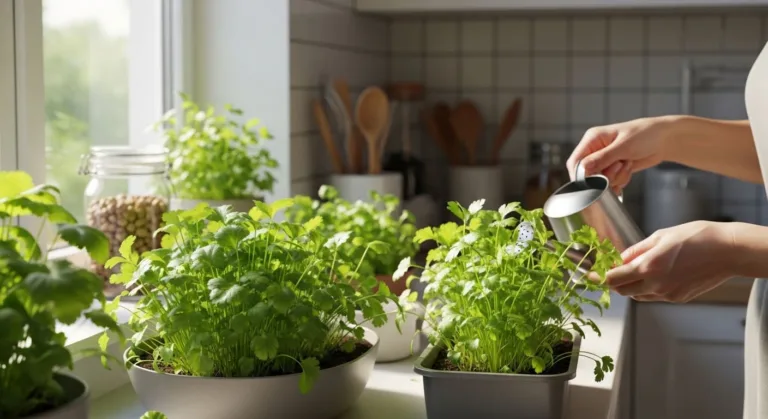
Have you ever noticed how a sprinkle of fresh coriander (also called cilantro) can completely transform a dish? That bright, citrusy flavor can make tacos pop, turn plain rice into something special, and add that perfect finishing touch to curry. But here’s the thing: buying fresh coriander from the store can be frustrating. Half the time it’s wilted, and the other half you use just a tiny bit before the rest turns into green mush in your fridge. Sound familiar?
What if I told you there’s a super easy solution that’ll save you money and give you the freshest coriander possible? You can grow it right at home! Whether you live in an apartment with just a sunny windowsill or have a backyard in Multan, growing coriander is one of the easiest gardening projects you can tackle. Seriously, if you can remember to water a plant and give it some sunlight, you can grow coriander.
In this article, we’re going to walk through everything you need to know about growing coriander at home. From choosing the right pot to harvesting your first batch of leaves, you’ll discover that having a constant supply of fresh herbs is way easier than you ever imagined. Ready to become a coriander-growing expert? Let’s dig in!
Why Growing Coriander at Home Is Such a Great Idea
Before we jump into the how-to part, let’s talk about why growing coriander at home is actually pretty brilliant. First off, coriander is what gardeners call a “fast grower.” This means you won’t be waiting months to see results. Plant seeds today, and in just three to four weeks, you’ll be snipping off fresh leaves for your meals. That’s faster than waiting for your birthday to roll around!
Second, coriander is incredibly forgiving, especially for beginners. Unlike some fussy plants that need perfect conditions, coriander is pretty chill about things. Give it decent soil, some water, and light, and it’ll happily grow for you. It’s like the low-maintenance friend who’s always easy to hang out with.
Third, and this is a big one, homegrown coriander tastes so much better than store-bought. The flavor is more intense, the leaves are crisper, and you get that satisfying feeling of eating something you grew yourself. Plus, you’ll save money in the long run. A small packet of seeds costs less than buying fresh coriander bunches multiple times throughout the year!
Getting Started: What You’ll Need
Growing coriander doesn’t require a ton of fancy equipment or expensive supplies. In fact, you probably have some of these things lying around your house already. Let’s break down what you’ll need to get your coriander garden started.
Container or pot: Coriander doesn’t need a huge pot. A container that’s about 8 to 10 inches deep and 8 to 12 inches wide works perfectly. The depth is important because coriander grows a long taproot (kind of like a carrot) that needs room to stretch out. Make sure your pot has drainage holes at the bottom, otherwise, your plants might get “wet feet” and rot.
Good quality soil: Don’t just dig up dirt from outside and call it a day! Use a proper potting mix that’s light and fluffy. Coriander likes soil that drains well but still holds some moisture. Think of it like a sponge that releases water slowly rather than staying soaked or drying out instantly.
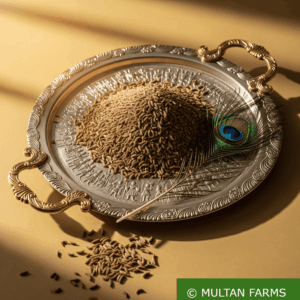
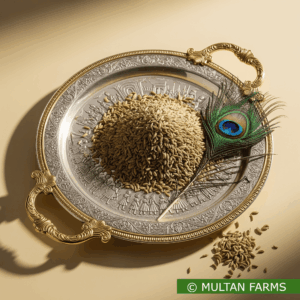
Coriander seeds: You can buy these from any garden center or even use the whole coriander seeds from your kitchen spice rack! Just make sure they’re fresh. Old seeds might not sprout as reliably. Some people at Multanfarms.com recommend crushing the seeds lightly before planting to help them germinate faster, but this isn’t absolutely necessary.
Sunlight or a bright location: Coriander needs light, but here’s something interesting: it doesn’t want to bake all day in intense heat. About 4 to 6 hours of sunlight is perfect. A windowsill that gets morning sun or a spot with filtered afternoon light works great.
Planting Your Coriander Seeds
Now comes the fun part, actually planting! This process is so simple that you’ll wonder why you didn’t start sooner. First, fill your pot with the potting mix, leaving about an inch of space at the top. Give the soil a good watering so it’s moist but not soggy. You want it to feel like a wrung-out sponge.
Next, sprinkle your coriander seeds over the surface of the soil. You don’t need to space them out perfectly or worry too much about exact measurements. Aim for about half an inch between seeds if you want to be precise, but honestly, a generous sprinkle works fine. Coriander doesn’t mind being planted a bit close together.
Cover the seeds with about a quarter to half an inch of soil. Not too deep! Think of it like tucking them in with a light blanket, not burying them under a pile of heavy compost. Pat the soil down gently and give it another light watering using a spray bottle or a watering can with a gentle sprinkle setting. You don’t want to blast those seeds away with a strong stream of water!
Here’s a cool trick: cover your pot with plastic wrap or a clear plastic bag for the first few days. This creates a mini greenhouse effect that keeps moisture in and helps seeds sprout faster. Once you see little green shoots popping up (usually within 7 to 10 days), remove the covering and let your seedlings breathe.
Caring for Your Growing Coriander Plants
Congratulations! Once those green shoots appear, you’re officially a coriander grower. But your job isn’t quite done yet. Let’s talk about how to keep your plants happy and productive.
Watering wisely: This is where a lot of beginners mess up. Coriander likes consistent moisture but hates sitting in water. The goal is to keep the soil evenly moist, kind of like a damp towel. Check the soil with your finger, if the top inch feels dry, it’s time to water. In hot weather, this might be every day. In cooler conditions, every two to three days might be enough.
Thinning out seedlings: About two weeks after sprouting, you’ll notice your pot looks pretty crowded. This is normal! Now you need to thin them out, which means removing some plants so others have room to grow properly. Keep the strongest-looking seedlings and snip away the weaker ones, leaving about 2 to 3 inches between plants. I know it feels weird to remove perfectly good plants, but trust me, the remaining ones will grow much better with the extra space.
Feeding your plants: Coriander isn’t super hungry, but a little fertilizer never hurts. Once your plants are about 3 inches tall, you can give them some diluted liquid fertilizer every couple of weeks. Think of this like giving them vitamins to boost their growth!
Dealing with Common Challenges
Even though coriander is pretty easy to grow, you might run into a few hiccups along the way. Let’s tackle the most common problems so you’re prepared.
Bolting is probably the biggest issue with coriander. This is when the plant suddenly shoots up tall and starts producing flowers and seeds instead of leaves. It’s basically the plant’s way of saying, “I’m done being a leafy herb, time to make babies!” This happens when temperatures get too hot or when the plant experiences stress. To prevent bolting, keep your coriander in a cooler spot and harvest leaves regularly. If it does bolt, don’t panic! You can collect the seeds (which are the spice coriander we use in cooking) or just plant new seeds and start fresh.
Yellowing leaves usually mean you’re either overwatering or underwatering. Check your soil moisture and adjust accordingly. If the soil is soggy, let it dry out a bit. If it’s bone dry, increase your watering frequency.
Leggy, weak plants that seem to be reaching desperately for light probably aren’t getting enough sun. Move your pot to a brighter location, but remember that coriander prefers cooler, indirect light rather than blazing afternoon sun.
Harvesting Your Homegrown Coriander
This is the moment you’ve been waiting for! About three to four weeks after planting (sometimes sooner in warm conditions), your coriander plants should be about 4 to 6 inches tall with plenty of leaves. That’s harvest time!
Here’s the right way to harvest: use scissors or pinch off leaves from the outside of the plant, starting with the older, lower leaves. Never take more than about one-third of the plant at a time. This way, the plant keeps growing and producing more leaves for you. It’s like giving your plant a haircut instead of shaving it bald!
The best time to harvest is in the morning after any dew has dried but before the day gets hot. This is when the leaves have the most flavor and moisture. Rinse your harvested coriander gently under cool water, pat it dry, and use it immediately for maximum freshness. The flavor difference between your homegrown coriander and store-bought is going to blow your mind!
Here’s a pro tip from experienced growers: don’t wait until you need a ton of coriander for a recipe. Instead, harvest small amounts regularly. This actually encourages the plant to produce more leaves and prevents it from getting woody or deciding to bolt.
Keeping the Harvest Going
One of the coolest things about growing coriander at home is that you can have a continuous supply if you’re smart about it. Here’s the secret: don’t plant all your seeds at once. Instead, do what’s called succession planting. Plant a new batch of seeds every two to three weeks.
This way, while one batch is mature and ready to harvest, another batch is just sprouting, and a third might be halfway grown. You’ll basically have coriander at different stages all the time, ensuring you never run out. It’s like having a coriander assembly line right in your home!
Also, coriander grows best in cooler weather. If you live somewhere with hot summers, grow it in spring and fall, or keep it in the coolest, most shaded spot you have during summer. In cooler climates, you can grow it almost year-round indoors on a windowsill.
Making Your Coriander Journey Successful
Growing coriander at home really is one of the most rewarding gardening experiences you can have. It’s quick, it’s easy, and the results are immediately useful in your kitchen. Whether you’re adding fresh leaves to your favorite curry, sprinkling them over tacos, or making a batch of tangy chutney, having homegrown coriander on hand transforms your cooking.
Remember, gardening is a learning experience. Your first batch might not be perfect, and that’s totally okay! Each time you plant, you’ll get better at understanding what your plants need. Pay attention to how they respond to different amounts of water and light, and adjust accordingly. Before you know it, you’ll be the person everyone asks for gardening advice!
So what are you waiting for? Grab a pot, some soil, and a handful of seeds, and start your coriander growing adventure today. In just a few weeks, you’ll be snipping fresh herbs for your meals and feeling pretty proud of yourself. Who knows, maybe coriander will be just the beginning of your home gardening journey! What will you grow next?