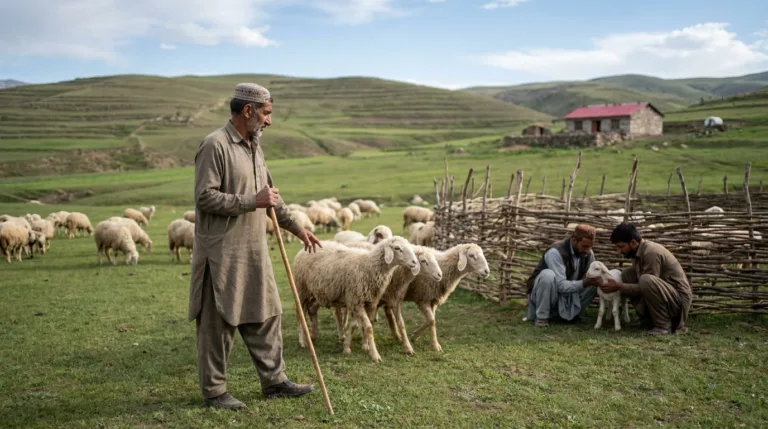
Imagine waking up before sunrise, pulling on your boots, and heading out to check on a flock of fluffy sheep grazing peacefully in the morning light. Sounds pretty cool, right? Well, that’s the life of a sheep farmer! But sheep farming isn’t just about watching cute animals munch grass all day. It’s actually a complex, fascinating business that’s been around for thousands of years and feeds millions of people around the world.
The region that’s now Pakistan has been home to sheep farming for over 5,000 years, with archaeological evidence showing that ancient civilizations in the Indus Valley were already raising sheep when the pyramids of Egypt were being built. That’s seriously ancient! In Pakistan, sheep farming and goat farming are among the most profitable farm animal businesses that require relatively low funding. Farmers at places like Multanfarms.com continue this ancient tradition today using modern techniques. Multan FarmsMultan Farms
In this article, we’ll dive into the amazing world of sheep farming. You’ll learn what it takes to start a sheep farm, why different breeds matter, how farmers take care of their flocks, and why sheep are so important to Pakistan’s economy. Trust me, by the end of this, you’ll see sheep in a whole new light!
Why Do Farmers Choose to Raise Sheep?
Before we jump into the “how,” let’s talk about the “why.” Sheep are versatile livestock that can produce meat, wool, milk, and breeding stock, and they are well-suited for both small farms and larger commercial operations. That’s like having one animal that can give you four different products! Talk about multitasking. Farmkeep
Think of sheep as the Swiss Army knife of farm animals. Farmers can sell lamb meat to restaurants and butcher shops, which is super popular in Pakistani cuisine. The wool can be spun into yarn for clothing and blankets. Some sheep breeds even produce milk that’s made into delicious cheese! Plus, farmers can sell young sheep to other farmers who want to start their own flocks.
For many farmers, sheep are easier to manage than larger livestock like cattle, require less land, and can thrive in a variety of climates. This is especially true in Pakistan, where the country’s diverse geography means different sheep breeds have adapted to different environments. It’s kind of like how different students excel in different subjects, different sheep excel in different conditions! Farmkeep
Starting Small and Smart
So, how does someone actually start a sheep farm? Most beginner farmers start with 5 to 20 sheep, as starting small allows farmers to learn flock management before expanding their operation. It’s like learning to ride a bike, you don’t start with a motorcycle! You begin with something manageable and build your skills over time. Farmkeep
Starting a sheep farming journey begins with planning, education, and preparation, including evaluating your land to ensure you have enough grazing area. Sheep need space to roam and eat grass, kind of like how you need a desk and chair to do your homework properly. Sheep typically require about 0.5 to 1 acre per 5-6 ewes depending on forage quality. An acre is roughly the size of a football field, so you’d need about that much space for every five or six female sheep! fidarfeedfidarfeed
In Pakistan, the suggested sheep farm should be established in sheep rearing areas where natural grazing is available, with Balochistan being particularly suitable. Different regions in Pakistan have different advantages. It’s similar to how some places are better for growing certain crops, some areas are naturally better for raising sheep because of the climate and available grass. Multan Farms
Picking the Perfect Sheep Breed
Here’s where things get really interesting! Not all sheep are the same. Pakistan boasts various indigenous sheep breeds, each with unique features and purposes. Choosing the right breed is super important and depends on what you want from your sheep. Agrithing
The Kajli sheep is one of Pakistan’s most famous breeds, medium-sized with a distinctive black head and white body, known for producing excellent meat. These sheep are tough and can handle the hot summers of central Punjab pretty well. Farmers love them because they’re adaptable and don’t require super-expensive care. Multan Farms
In the northern regions, you’ll find the Balkhi and Bibrik sheep breeds, which have thicker wool coats because they live in colder, mountainous areas. Think of them as wearing permanent winter jackets! They’re like the polar bears of the sheep world, perfectly designed for their chilly environment. Multan Farms
The most suitable breeds for fattening include Balochi, Harnai, and Bibrik sheep. “Fattening” means raising sheep specifically to gain weight for meat production. It’s like training for different sports, you pick the athlete (or sheep!) that’s naturally suited for the job! Multan Farms
Daily Life on a Sheep Farm
What’s it actually like to run a sheep farm day to day? Your daily routine includes feeding, checking water, observing health, and maintaining fences. It sounds simple, but each task is crucial for keeping the flock healthy and happy. fidarfeed
Salt and minerals are like vitamins for sheep, supporting hoof health, building immune systems, and benefiting overall health. Just like you need proper nutrition to grow strong and stay healthy, sheep need the right balance of nutrients too. Farmers have to make sure their sheep get special minerals made just for them. Lost Oak Farm
Lambs from six to eight months of age are purchased and resold in the market after a fattening period of 120 days. This is a common business model in Pakistan. Farmers buy young sheep, feed them well for about four months, and then sell them when they’ve grown bigger and healthier. It’s like a sheep transformation program! Multan Farms
Water is super important too. Sheep need constant access to clean, fresh water. Imagine trying to go through your whole school day without being able to get a drink when you’re thirsty. Not fun, right? That’s why farmers check water sources every single day.
Challenges Farmers Face
Being a sheep farmer isn’t all sunshine and fluffy animals. There are real challenges that farmers deal with every day. The lack of proper vaccination and poor management can expose flocks to bacterial, viral, and parasitic infections, leading to high mortality in lambs and adults. Diseases are one of the biggest threats to a sheep farm’s success. PubMed Central
Heat stress is one of the crucial factors which negatively affects livestock health, productivity, and fertility. In Pakistan’s hot climate, this is a serious issue. Farmers need to provide shade, proper ventilation, and sometimes even cooling systems to keep their sheep comfortable. It’s like how you feel sluggish and tired on an extremely hot day, sheep experience the same thing! PubMed Central
Although disease outbreaks are reported in various areas of Pakistan, there are effective measures, vaccination schedules, and deworming schemes that are effective in controlling disease outbreaks. The good news is that modern farming practices can prevent many of these problems. It requires knowledge, planning, and consistent care. PubMed Central
Another challenge? The majority of farmers never participated in training and had no knowledge of modern technologies. Education is key! Farmers who learn about new techniques and technologies can improve their success rates dramatically. It’s exactly like how learning new study techniques can help you get better grades! PubMed Central
Making Sheep Farming Profitable
Let’s talk money, because farms are businesses too! Sheep farming can be profitable when farmers manage costs and market their products effectively, with income coming from lamb meat sales, wool, breeding stock, and dairy products. Multiple income streams make the business more stable, kind of like having several different ways to earn your allowance instead of just one. Farmkeep
The farm would focus on the rearing of young stock for fattening and marketing. This is a popular strategy at farms like Multanfarms.com in Pakistan. By specializing in one aspect of sheep farming, farmers can become really good at it and maximize their profits. Multan Farms
The trick is balancing your expenses with your income. Farmers need to calculate the cost of feed, veterinary care, land maintenance, and labor against what they’ll earn from selling meat, wool, or live animals. It’s like planning a budget for a big school project, you need to make sure you have enough resources to complete it successfully!
The Future of Sheep Farming
What’s next for this ancient practice? Technology is changing sheep farming in exciting ways! Some farms are using apps to track each sheep’s health, growth, and breeding history. Others are experimenting with better feeding systems and improved shelter designs. It’s like how technology has changed the way you learn compared to how your grandparents learned!
Modern practices are needed to meet the increasing demand for quality wool and mutton, as sheep farming in Pakistan is traditionally run. There’s a push to blend traditional wisdom with modern science. The farmers who succeed are those who respect the old ways while embracing helpful new technologies. Scribd
Education is becoming more important too. It’s important to never stop learning, attending workshops and conferences, and connecting with experienced sheep farmers. The best farmers are lifelong learners, always looking for ways to improve their practices and take better care of their animals. fidarfeed
Why Should You Care About Sheep Farming?
You might be wondering, “Why does this matter to me?” Well, sheep farming connects to your life in more ways than you might think! The warm wool sweater you wear in winter? It came from sheep. That delicious lamb biryani your family enjoys? Sheep farming made that possible. The leather in some shoes and bags? Often from sheep!
Pakistan has over 30 million sheep. That’s an enormous number! These animals support thousands of families across the country, provide food and clothing for millions of people, and play a crucial role in Pakistan’s agricultural economy. Multan Farms
Every time you eat lamb, wear wool, or use products made from sheep, you’re connected to this incredible farming tradition. You’re part of a story that goes back thousands of years and continues every day on farms like Multanfarms.com in Multan, where farmers work hard to keep this practice alive and thriving.
So here’s a question to ponder: the next time you see a sheep or eat lamb, will you think about the farmer who woke up at dawn to care for that animal? Will you appreciate the ancient knowledge and modern skill it takes to run a successful sheep farm? The choice is yours, but now you know the amazing story behind every sheep you encounter!