Picture this: you’re sitting down for dinner, and on your plate are fresh tomatoes, crispy cucumbers, and perfectly cooked potatoes. Have you ever stopped to think about where all these vegetables came from before they landed on your table? In Pakistan, millions of farmers wake up before sunrise every single day to grow the vegetables that feed the entire country. It’s like a massive, never-ending food production system that keeps over 220 million people fed and healthy!
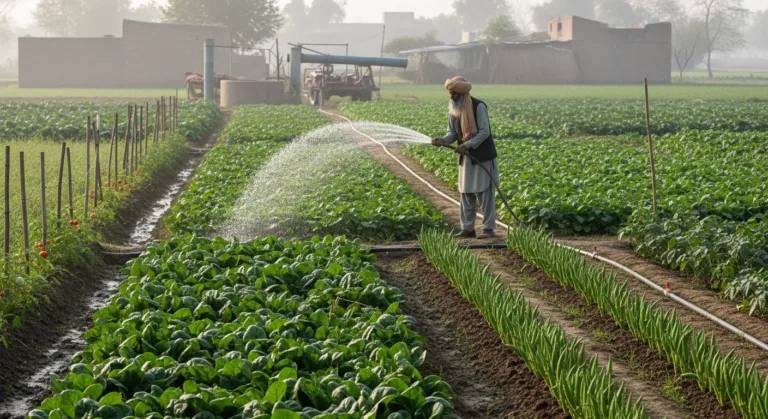
Vegetable farming in Pakistan isn’t just about throwing some seeds in the ground and hoping for the best. It’s actually a super important part of the country’s economy and culture. From the fertile plains of Punjab to the valleys of Khyber Pakhtunkhwa, farmers use techniques passed down through generations, mixed with modern methods, to grow everything from okra to onions.
In this article, we’re going to explore the fascinating world of vegetable farming in Pakistan. You’ll discover which vegetables grow best in different regions, the challenges farmers face, and why this type of farming matters so much to the country. Trust me, by the end, you’ll never look at your dinner veggies the same way again!
What Makes Pakistan Perfect for Growing Vegetables?
Pakistan has something that many countries would be jealous of, incredibly diverse geography and climate zones. Think of Pakistan like a giant patchwork quilt, where each patch has its own unique weather pattern and soil type. This variety is exactly what makes it such an awesome place for growing different kinds of vegetables.
In the Punjab region, which is like Pakistan’s vegetable powerhouse, the soil is rich and dark, almost like chocolate cake mix. This type of soil holds nutrients really well, which vegetables absolutely love. The area also gets water from five major rivers (that’s why it’s called Punjab, which means “land of five rivers”), so farmers don’t have to worry as much about their crops drying out.
Down in Sindh, the hot climate is perfect for growing vegetables that love the heat, like tomatoes, chilies, and eggplants. Meanwhile, up in the northern areas where it’s cooler, farmers grow vegetables like cabbage, cauliflower, and peas that prefer chillier weather. It’s like nature designed Pakistan specifically to grow every type of vegetable imaginable!
The Most Popular Vegetables Pakistani Farmers Grow
Walk through any vegetable market in Pakistan, and you’ll see mountains of colorful produce. But which vegetables do farmers focus on the most? Let’s break it down.
Potatoes are the superstar of Pakistani vegetable farming. They’re grown in huge quantities, especially in Punjab and Sindh. Farmers plant potatoes twice a year, which means they can harvest two crops annually. That’s like getting two chances to ace a test instead of just one!
Onions come in as a close second. They’re used in almost every Pakistani dish you can think of, so the demand is always sky-high. The cities of Swat and Khairpur are particularly famous for producing sweet, flavorful onions that make chefs smile.
Tomatoes, chilies, and okra (also called lady finger or bhindi) round out the top five. These vegetables are essential ingredients in traditional Pakistani cooking. Without them, you couldn’t make classics like biryani, karahi, or any of the delicious curries Pakistani food is famous for.
Here’s a cool fact: Pakistan produces over 600,000 tons of tomatoes every year! That’s enough to fill about 60,000 large trucks. Imagine a traffic jam made entirely of tomato trucks, that’s how much we’re talking about!
How Do Farmers Actually Grow These Vegetables?
So how does a farmer turn a plain field into a vegetable garden that feeds thousands of people? The process is more complex than you might think, and it starts way before any planting happens.
First, farmers have to prepare the soil. This is like doing homework before a big test, it sets you up for success. They plow the fields to break up hard chunks of dirt, add fertilizers to boost nutrients, and sometimes adjust the soil’s pH level (that’s how acidic or basic it is). Different vegetables like different pH levels, kind of like how some of your friends prefer sweet foods while others like sour stuff.
Next comes the actual planting. Some farmers plant seeds directly in the ground, while others start seeds in nurseries (special protected areas where baby plants can grow strong) and then transplant them to the fields. It’s similar to how some fish start in small tanks before moving to bigger aquariums, they need that protected start to thrive.
Water management is super crucial in Pakistan because water isn’t always easy to come by. Farmers use different irrigation methods like flood irrigation, where they let water flow across the field, or drip irrigation, where water drips slowly right at the plant’s roots. Drip irrigation is more expensive to set up, but it saves a ton of water, which is becoming more important as climate patterns change.
The Challenges That Keep Farmers Up at Night
Being a vegetable farmer in Pakistan isn’t all sunshine and perfect harvests. Farmers face real challenges that can make or break their entire year’s income. Understanding these problems helps us appreciate the food on our plates even more.
Water shortages are probably the biggest headache. Pakistan faces serious water scarcity issues, and when there’s not enough water, crops suffer or die completely. Imagine trying to take care of a garden during a drought, now multiply that stress by a thousand, and you’ll understand what farmers go through.
Pests and diseases are another constant battle. Tiny insects, fungi, and plant diseases can wipe out entire fields if farmers aren’t careful. It’s like a never-ending game of defense where farmers have to protect their crops from invisible enemies. Many farmers use pesticides, but there’s a growing movement toward organic farming methods that rely on natural pest control.
Lack of modern equipment holds many farmers back too. While some large farms owned by companies like Multanfarms.com use modern tractors and harvesting machines, many smaller farmers still rely on traditional hand tools and animal power. It’s the difference between typing an essay on a computer versus writing it by hand, both can work, but one is definitely more efficient!
Price fluctuations can be devastating. One month tomatoes might sell for a great price, the next month the market could be flooded and prices crash. Farmers have no control over this, which makes planning really difficult.
Modern Farming Meets Traditional Knowledge
Here’s where things get really interesting. Pakistani farmers are learning to blend traditional farming wisdom with cutting-edge technology. It’s like mixing your grandma’s secret recipe with modern cooking gadgets to create something even better.
Some progressive farms now use greenhouses (large structures covered in clear plastic or glass where vegetables grow in controlled conditions). Greenhouses protect crops from extreme weather and pests while allowing farmers to grow vegetables year-round. It’s basically like giving vegetables their own climate-controlled apartment!
Precision agriculture is starting to catch on too. This involves using GPS technology, soil sensors, and even drones to monitor crop health. Imagine being able to spot a problem in your field from your phone before it becomes serious, that’s the power of modern technology.
However, traditional knowledge still plays a huge role. Farmers know exactly when to plant based on seasonal patterns, which crops grow best together (a practice called companion planting), and how to read weather signs in nature. This wisdom has been passed down for hundreds of years, and it’s just as valuable as any smartphone app.
Why Should You Care About Vegetable Farming?
You might be thinking, “Okay, this is all interesting, but why does it matter to me?” Great question! Vegetable farming affects your life in more ways than you realize.
First off, food security depends on it. When farmers grow lots of vegetables successfully, food prices stay reasonable and everyone can afford to eat healthy. When crops fail, prices shoot up and some families struggle to buy fresh produce. It’s a direct connection between the farm and your family’s grocery budget.
Vegetable farming also creates jobs for millions of people. It’s not just the farmers themselves, there are truck drivers who transport vegetables, market vendors who sell them, and factory workers who process them into things like tomato paste or frozen veggies. It’s like a huge chain where everyone depends on everyone else.
Environmental health is tied to farming practices too. When farmers use sustainable methods, they protect the soil, conserve water, and keep the land healthy for future generations. But poor farming practices can damage the environment. The choices farmers make today affect the world you’ll inherit tomorrow.
The Future of Vegetable Farming in Pakistan
What does the future hold for vegetable farming in Pakistan? If current trends continue, we’re looking at some exciting changes. More farmers are adopting organic farming methods, which means growing vegetables without synthetic chemicals. This is healthier for both people and the planet.
Climate-smart agriculture is becoming essential as weather patterns become less predictable. Farmers are learning to grow drought-resistant vegetable varieties and use water more efficiently. Some are even experimenting with vertical farming, where vegetables grow in stacked layers indoors, kind of like a vegetable skyscraper!
Education is improving too. Organizations and agricultural universities are teaching young farmers about modern techniques, business management, and sustainable practices. The next generation of farmers will have tools and knowledge their grandparents could only dream about.
Wrapping It All Up
Vegetable farming in Pakistan is way more complex and important than most people realize. It’s a blend of ancient wisdom and modern science, hard physical work and smart planning, traditional methods and cutting-edge technology. Every time you crunch into a fresh carrot or slice a tomato for a sandwich, remember that it probably traveled a long journey from a farmer’s field to your plate.
The farmers of Pakistan work incredibly hard to feed their nation, facing challenges from water shortages to pest attacks to unpredictable markets. Yet they keep going, season after season, because they know their work matters. Next time you sit down for a meal, maybe take a second to appreciate the vegetables on your plate and the hardworking people who grew them. What would your life be like if fresh vegetables suddenly disappeared from stores tomorrow?