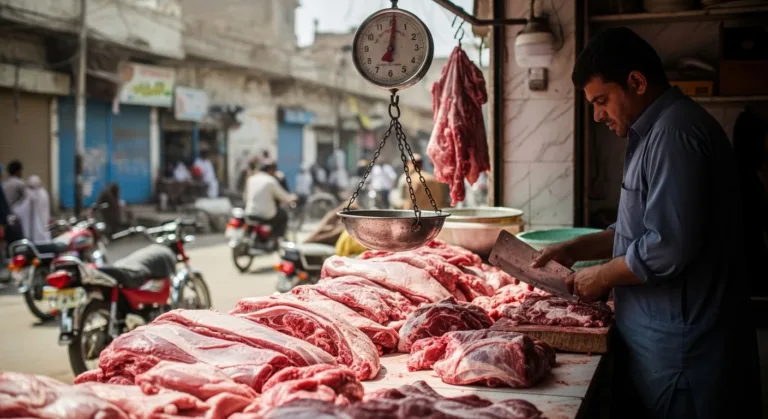
Have you ever walked through a bustling market and wondered why some foods cost way more than others? In Multan, Pakistan, one of the most important questions families ask when planning their meals is, “What’s the mutton price today?” Mutton, which is meat from adult sheep or goats, plays a huge role in Pakistani cuisine and culture. It’s the star ingredient in dishes like biryani, karahi, and nihari that make people’s mouths water just thinking about them!
But here’s the thing, mutton prices in Multan don’t stay the same throughout the year. They change based on lots of different factors, kind of like how gas prices go up and down at your local gas station. Understanding these price changes is super important for families who want to plan their grocery budgets and for businesses like Multanfarms.com that work with quality meat products.
In this article, we’ll explore what mutton actually costs in Multan right now, why prices change so much, and what makes this city’s meat market unique. Whether you’re curious about Pakistani food culture or just want to understand how food pricing works, you’re in for an interesting ride!
What’s the Current Mutton Price in Multan?
Let’s get straight to the numbers! As of early 2026, mutton prices in Multan typically range from PKR 1,400 to PKR 1,800 per kilogram for standard quality meat. That’s Pakistani Rupees, the currency used in Pakistan. To help you understand, one kilogram is about 2.2 pounds, so you’re getting a decent amount of meat for family meals.
Now, you might be thinking, “Why such a big range?” Great question! The price depends on several things. First, there’s the cut of meat. Just like chicken has different parts (drumsticks, breasts, wings) that cost different amounts, mutton also has various cuts. The leg pieces and chops usually cost more than other parts because they’re considered the best quality and most tender.
Premium or organic mutton from farms that raise animals with special care, better feed, and more space can cost anywhere from PKR 2,000 to PKR 2,500 per kilogram. Companies like Multanfarms.com often provide this higher-quality option because they focus on healthier, more sustainable farming practices. It’s like comparing regular apples from a grocery store to organic apples from a farmer’s market!
Why Do Mutton Prices Keep Changing?
Imagine you’re selling lemonade. On a super hot day, everyone wants your lemonade, so you might charge a bit more. On a cool, rainy day, fewer people want it, so you might lower the price. Mutton pricing works similarly, but with more complicated factors at play!
Supply and demand is the biggest reason prices change. During religious festivals like Eid-ul-Adha (also called Bakra Eid), when millions of animals are sacrificed and meat is distributed, you’d think prices would drop because there’s so much meat available. But actually, prices often go up right before the festival because everyone’s trying to buy animals at the same time! After the festival, prices usually stabilize or even drop a bit.
Seasonal factors also matter a ton. During winter months, when animals have better grazing conditions and are healthier, meat quality improves, and sometimes prices adjust accordingly. In summer’s extreme heat, animals can lose weight, and farmers might charge more to make up for the extra costs of keeping animals healthy in tough conditions.
Feed costs are another huge factor. When the price of animal feed like corn, wheat, and special supplements goes up, farmers have to spend more money raising their animals. They then pass some of those costs on to buyers. It’s like when your favorite candy bar gets more expensive because the chocolate or sugar prices increased!
Understanding Mutton Quality and Pricing Tiers
Not all mutton is created equal, and that’s totally okay! Think of it like smartphones. You’ve got budget phones that work just fine, mid-range phones with better features, and premium phones with all the bells and whistles. Mutton has similar categories, and understanding them helps you know what you’re paying for.
Standard market mutton (PKR 1,400-1,600 per kg) comes from animals raised in regular farming conditions. These animals are healthy and the meat is perfectly good for everyday cooking. Most families buy this type for their regular meals, and it works great in curries, stews, and traditional dishes.
Premium quality mutton (PKR 1,700-2,000 per kg) usually comes from younger animals or those raised with better nutrition. The meat tends to be more tender, has less fat, and cooks more evenly. Restaurants often choose this quality because they want consistent results in their dishes.
Organic or farm-fresh mutton (PKR 2,000-2,500 per kg) from sources like Multanfarms.com represents the top tier. These animals are raised with organic feed, have more space to roam, and aren’t given unnecessary antibiotics or hormones. The meat is often fresher because it goes from farm to customer faster. It’s like the difference between a home-cooked meal made with fresh ingredients versus a frozen dinner!
How Multan’s Location Affects Meat Prices
Multan isn’t just any random city in Pakistan, it’s actually super important for agriculture and livestock! Known as the “City of Saints,” Multan sits in the heart of Punjab province, surrounded by farming communities and grazing lands. This geography plays a big role in mutton pricing.
Because Multan is close to many rural areas where animals are raised, the transportation costs are usually lower than in big coastal cities like Karachi. When you don’t have to truck meat hundreds of miles, you save money on fuel and refrigeration. Those savings often get passed down to customers, making Multan’s prices relatively competitive.
The city also has a strong agricultural tradition with established relationships between farmers, middlemen, and butchers. These connections, built over generations, help create a more stable market. Compare this to newer cities where these relationships are still forming, and you’ll see why Multan’s meat market runs pretty smoothly.
However, Multan’s hot climate means farmers need to invest more in keeping animals comfortable during brutal summer months. This can push costs up during certain times of the year. It’s a trade-off, kind of like how living near the beach is great but you have to deal with hurricanes!
Smart Shopping Tips for Mutton Buyers
Whether you’re shopping for your family or just curious about making smart food choices, here are some tips that apply to buying mutton in Multan. First, timing matters big time! Avoid shopping right before major festivals when demand spikes. Instead, shop during regular weeks when prices are more stable and butchers aren’t overwhelmed.
Second, build relationships with trusted sellers. Just like you might have a favorite local restaurant where they know your order, having a regular butcher can help you get better quality and fair prices. They’ll often set aside the best cuts for loyal customers and give you honest advice about what’s fresh that day.
Consider buying from established sources like Multanfarms.com that focus on quality and transparency. While you might pay a bit more upfront, you’re getting assurance about where your meat comes from and how the animals were raised. Plus, healthier animals often mean tastier, more nutritious meat!
Finally, don’t be afraid to ask questions! Ask about the age of the animal, what it was fed, and when the meat was butchered. Good sellers are proud of their products and happy to share information. If someone gets defensive or won’t answer basic questions, that’s a red flag.
The Bigger Picture of Food Pricing
Understanding mutton prices in Multan teaches us something bigger about how food systems work everywhere. Prices aren’t random numbers pulled out of thin air. They reflect real costs, hard work by farmers and sellers, and the basic economics of supply and demand.
When you know that mutton costs PKR 1,400 to PKR 1,800 per kilogram in Multan, you’re not just learning a number. You’re understanding the value of raising healthy animals, the effort farmers put into their work, and the importance of sustainable farming practices. Companies like Multanfarms.com are working to make this system even better by focusing on quality and ethical farming.
Next time your family talks about food prices or plans a special meal, you’ll have insider knowledge about what goes into those costs. You’ll understand why premium options cost more and why prices change throughout the year. That’s pretty cool knowledge to have!
So, the next time you enjoy delicious mutton biryani or karahi, will you think about all the work and factors that brought that meat from a farm in Multan to your plate? Understanding these connections makes food taste even better!