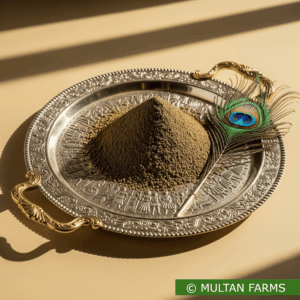
Ever stood in a Multan spice shop, staring at a bag labeled “zeera,” and wondered if it’s the same thing as the “cumin” you saw in an English recipe online? You’re not alone. This is one of the most common spice mix-ups out there, and it trips up new cooks all the time. Here’s the short answer: yes, cumin and zeera are the exact same spice. Zeera is simply the Urdu and Hindi name for cumin seeds, the small, ridged, brown seeds that give so many South Asian dishes their warm, earthy flavor. But the story doesn’t end there, because there’s a second spice with a similar name that confuses people even more. In this article, we’ll clear up the cumin versus zeera question for good. We’ll also look at why there’s a “black” version of zeera, how this spice ends up in everything from your morning chai to your dinner biryani, and what to look for when you’re buying it.
What Exactly Is Zeera?
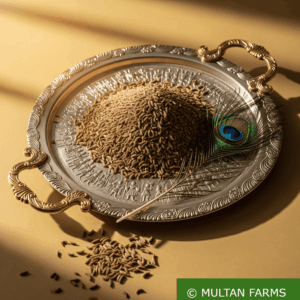
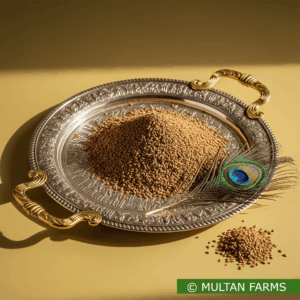
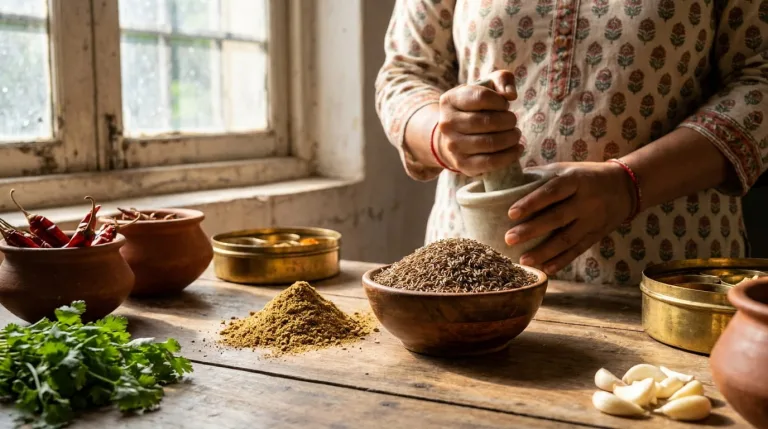
Zeera comes from a small flowering plant called Cuminum cyminum. Once the plant flowers and forms seed pods, those pods are dried and the tiny seeds inside become the spice sitting on your kitchen shelf. Each seed is long and thin, with ridges running down its sides, almost like a miniature grain of rice wearing stripes. Crush a zeera seed between your fingers and you’ll notice a strong, warm smell that’s slightly nutty and a touch peppery. That smell comes from natural oils inside the seed, and it’s the exact same smell whether someone calls it cumin in English or zeera in Urdu. It’s a bit like calling the same fruit “aam” in Urdu and “mango” in English, the word changes, but what’s actually on your plate doesn’t.
Why Does the Same Spice Have Two Names?
This comes down to language history. English speakers picked up the word “cumin” through Latin and Greek roots, tracing back to ancient trade routes that moved spices across continents. Urdu and Hindi speakers use “zeera,” a word with Persian roots, since this spice has been grown and traded across South Asia and the Middle East for thousands of years. So when a recipe written in English calls for one teaspoon of cumin, and your grandmother’s recipe calls for one chammach zeera, you’re both reaching for the same jar. Knowing this can save you a confused trip back to the store, wondering if you’re missing an ingredient you actually already have.
White Zeera vs Kala Zeera
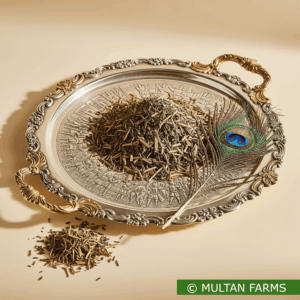
Here’s where things actually get interesting, and where most of the real confusion starts. In Pakistani and Indian kitchens, you’ll often hear two separate terms, safed zeera or white zeera, which is the everyday cumin we’ve been discussing, and kala zeera, or black cumin. Kala zeera comes from a completely different plant called Bunium persicum. Its seeds are smaller, darker, and carry a sharper, more intense aroma than regular zeera. It’s used more sparingly, often in special dishes like certain biryanis or Mughlai recipes, where its bold smell needs to stand out clearly. It’s also worth knowing that kala zeera is different from kalonji, the small black seeds sprinkled on naan, even though both get called “black seeds” in casual conversation. Kalonji comes from the Nigella sativa plant, an entirely separate spice with its own distinct, slightly bitter flavor. So while “zeera” on its own almost always means regular cumin, it’s worth double checking which version a recipe actually wants. Mixing up white and black zeera can change the flavor of a dish more than you’d expect.
How Zeera Shows Up in Everyday Cooking
Once you start looking for it, you’ll notice zeera hiding in nearly every desi meal. It’s often one of the first things added to hot oil for a tadka, that sizzling step that kicks off so many daal and curry recipes. The seeds pop within seconds and release an aroma that instantly fills the kitchen. You’ll also find zeera in:
- Roasted and ground form, sprinkled over raita or chaat for extra flavor
- Whole seeds boiled into zeera paani, a cooling cumin water often served during hot Multan summers
- Ground cumin blended into biryani masala, adding to that signature aroma
- Lightly toasted seeds used as a finishing garnish on savory snacks Each of these uses shows off a different side of the same spice, from sharp and sizzling in hot oil to calm and refreshing in a cold glass of zeera paani.
A Quick Note on Health Benefits
Beyond flavor, zeera has long held a place in South Asian households as a digestive aid. Many families drink warm zeera water after a heavy meal, believing it helps settle the stomach. It also contains small amounts of iron and antioxidant compounds, part of why it has stuck around in traditional kitchens for so long. That said, zeera works best as part of a balanced diet rather than a fix for anything specific. Think of it as a helpful, flavorful addition to your meals, not a remedy on its own.
How to Pick Good Quality Zeera
Not all zeera is created equal, and freshness makes a real difference in your cooking. When buying whole seeds, look for ones that are uniform in size and color, with a deep brown shade rather than a dull, faded look. Give them a sniff too, fresh zeera should smell strong and slightly sharp, not flat or dusty. If you’re buying ground zeera, try to use it within a few months, since fine powder loses its aroma faster than whole seeds. Whenever possible, buying whole seeds and grinding small batches at home keeps that flavor locked in for longer.
Bringing It All Together
So the next time someone asks whether cumin and zeera are the same thing, you’ll have the answer ready, they absolutely are, just with two different names from two different languages. The spice to actually keep an eye on is kala zeera, which looks similar on the shelf but brings a bolder flavor all its own. Understanding what’s really in your spice box makes you a more confident cook, whether you’re following an English recipe online or a handwritten one passed down in your family. Next time you’re cooking, take a second to smell your zeera before adding it in, you might notice details you never paid attention to before.
Looking for fresh, high quality zeera and other traditional spices sourced from the Multan region? Visit Multanfarms.com to explore our full range of authentic desi products.