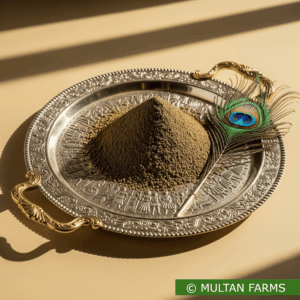
Have you ever used a face mask that made your skin feel super smooth and clean? There’s a good chance it contained something called Multani mitti. But here’s an interesting question: is this popular beauty ingredient actually from a place called Multan? The answer might surprise you! Let’s dig into the fascinating story behind this ancient beauty secret that’s been making skin glow for thousands of years.
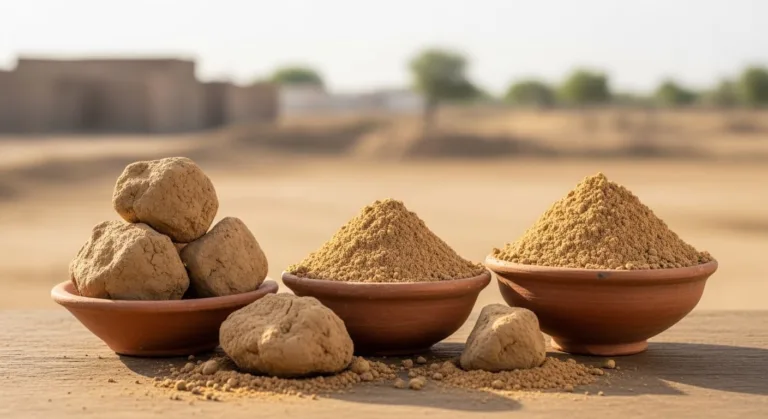
Multani mitti, which literally means “mud from Multan,” has a name that tells us exactly where it comes from. Multan is a historic city in Pakistan, and yes, this special clay really does come from that region! For centuries, people have been using this natural wonder to cleanse their skin, treat acne, and keep their faces looking fresh. But the story of how it got its name and why it became so famous is even cooler than you might think.
The Ancient City Where It All Began
Multan is one of the oldest cities in South Asia, with a history stretching back over 5,000 years. Imagine a bustling ancient city where traders from different countries would meet to exchange goods like spices, silk, and precious stones. Among these valuable items was a special type of clay that people noticed had amazing properties for cleaning and beautifying skin.
The region around Multan has unique soil conditions that created this special type of clay. It’s called Fuller’s Earth in English (yes, that’s its scientific name!), and it formed millions of years ago from volcanic ash and decomposed materials. Think of it like nature’s recipe, where time, pressure, and specific minerals mixed together to create something totally unique. The clay from Multan became so famous that traders would specifically request it, and eventually, people started calling all similar clay “Multani mitti,” even if it came from other places.
What Makes Multani Mitti So Special?
So what’s the big deal about dirt from Multan? Well, it’s not just any dirt! Multani mitti has special properties that make it perfect for skin care. It’s super absorbent, kind of like how a sponge soaks up water. When you put it on your face, it pulls out excess oil, dirt, and impurities from your pores. It’s basically a magnet for all the stuff that makes your skin look dull or causes breakouts.
The clay contains minerals like magnesium, silica, and calcium that are actually good for your skin. Think of these minerals as tiny helpers that work to improve your skin’s health while the clay cleans it. People in ancient times didn’t know about these minerals, of course, but they definitely noticed that their skin looked and felt better after using it. That’s why it’s been passed down through generations as a trusted beauty remedy.
How Did It Become So Popular?
You might be wondering how clay from one city in Pakistan became famous all over the world. The answer lies in trade routes and word-of-mouth recommendations (the ancient version of going viral!). Multan was located on important trade routes that connected Asia, the Middle East, and Europe. Merchants traveling through the city would see locals using this clay and hear stories about its amazing benefits.
These traders would bring Multani mitti back to their home countries, and people there would try it and love it too. Soon, everyone wanted this “miracle mud from Multan.” It’s similar to how a popular product might trend on social media today, except this took centuries instead of hours! The reputation of Multani mitti spread far and wide, and it became a must-have beauty product across different cultures and countries.
From Multan to Your Bathroom: The Journey
Today, you can find Multani mitti in stores all around the world, from Multan to Mumbai to Manchester to Manhattan. But here’s an interesting fact: not all the Multani mitti you buy actually comes from Multan anymore. Because the demand became so huge, people started mining similar types of clay from other regions in Pakistan, India, and other countries. As long as it has the same properties and mineral content, it’s still called Multani mitti.
It’s kind of like how we call certain tissues “Kleenex” even if they’re made by a different company, the name Multani mitti has become the general term for this type of Fuller’s Earth clay. However, many people believe that the clay from the original Multan region is still the best quality because of the unique soil conditions there. That’s why some premium beauty brands, like those working with suppliers such as Multanfarms.com, make sure to source their clay from the authentic Multan region in Pakistan.
Why Does It Matter Where It Comes From?
You might think, “Does it really matter where the clay comes from as long as it works?” Well, yes and no. All Fuller’s Earth clay has similar basic properties, but the specific mineral content can vary depending on where it’s mined. Clay from the Multan region has a particular balance of minerals that many people find works best for their skin. It’s like how chocolate from different countries might all be chocolate, but they taste slightly different because of where the cocoa beans were grown.
Plus, there’s something special about using a product that comes from its place of origin. When you use authentic Multani mitti from Multan, you’re connecting with thousands of years of history and tradition. You’re using the same type of clay that ancient queens and everyday people used to keep their skin healthy and glowing. That’s pretty amazing when you think about it!
The Legacy Lives On
So, is Multani mitti really from Multan? Absolutely! While you can find similar clay from other places, the name, history, and original source all point back to this ancient Pakistani city. The clay that was first discovered and used in Multan thousands of years ago continues to be valued and trusted today. It’s a reminder that sometimes the best beauty solutions aren’t fancy new inventions, they’re natural treasures that have been hiding in the earth all along.
Next time you use a face mask with Multani mitti, take a moment to think about its incredible journey. From the soil of an ancient city to your bathroom shelf, this humble clay has traveled across continents and through centuries. Pretty cool for something that started as dirt, right? Have you ever wondered what other amazing natural remedies might be waiting to be discovered in different parts of the world?