Have you ever cracked open a fresh egg for breakfast and wondered where it came from? Maybe you’ve thought about raising chickens in your backyard or even starting a small business selling eggs to your neighbors. If you’re curious about getting into the egg-laying game, you’ll need to know about layer hens. These special chickens are basically the superstars of egg production, and they could be your ticket to a fun and profitable project!
Whether you’re looking for layer hens for sale for a school project, a family hobby, or to start earning some extra money, there’s a lot to learn about these feathered friends. At Multanfarms.com, we understand that choosing the right chickens can feel overwhelming at first. Don’t worry though, we’re here to break it all down in a way that makes sense. By the end of this article, you’ll know exactly what layer hens are, why they’re different from regular chickens, and what to look for when you’re ready to buy some of your own.
What Exactly Are Layer Hens?
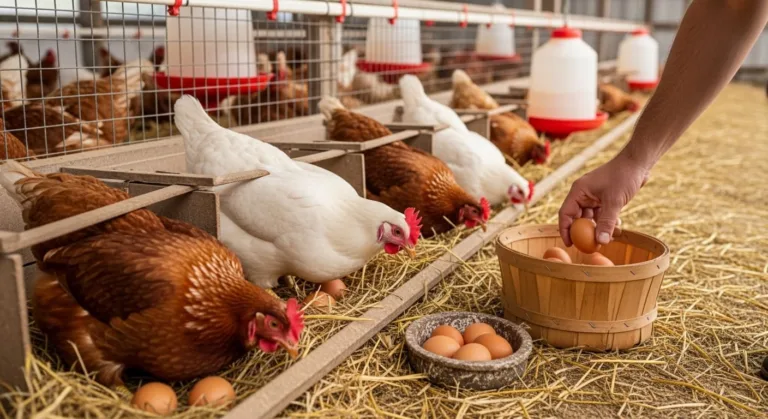
Think of layer hens as professional athletes, but instead of scoring goals or hitting home runs, their job is to lay eggs. Lots and lots of eggs! These chickens have been specially bred over many years to be egg-laying machines. While a wild chicken might lay only 10-15 eggs per year, a good layer hen can produce up to 300 eggs annually. That’s almost one egg every single day!
Layer hens are different from the chickens you might see at a grocery store (those are called broilers and are raised for meat, not eggs). Layer hens are typically smaller, more active, and they start laying eggs when they’re around 18-20 weeks old. Popular breeds include Rhode Island Reds, Leghorns, and Sussex chickens. Each breed has its own personality and egg-laying style, kind of like how different dog breeds have different temperaments.
Why Would Someone Want to Buy Layer Hens?
You might be wondering why someone would go through the trouble of raising chickens when you can just buy eggs at the store. Well, there are actually some pretty cool reasons! First, fresh eggs from your own hens taste amazing. They have bright orange yolks and a richness that store-bought eggs can’t match. It’s like comparing homemade cookies to the ones from a package.
Second, keeping layer hens can be a small business opportunity. Imagine selling fresh, organic eggs to your neighbors or at a local farmers market. Some students even use their egg money to save up for things they want, like a new bike or video game system. Plus, chickens make surprisingly good pets! They have unique personalities, and many people find caring for them relaxing and rewarding.
Finally, raising layer hens teaches important life skills. You’ll learn about responsibility (chickens need food and water every day), biology (how do eggs even form?), and basic business skills if you decide to sell eggs. It’s hands-on learning that’s way more interesting than reading from a textbook!
What Should You Look for When Searching “Layer Hen for Sale”?
When you’re ready to buy layer hens, you can’t just pick any random chicken and expect great results. Here are the key things to consider. First, think about the age of the hens. Point-of-lay pullets are young hens that are just about to start laying eggs (around 16-18 weeks old). These are usually the best choice because you’ll get eggs soon and the hens will be productive for several years.
Second, consider the breed carefully. Some breeds are better for beginners because they’re hardy and friendly. Rhode Island Reds are like the golden retrievers of the chicken world, dependable and easy-going. Leghorns produce tons of white eggs but can be a bit flighty. If you live in a cold climate, you’ll want cold-hardy breeds that can handle winter weather.
Third, always buy from a reputable source like Multanfarms.com. You want healthy birds that have been vaccinated and raised in clean conditions. Ask questions about what the chickens have been eating, whether they’ve been vaccinated, and what their egg-laying history looks like. A good seller will be happy to answer all your questions and might even give you tips for caring for your new hens.
How Much Do Layer Hens Cost?
The price of layer hens can vary quite a bit depending on several factors. Baby chicks are the cheapest option, usually costing between $3-$5 each, but remember, you’ll have to wait about four to five months before they start laying eggs. You’ll also need special equipment to keep them warm when they’re tiny.
Point-of-lay pullets are more expensive, typically ranging from $20-$40 each, but they’re ready to start producing eggs right away. Think of it like buying a car: you can get a cheaper model that needs some work, or pay more for one that’s ready to drive off the lot. If you want rare or specialty breeds with unique colored eggs (yes, some chickens lay blue or green eggs!), expect to pay even more.
Don’t forget to budget for supplies too! You’ll need a coop (chicken house), feeders, waterers, chicken feed, and bedding material. The initial setup can cost a few hundred dollars, but once you’re established, the ongoing costs are pretty low, usually just $20-$30 per month for feed and bedding.
Taking Care of Your Layer Hens
Once you bring your layer hens home, they’ll need proper care to stay healthy and keep producing eggs. Chickens need a safe, dry coop to sleep in at night (this protects them from predators like foxes or raccoons). They also need a run or fenced area where they can scratch around during the day. Chickens love to peck at the ground, take dust baths, and chase bugs. It’s their version of hanging out at the park!
Feed your hens a balanced layer feed that contains all the nutrients they need to produce strong eggshells. They’ll also appreciate kitchen scraps like vegetable peels, but avoid giving them anything salty or moldy. Fresh water is crucial, chickens drink a lot more than you’d think! In fact, a hen needs to drink about a cup of water for every egg she lays.
Collect eggs daily to keep them clean and fresh. Most hens lay their eggs in the morning, so checking the nesting boxes after breakfast becomes part of your routine. You’ll also need to clean the coop regularly (once a week or so) to keep your chickens healthy and prevent bad smells.
The Egg-citing Benefits of Raising Your Own Hens
Beyond the fresh eggs, raising layer hens connects you to where your food comes from in a really meaningful way. Instead of just grabbing a carton from a refrigerator case, you’ll understand the work and care that goes into producing each egg. You’ll notice the seasons changing as your hens lay more eggs in spring and summer, and fewer in winter when days are shorter.
Many people find that caring for chickens reduces stress and gives them a reason to spend time outdoors. There’s something satisfying about completing the simple tasks of feeding animals and collecting eggs. Plus, chicken manure makes excellent fertilizer for gardens, so if your family grows vegetables, your hens can help those plants thrive too!
Starting with layer hens from a trusted source like Multanfarms.com sets you up for success. Whether you’re raising them for a school project, as a hobby, or to start a small egg business, these birds can teach you valuable lessons while providing delicious, nutritious eggs. Who knows? This could be the beginning of a lifelong interest in agriculture or even a future career path. The next time you’re searching for “layer hen for sale,” you’ll know exactly what you’re looking for and why these amazing birds might be the perfect addition to your backyard. Are you ready to join the flock?