Have you ever walked through a Pakistani market and wondered about all those colorful vegetables you see? From tiny green chilies that can make your eyes water to massive pumpkins bigger than your backpack, Pakistan grows some of the most amazing vegetables in the world! With its unique climate that ranges from scorching summers to cool winters, this incredible country can produce fresh vegetables almost year-round.
Pakistan’s farmers are like master chefs in a giant outdoor kitchen, knowing exactly which vegetables to plant when the seasons change. They’ve figured out how to work with nature’s calendar to keep markets full of fresh, delicious vegetables no matter what month it is. Let’s take a journey through Pakistan’s vegetable gardens and discover what makes this country such a vegetable-growing superstar!
The Summer Stars: Heat-Loving Heroes
When the summer heat hits Pakistan, most people want to stay indoors with a cold drink. But some vegetables absolutely love this blazing weather! In summer tomato, chilies, brinjal, potato, cucumber and various types of other vegetables are harvested, creating a colorful parade of fresh produce.
Tomatoes are like the superstars of Pakistani summers. These red beauties grow everywhere across the country and end up in countless dishes, from spicy curries to fresh salads. Think of tomatoes as the friendly neighbors of the vegetable world, they get along with almost every other ingredient and make everything taste better.
Chilies are Pakistan’s spicy champions! From tiny bird’s eye chilies that pack a serious punch to larger, milder varieties, these fiery vegetables add heat and flavor to Pakistani cooking. If vegetables had personalities, chilies would be the bold, adventurous ones who aren’t afraid to make their presence known.
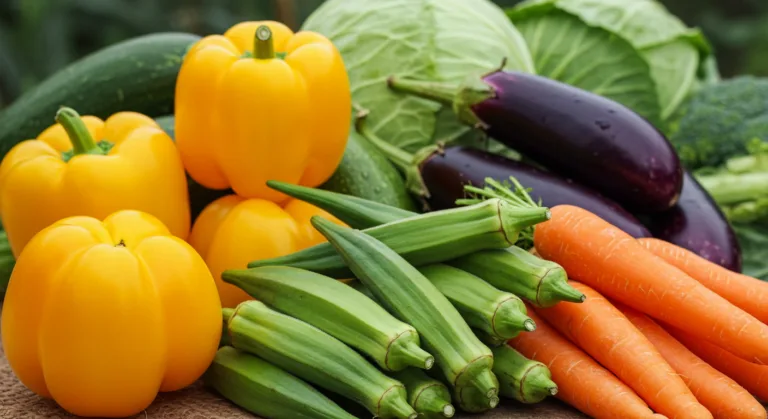
Brinjal (which you might know as eggplant) is another summer favorite. These purple, glossy vegetables can be stuffed, fried, or cooked into delicious curries. They’re like sponges in the best way possible, soaking up all the amazing flavors of the spices they’re cooked with.
Don’t forget about cucumbers and various gourds that thrive in the heat. These vegetables are like nature’s air conditioners, full of water to help keep you cool during those sweltering summer days.
Winter Wonders: Cool-Weather Champions
When winter arrives in Pakistan, it’s like someone opened a whole new vegetable treasure chest! The winter season is the most important for growing a wide variety of vegetable crops including, cauliflower, cabbage, lettuce, spinach, onion, potato, carrot, radish, turnip, coriander, fenugreek and peas. It’s amazing how many different vegetables love the cooler weather.
Cauliflower and cabbage are like the royal family of winter vegetables. Cauliflower looks like tiny white trees, while cabbage wraps itself up in layers like it’s wearing a green winter coat. Both are packed with nutrients and taste fantastic in Pakistani dishes.
Carrots bring bright orange color to winter meals. These root vegetables are like nature’s candy, sweet and crunchy, and they grow happily underground even when it’s chilly above ground.
Leafy greens like spinach and lettuce love the cool weather too. These vegetables are like nature’s multivitamins, packed with so many good things for your body. In Pakistani cooking, spinach often becomes saag, a delicious dish that can make anyone fall in love with green vegetables.
The Year-Round All-Stars
Some vegetables are so tough and adaptable that they can grow almost any time of year in Pakistan. These are the reliable friends of the vegetable world, always there when you need them.
Potatoes are probably the most versatile vegetables in Pakistan. They can be mashed, fried, boiled, or added to curries. Tomatoes are though cultivated in all the provinces of Pakistan, and potatoes are just as widespread and popular. Think of potatoes as the ultimate team players, they make every dish better and never complain about sharing the spotlight.
Onions might make you cry when you cut them, but they’re absolutely essential in Pakistani cooking. They’re like the bass players in a band, you might not always notice them, but without them, everything would sound (or in this case, taste) completely different.
Okra is the national vegetable of Pakistan, also known as bhindi or ladyfinger. This green, pod-shaped vegetable has a special place in Pakistani hearts and kitchens. When cooked properly, it becomes tender and delicious, often prepared with onions and spices that make your mouth water just thinking about it.
Regional Specialties: Pakistan’s Hidden Vegetable Gems
Pakistan is like a vegetable United Nations, with different regions specializing in different crops. Varied agro-climatic conditions prevailing in different provinces of the country also contribute to year round production of different kinds of vegetables, which means you can find amazing variety no matter where you go.
Some regions grow unique vegetables that might seem strange to outsiders but are beloved locally. Sarso is available year round, but the leaves are usually only harvested for saag from November to February. This mustard green creates one of the most emotional dishes in Pakistani cuisine because it reminds people of their childhood and their mother’s cooking.
There are also interesting vegetables like taro (called arvi locally), which when cooked, resembles a squidgy potato. These root vegetables show how creative Pakistani cooks can be, turning unusual ingredients into comfort food that families love.
The Magic of Seasonal Eating
What makes Pakistan’s vegetable scene so special is how it follows nature’s rhythm. For example tomato can be grown year around in Karachi or similar areas, but you cannot grow it in those parts of country where frost is certain. This shows how farmers have learned to work with their local climate instead of fighting against it.
Pakistani farmers are like conductors of a vegetable orchestra, knowing exactly when to plant each variety for the best harvest. They understand that summer vegetables need heat and sunshine, while winter vegetables prefer cooler temperatures and shorter days. This seasonal approach means that vegetables are always at their freshest and most flavorful when they reach your plate.
The beauty of this system is that it keeps meals interesting all year long. Just when you might get tired of summer’s tomatoes and chilies, winter brings cauliflower and carrots. And just as you’re getting used to winter’s hearty vegetables, spring arrives with fresh new options.
From Garden to Your Table
Understanding Pakistan’s vegetables isn’t just about knowing what grows where and when. It’s about appreciating how these plants connect people to their land, their seasons, and their culture. Every vegetable tells a story about the soil it grew in, the hands that planted it, and the family recipes it will become part of.
The major vegetable grown in the country are potato, onion, chilies, tomato, turnip, okra carrot, cauliflower peas and tinda gourd covering 78% of the total area under vegetables accounting for 81% of the total production. These numbers show just how important vegetables are to Pakistan’s agriculture and economy.
Whether it’s the fiery chilies that wake up your taste buds or the humble potato that fills your stomach, each vegetable plays an important role in Pakistani life. They’re not just ingredients, they’re the building blocks of memories, traditions, and daily nutrition for millions of people.
So the next time you see vegetables at a market or on your plate, remember the amazing journey they took to get there. From tiny seeds planted by farmers who understand the rhythm of the seasons, to the diverse and delicious vegetables that make Pakistani cuisine so special, each one has a story worth celebrating!