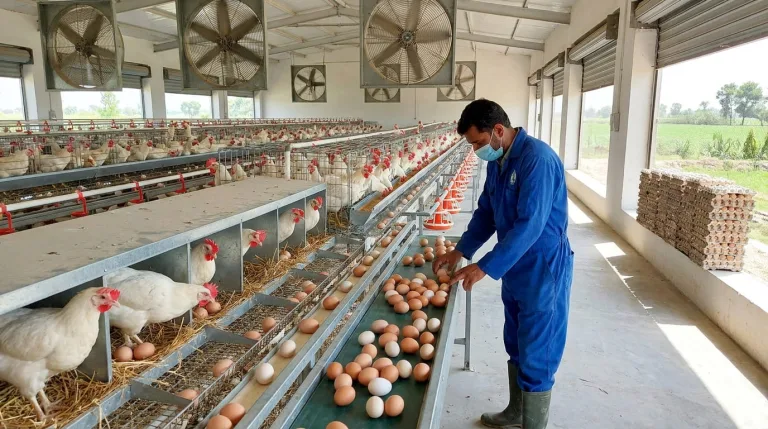
Walk into any grocery store in Pakistan and you’ll find trays of eggs stacked neatly on the shelves. Those eggs didn’t just appear by magic. Behind every single one is a layer bird, a hen that has been raised specifically to produce eggs day after day. Understanding how layer birds work, what they need, and why they matter is essential knowledge for anyone interested in poultry farming or the food on their table.
Layer birds are one of the most important parts of Pakistan’s agricultural economy. Whether you’re a farmer looking to start a business or just a curious person who wants to know where breakfast comes from, this article has everything you need.
What Exactly Are Layers Birds?
Layer birds are a special category of poultry hens selectively bred to produce large numbers of eggs throughout their lives. Unlike broiler chickens, which are raised purely for meat, layer birds are kept for their egg-laying ability. A healthy layer hen can produce up to 300 eggs per year, which is remarkable when you think about it. That’s nearly one egg every single day.
These birds are not your typical backyard desi chickens. They are carefully developed breeds that have been optimized through decades of selective breeding. The most common commercial layer breeds found in Pakistan include Lohmann Brown, Hy-Line, and ISA Brown. Each breed is known for its high productivity, disease resistance, and ability to thrive in a managed farm environment.
How Do Layer Birds Produce So Many Eggs?
You might wonder how a single hen manages to lay an egg almost every day. The answer lies in biology. A hen’s reproductive system is designed to release a yolk regularly, and under the right conditions, that yolk develops into a full egg within about 24 to 26 hours.
Light plays a huge role in triggering this process. Hens need around 16 to 17 hours of light per day to maintain consistent egg production. Commercial farms often use artificial lighting to keep hens on a reliable schedule, especially during the shorter days of winter. Temperature, nutrition, and stress levels also affect how many eggs a hen lays. A comfortable, well-fed hen is a productive one.
The Lifecycle of a Layer Bird
Understanding the lifecycle of a layer bird helps farmers plan their operations efficiently. Chicks arrive at the farm at one day old and spend their first few weeks in a brooding phase, kept warm and protected as they grow.
From around 6 to 8 weeks, they enter the pullet stage, where they develop into young hens. Proper nutrition during this phase is critical because it directly impacts how well they perform once they start laying. Layers typically begin producing eggs at around 18 to 20 weeks of age. This is called the point of lay, and it marks the beginning of the most profitable phase of the bird’s life. Production remains high for about 12 to 14 months before gradually declining.
What Do Layer Birds Eat?
Diet is one of the biggest factors in egg quality and production. Layer birds require a well-balanced feed that includes the right amounts of protein, calcium, phosphorus, vitamins, and energy. Calcium is especially important because it is the main component of eggshells. A hen that doesn’t get enough calcium will either produce thin-shelled eggs or stop laying altogether.
Commercial layer feed is carefully formulated to meet all of these nutritional needs. Many Pakistani farmers also supplement feed with locally available ingredients like maize, soybean meal, and rice bran. Fresh, clean water is just as important as food. A layer hen can drink up to 250 ml of water per day, and any shortage of water leads to an immediate drop in egg production.
How Are Layer Birds Housed?
The housing system used for layer birds has a direct impact on their health, productivity, and welfare. There are three main systems used in Pakistan and around the world.
Battery cage systems are the most common in commercial operations. Hens are kept in small wire cages stacked in rows, which makes it easy to manage large numbers of birds in a compact space. Cage-free systems allow hens to move freely inside a barn, which many consumers prefer because of animal welfare concerns. Free-range systems give hens access to outdoor space in addition to a sheltered housing area. Each system has its own advantages and trade-offs in terms of cost, productivity, and bird welfare.
Regardless of the system used, good ventilation, hygiene, and biosecurity are non-negotiable. Disease outbreaks can wipe out an entire flock in a matter of days, which is why cleanliness and vaccination programs are taken very seriously on layer farms.
Why Layer Birds Matter for Pakistan
Pakistan’s poultry sector is one of the fastest-growing parts of its agricultural economy. Layer birds sit at the heart of this growth. Eggs are one of the most affordable and nutritious sources of protein available to Pakistani families, making them an essential part of the national diet.
A single egg contains about 6 grams of high-quality protein along with vitamins B12 and D, iron, and healthy fats. For families managing tight budgets, eggs offer incredible nutritional value at a low cost. The layer bird industry also supports millions of jobs, from farmers and feed suppliers to transporters and retailers. When the layer bird sector thrives, its benefits ripple across the entire food supply chain.
Getting the Best From Your Layer Birds
Whether you’re running a small backyard flock or a large commercial operation, a few key practices make all the difference. First, always source your chicks from a reputable hatchery that offers vaccinated, healthy stock. Second, invest in quality feed and never compromise on nutrition to save costs in the short term. Third, maintain a consistent light schedule and monitor the health of your flock daily.
Keeping records of feed consumption, egg production, and mortality rates helps you spot problems early and make better decisions for your farm. Layer farming rewards attention to detail, and farmers who stay consistent see the strongest results over time.
Conclusion
Layer birds are not just chickens. They are a cornerstone of food security, nutrition, and agricultural livelihoods across Pakistan. From the science of how they produce eggs to the systems used to house and feed them, every aspect of layer bird farming is worth understanding. Whether you’re thinking about starting your own poultry operation or simply want to appreciate where your daily eggs come from, knowing more about layer birds gives you a deeper connection to the food on your table.
If you want to learn more about poultry farming, natural food products, and agricultural life in Pakistan, visit Multanfarms.com for expert insights rooted in the heart of Punjab.