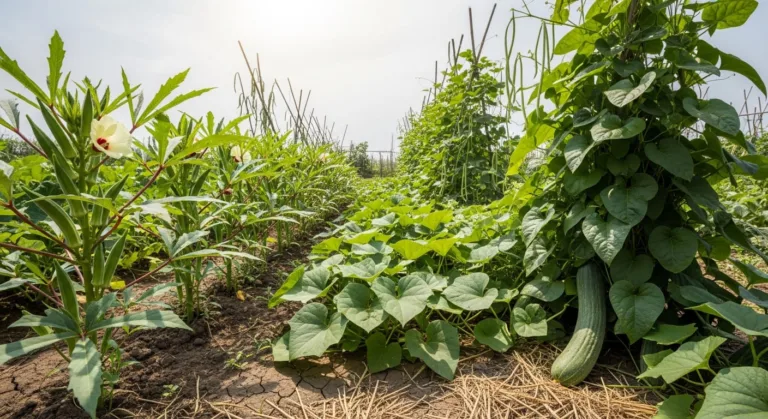
Picture this: it’s July, the sun is blazing, and you’re standing in your backyard wondering if it’s too late to start a vegetable garden. Maybe you’re thinking, “Isn’t gardening something you do in spring?” Well, here’s some exciting news, July is actually a fantastic time to plant certain vegetables! While everyone else is at the pool or inside enjoying air conditioning, you could be starting a garden that’ll give you fresh, homegrown veggies in just a few weeks.
But hold on, you can’t just plant anything in July’s scorching heat. Some vegetables love the warmth, while others would basically melt like your favorite chocolate bar left in a hot car. The trick is knowing which vegetables actually thrive when temperatures soar. Whether you’re in Multan, where summers get seriously hot, or anywhere else with a warm climate, choosing the right vegetables can make the difference between a successful garden and a disappointing pile of wilted plants.
In this article, we’ll explore the best vegetables to plant in July, why they work so well in summer heat, and how you can grow them successfully. Trust me, by the end of this, you’ll be ready to get your hands dirty and start your own summer vegetable adventure!
Why July Gardening Is Actually Pretty Smart
You might think that July is the middle of growing season, not the beginning. But here’s something cool: many vegetables actually prefer being planted in summer rather than spring! When you plant certain veggies in July, they mature during the cooler months of fall, which means they taste better and grow more consistently.
Think of it like this: imagine trying to run a marathon in freezing winter weather versus cool autumn weather. The autumn run would be way more comfortable, right? That’s exactly how some vegetables feel when they mature in fall instead of the peak of summer. Plus, July planting means you’ll have fresh vegetables to harvest in September and October when a lot of spring gardens are already finished.
Another awesome benefit? Summer soil is already warm, which helps seeds sprout faster. It’s like jumping into a warm pool instead of an icy cold one, much more inviting! Seeds that might take two weeks to germinate in spring can pop up in just a few days when the soil is toasty warm.
The Superstars: Beans That Beat the Heat
Let’s start with one of the easiest and most rewarding vegetables you can plant in July: beans! Both bush beans and pole beans absolutely love warm soil, and July gives them exactly what they need. These plants are like the overachievers of the garden world, they grow fast, produce tons of food, and don’t require much fussing over.
Bush beans are especially perfect for beginners because they don’t need any support structures. You just plant them, water them, and watch them grow. Within 50 to 60 days, you’ll be picking fresh beans for dinner! Pole beans take a bit longer but produce even more food, plus they’re fun to grow because they climb up stakes or trellises like little green acrobats.
The best part? Beans actually improve your soil while they grow. They have special bacteria in their roots that capture nitrogen from the air and store it in the soil. It’s like they’re doing yard work while they grow, pretty neat, right? At Multanfarms.com, experienced growers often recommend planting a second round of beans in July to extend the harvest season well into fall.
Leafy Greens for a Fall Harvest
Here’s something that might surprise you: you can plant lettuce, spinach, and other leafy greens in July! Now, I know what you’re thinking, “Don’t those plants hate hot weather?” You’re absolutely right, but here’s the clever part: you plant them in July so they mature in the cooler weather of September and October.
Spinach is particularly amazing for July planting. The seeds germinate quickly in warm soil, and then the plants grow slowly through late summer before taking off in the cooler fall weather. It’s like they’re in hibernation mode during the hot days and then wake up refreshed when things cool down. The result? Tender, sweet spinach leaves that taste way better than anything you’d buy at the store.
Lettuce works the same way. Plant heat-tolerant varieties in July, keep them watered, and maybe give them some shade during the hottest part of the day. By the time September rolls around, you’ll have crisp, fresh lettuce for salads. Pro tip: plant a few seeds every week or two instead of all at once. This way, you’ll have a continuous supply of fresh greens instead of a huge harvest all at once that you can’t eat fast enough!
Radishes: The Speed Demons of the Garden
If you’re impatient (and let’s be honest, who isn’t?), radishes are your best friend in the garden. These little vegetables are incredibly fast growers, some varieties are ready to harvest in just 25 days! That’s less than a month from seed to salad. It’s like the express lane of vegetable gardening.
Radishes love being planted in July because the warm soil helps them sprout quickly, and they’ll mature before the weather gets too cool. They’re also super easy to grow, making them perfect if you’re new to gardening. You literally just poke holes in the soil, drop in seeds, cover them up, and water. That’s it! No complicated instructions or special equipment needed.
Plus, radishes come in way more varieties than just the small red ones you see at the grocery store. There are purple ones, white ones, and even watermelon radishes that are green on the outside and bright pink on the inside! Growing different colors makes harvesting feel like a treasure hunt. Each time you pull one up, you’re surprised by what you find.
Carrots for Patient Gardeners
While radishes are the sprinters of the vegetable world, carrots are more like marathon runners. They take their time, usually 60 to 80 days, but the wait is totally worth it. July is actually an ideal time to plant carrots in many regions because they’ll mature in cooler fall weather, which makes them taste sweeter.
Here’s a cool science fact: carrots convert their starches into sugars when exposed to cool temperatures. It’s their natural antifreeze system! So carrots that mature in fall are noticeably sweeter than those that mature in summer heat. It’s like nature’s way of making candy, except it’s actually healthy for you.
The trick with carrots is making sure your soil is loose and rock-free. Carrots need to push their roots deep into the ground, and if they hit a rock or hard soil, they’ll grow all twisted and funny-looking. They’ll still taste great, but they might look like they’re doing yoga poses! Some people actually prefer loose, sandy soil for carrots, but you can grow them in regular garden soil too if you prepare it properly.
Cucumbers and Summer Squash: The Warm Weather Champions
If there are any vegetables that were made for July planting, it’s cucumbers and summer squash (like zucchini). These plants are basically sun-worshippers. They love heat, they love sunshine, and they grow like crazy when conditions are right. In fact, zucchini is famous for producing so much that gardeners often joke about having to hide from neighbors to avoid giving away more squash!
Cucumbers are perfect for July because they need warm soil to germinate, usually at least 70°F (21°C). Once they start growing, they produce flowers and then fruits incredibly quickly. From the time a flower appears to when you have a harvest-ready cucumber is often just a week or two. It’s almost like watching a time-lapse video in real life.
Summer squash works similarly. Plant them in July, and by August, you’ll likely be picking fresh zucchini, yellow squash, or pattypan squash several times a week. These plants are so productive that a single plant can feed an entire family. Just remember: both cucumbers and squash need lots of water, especially in July’s heat. Think of them as constantly thirsty athletes who need regular hydration to perform their best.
Herbs That Handle the Heat
Don’t forget about herbs when planning your July garden! Basil, in particular, absolutely thrives in hot weather. This aromatic herb is a heat-lover that grows bigger and more flavorful as temperatures rise. July planting means you’ll have fresh basil for making pesto, adding to salads, or topping homemade pizza throughout late summer and early fall.
Other heat-loving herbs include cilantro (though look for slow-bolting varieties for July planting), dill, and parsley. These herbs are super useful in cooking and incredibly easy to grow. Plus, they take up very little space, so even if you only have a small corner of a garden or a few pots on a balcony, you can grow fresh herbs successfully.
Tips for July Planting Success
Planting in July comes with its own set of challenges, mainly dealing with heat and making sure your seeds don’t dry out. Here are some practical tips that’ll help you succeed:
Water consistently: Seeds planted in July need regular watering because the soil dries out faster in summer heat. Water in the early morning or evening to reduce evaporation.
Mulch is your friend: Adding a layer of mulch (like straw or grass clippings) around your plants helps keep the soil cool and moist. It’s like putting a blanket over the soil, except this blanket keeps things cool instead of warm!
Provide afternoon shade: Some vegetables benefit from a bit of shade during the hottest part of the day. You can use shade cloth or even plant taller vegetables to provide natural shade for more delicate crops.
Wrapping Up Your July Garden Adventure
So there you have it, July is far from too late to start a vegetable garden! From quick-growing radishes to sweet fall carrots, from productive beans to abundant squash, there are plenty of vegetables that actually prefer being planted during summer’s warmth. The key is choosing heat-tolerant varieties and giving them the care they need to thrive.
Whether you’re working with a big backyard garden or just a few containers on a patio, July planting opens up a whole new world of gardening possibilities. You’ll get to enjoy fresh, homegrown vegetables well into fall, and you’ll learn valuable lessons about plant care and seasonal gardening. Plus, there’s something incredibly satisfying about eating food you’ve grown yourself, even if it’s just a handful of cherry tomatoes or a bowl of fresh salad greens.
Ready to get started? Grab some seeds, find a sunny spot, and give July gardening a try. Who knows, you might discover that you have a natural green thumb! What vegetables will you plant first in your summer garden?