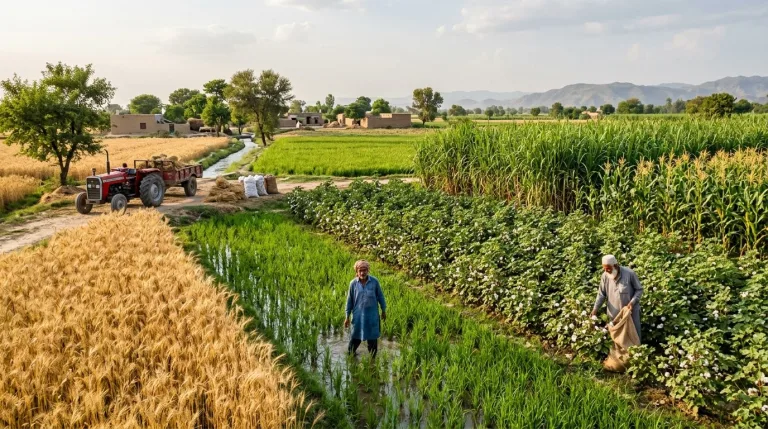
Picture this: every roti you eat, every cup of chai sweetened with sugar, every glass of mango juice you enjoy in the summer — all of it starts in a Pakistani field. Pakistan is one of the most agriculturally rich countries in the world, and its farms feed hundreds of millions of people every single day. Yet most of us go through life without really thinking about what grows in those fields and why it matters so deeply.
Agriculture is the backbone of Pakistan’s economy, contributing roughly 22 to 24 percent of the country’s GDP and employing nearly 40 percent of the workforce. From the fertile plains of Punjab to the river valleys of Sindh and the terraced fields of KPK, Pakistan grows an incredible variety of crops across two main farming seasons. Let’s take a closer look at what those crops are, where they grow, and why they’re so important to everyday life.
Kharif and Rabi, Pakistan’s Two Farming Seasons
Before diving into specific crops, it helps to understand how Pakistani farmers organise their year. The farming calendar is split into two main seasons, Kharif and Rabi, and each one produces a completely different set of crops.
Kharif crops are planted in the summer (usually April to June) and harvested by October or November. These crops love heat and monsoon rains, making them a natural fit for Pakistan’s hot growing season. Rabi crops, on the other hand, are planted in October or November and harvested around March or April. They thrive in cooler winter temperatures and depend more on irrigation than rainfall. Together, these two seasons keep Pakistani fields productive almost year-round.
The King of Crops, Wheat
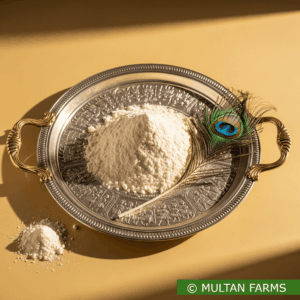
If there’s one crop that defines Pakistan’s food security, it’s wheat. Pakistan is one of the world’s top wheat-producing nations, and wheat accounts for more calories in the average Pakistani diet than any other food. Every naan, chapati, and paratha on a Pakistani dastarkhwan traces its roots back to a wheat field.
Wheat is a Rabi crop, planted in November and harvested in April or May. The Punjab province, especially the districts around Multan, Sahiwal, and Faisalabad, produces the bulk of the country’s wheat supply. A bad wheat harvest doesn’t just affect farmers; it affects flour prices, bread costs, and the food budgets of millions of families across the country.
Cotton, Pakistan’s White Gold
If wheat is the king of crops, then cotton is the crown jewel of Pakistan’s export economy. Pakistan is among the top cotton-producing countries in the world, and cotton-derived products like textiles, yarn, and garments make up the largest share of Pakistan’s export earnings. That’s why cotton is often called “white gold” in farming circles.
Cotton is a Kharif crop that thrives in the dry, hot conditions of South Punjab and interior Sindh. Districts like Multan, Bahawalpur, and Khanewal are famous for their cotton fields. The entire textile industry, from the fabric in your clothes to the thread used to stitch them, depends on this single crop performing well every season.
Rice, The Crop That Earns Foreign Exchange
Ask anyone in Lahore, Karachi, or Rawalpindi what their favourite meal is, and a good number will say biryani or pulao. The rice that goes into those dishes is another agricultural success story. Basmati rice, the long-grain, aromatic variety grown in Pakistan, is prized all over the world and commands premium prices in international markets.
Rice is a Kharif crop that needs plenty of water, which is why it grows mainly in Punjab and Sindh, close to canal irrigation networks. Pakistan exports millions of tonnes of rice every year, making it one of the country’s most valuable agricultural exports. When you enjoy a plate of biryani, you’re eating something that connects Pakistani farming to dinner tables as far away as the Middle East and Europe.
Sugarcane and Maize, The Supporting Stars
Pakistan’s farming landscape isn’t just about wheat, cotton, and rice. Two other Kharif crops play a significant role in the economy and in everyday life. Sugarcane is the source of the sugar in your chai, the gur (jaggery) in your traditional sweets, and the molasses used in industrial processes. Pakistan is consistently among the world’s top sugarcane producers, with the crop growing heavily across Punjab and Sindh.
Maize (corn) has grown rapidly in importance over the past two decades. It’s used as animal feed for the poultry industry, as a raw material in food processing, and increasingly as a human food staple. As Pakistan’s livestock and poultry sectors have expanded, demand for maize has climbed steadily, making it one of the most economically important Kharif crops of the modern era.
Fruits and Vegetables, Pakistan’s Hidden Agricultural Wealth
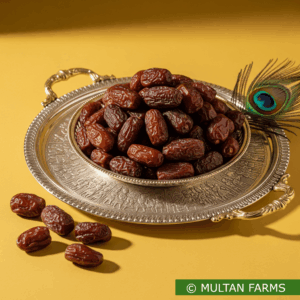
Beyond the major staple and cash crops, Pakistan grows an astonishing variety of fruits and vegetables that don’t always get the recognition they deserve. Mangoes from Multan and Bahawalpur are considered among the finest in the world, with varieties like Chaunsa and Sindhri winning international acclaim. Kinnow oranges from Punjab, dates from Khairpur, and guavas from Sindh round out a fruit sector that generates significant income for Pakistani farmers.
The vegetable sector is equally vital, supplying fresh produce to urban markets across the country. From the onion fields of Sindh to the potato farms of Balochistan, vegetable farming supports millions of smallholder farmers who rarely make headlines but quietly keep the country fed every single day.
Why the Crops of Pakistan Matter to Every One of Us
Here’s the thing: the crops of Pakistan aren’t just a geography lesson. They’re the reason you have food on your table, clothes on your back, and a functioning economy around you. Every time there’s a flood, a drought, or a pest outbreak in the farming belt, millions of lives are affected almost immediately. Agriculture in Pakistan is deeply personal.
Understanding what Pakistan grows, and where, also helps you appreciate the value of choosing quality, farm-fresh produce. Whether it’s wheat from South Punjab, Basmati from the canal colonies, or mangoes from Multan, every crop has a story and a farmer behind it. To explore fresh, authentic farm produce straight from the heart of Pakistan, visit Multanfarms.com and discover what real quality looks like.