Organ meats have fed families for generations, long before anyone talked about superfoods or supplements. Among these often overlooked cuts, goat kidney stands out as one of the most nutrient dense options available, packed with vitamins, minerals, and protein that support everything from energy levels to muscle repair.
If you have never considered cooking with goat kidney, or you grew up eating it but never quite knew why it was good for you, this article breaks down exactly what makes it worth a spot on your plate.
We will cover its nutritional profile, health benefits, how it compares to other cuts, and a few practical tips for preparing it safely and deliciously.
A Nutrient Dense Organ Meat
Goat kidney is what nutritionists call nutrient dense, meaning it delivers a large amount of vitamins and minerals relative to its calorie count. Compared to many cuts of muscle meat, organ meats like kidney tend to concentrate far more nutrition into a smaller portion.
A typical serving of goat kidney provides significant amounts of vitamin B12, iron, zinc, selenium, and high quality protein. These nutrients work together to support red blood cell production, immune function, and overall energy metabolism.
This is part of why organ meats have remained a staple in traditional diets across South Asia, the Middle East, and many parts of Africa, even as more processed foods have become widely available.
Supporting Iron Levels and Preventing Anemia
One of the standout benefits of goat kidney is its iron content. Iron plays a critical role in helping your blood carry oxygen throughout your body, and a deficiency can lead to fatigue, weakness, and a condition called anemia.
Goat kidney contains heme iron, the type of iron your body absorbs more efficiently compared to the non heme iron found in plant based foods like spinach or lentils. For people managing low iron levels, or those recovering from illness or blood loss, incorporating iron rich organ meats can be a practical dietary strategy.
Pairing goat kidney with vitamin C rich foods, such as citrus fruits or tomatoes, can further improve how well your body absorbs this iron.
A Strong Source of Vitamin B12
Vitamin B12 is essential for nerve function, DNA production, and keeping your energy levels steady throughout the day. Unlike many vitamins, B12 is found almost exclusively in animal products, which makes organ meats like goat kidney an especially valuable source.
A deficiency in B12 can lead to fatigue, poor concentration, and in more serious cases, nerve damage. Regularly including B12 rich foods in your diet helps prevent these issues before they start.
Goat kidney delivers a meaningful dose of B12 in a relatively small serving, making it an efficient addition to a balanced diet.
Protein and Muscle Support
Like most animal derived foods, goat kidney is a complete protein source, meaning it contains all nine essential amino acids your body needs but cannot produce on its own. These amino acids are the building blocks your body uses to repair tissue, build muscle, and support healthy immune function.
For athletes, active individuals, or anyone recovering from physical strain, protein rich foods like goat kidney can support recovery and long term muscle maintenance. It is a practical alternative for those looking to diversify their protein sources beyond the more common cuts of meat.
Minerals That Support Everyday Health
Beyond iron and B12, goat kidney also provides a solid amount of zinc and selenium. Zinc supports immune function and wound healing, while selenium acts as an antioxidant, helping protect cells from damage.
Here is a quick summary of the key nutrients found in goat kidney and what they do for your body:
- Iron, supports oxygen transport and prevents anemia
- Vitamin B12, supports nerve function and energy production
- Zinc, supports immune health and healing
- Selenium, provides antioxidant protection
- Protein, supports muscle repair and growth
Together, these nutrients make goat kidney a well rounded addition to a nutrient conscious diet, particularly for those who already include red meat and organ meats as part of their regular meals.
Preparing Goat Kidney Safely
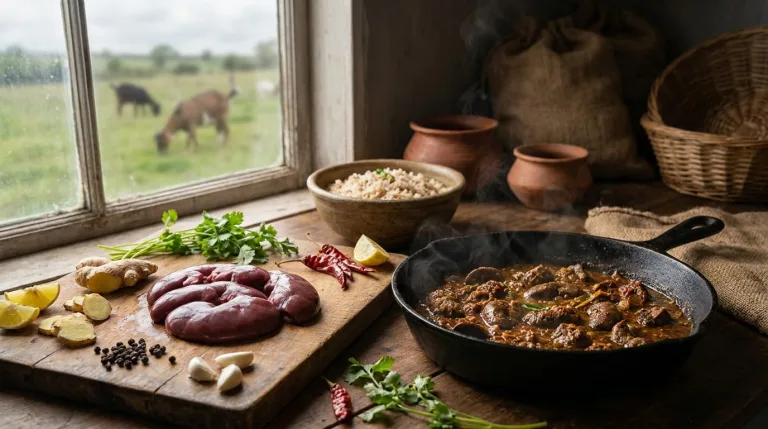
Like any organ meat, proper preparation matters. Goat kidney should be thoroughly cleaned, with the outer membrane and any excess fat trimmed away before cooking, since this helps reduce any strong odor and improves overall texture.
Soaking the kidney in water, milk, or a mixture with vinegar or lemon juice for a period before cooking is a common practice that helps mellow its flavor. From there, it can be grilled, stewed, or cooked into traditional curries, depending on regional preference and taste.
As with any red meat or organ meat, moderation is key, and those with existing kidney conditions or gout should consult a healthcare provider before making it a regular part of their diet.
Why Goat Kidney Deserves a Place on Your Plate
Goat kidney may not be the first cut of meat that comes to mind, but its nutritional profile makes a strong case for giving it a try. From supporting healthy iron levels to delivering essential B12 and high quality protein, this often overlooked organ meat offers real, practical benefits.
Whether you grew up eating it as part of a traditional meal or you are exploring it for the first time, goat kidney is a nutrient dense option worth considering as part of a balanced diet.
Interested in sourcing high quality, farm raised goat products? Visit Multanfarms.com to learn more.