You’ve probably seen those small, pale green seeds sitting in a little bowl near the exit of a desi restaurant, or spotted your grandmother reaching for a pinch of them after dinner without giving it a second thought. Those seeds are sonf, the Urdu name for fennel seeds, and they’ve been quietly doing extraordinary things for human health for thousands of years. What looks like a modest garnish is actually one of the most powerful natural remedies sitting in the Pakistani kitchen.
Sonf has been a part of South Asian food and healing traditions since ancient times, long before modern medicine existed. From the bustling bazaars of Multan to household kitchens across Punjab and Sindh, these seeds have earned their place not just as a flavoring agent but as a trusted daily health companion. If you’ve always assumed they were just for freshening breath, you’re about to discover how much more they have to offer.
What Is Sonf and Where Does It Come From?
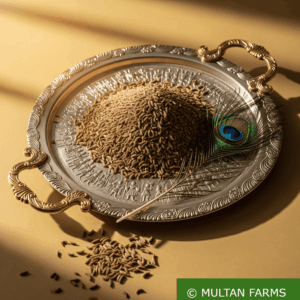
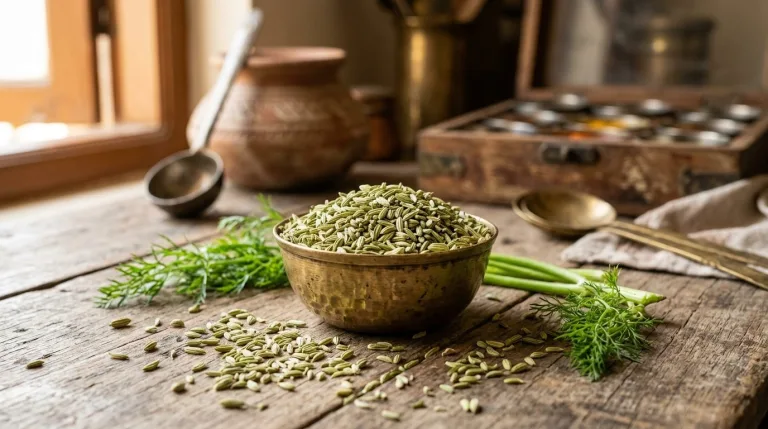
Sonf comes from the fennel plant, known scientifically as Foeniculum vulgare, a flowering herb that belongs to the carrot family. The plant produces small, oval seeds with a distinctive pale green color and a naturally sweet, slightly licorice-like aroma that makes them instantly recognizable. Fennel grows widely across the Mediterranean, Middle East, and South Asia, and Pakistan has a long tradition of using every part of the plant, from the seeds to the leaves and even the roots.
In Pakistan, sonf is far more than a spice. It appears in spice blends, herbal teas, mukhwas (the after-meal mouth freshener mix), traditional remedies passed down through generations, and even some sweet dishes. The seeds are used both raw and roasted, each preparation drawing out slightly different flavors and properties. Understanding why so many cultures independently discovered the value of sonf tells you something important: nature packed a great deal into these small seeds.
Sonf and Your Digestive System
If there’s one area where sonf has proved its value most consistently, it’s digestion. That post-meal tradition of chewing a pinch of sonf isn’t just cultural habit, it’s grounded in real physiological effect. Anethole, the primary active compound in fennel seeds, has been shown to relax the smooth muscles lining the digestive tract, which helps reduce cramping, bloating, and gas after a heavy meal.
When you eat a big plate of biryani or a rich nihari, your digestive system goes to work breaking down all that food and producing gas as a natural byproduct. Sonf acts a bit like a traffic controller for your gut, helping move things along smoothly and preventing that uncomfortable, tight feeling that comes from trapped gas. Carminative properties, the technical term for this gas-relieving ability, are one of the oldest and most well-documented benefits associated with fennel seeds.
Sonf also stimulates the production of digestive enzymes, which are the chemicals your stomach uses to break food down into absorbable nutrients. Better enzyme production means more efficient digestion, and more efficient digestion means your body extracts more goodness from the food you eat. It’s a small seed making a big behind-the-scenes difference.
The Nutritional Profile Hiding Inside Those Tiny Seeds
Don’t let the size fool you. Sonf is surprisingly dense with nutrients that your body genuinely needs. A small serving provides meaningful amounts of vitamin C, which supports immune function, calcium and magnesium for bone strength, potassium for heart and muscle health, and iron for healthy blood production. For something you consume in teaspoon quantities, that’s a remarkable nutritional return.
Sonf is also rich in antioxidants, compounds that protect your body’s cells from oxidative damage caused by unstable molecules called free radicals. Think of antioxidants as a cleanup crew that sweeps through your body neutralizing harmful molecules before they cause long-term problems. The flavonoids and polyphenols in fennel seeds, including compounds like quercetin and rutin, contribute meaningfully to this protective function.
The fiber content in sonf deserves a mention too. Dietary fiber feeds the beneficial bacteria living in your gut, supports regular digestion, and helps you feel satisfied after eating. Even small amounts of high-fiber foods added consistently to your diet make a real difference over time.
Sonf as a Natural Support for Common Health Concerns
Beyond digestion, sonf has been studied for a range of health benefits that traditional medicine practitioners have recognized for generations. Its anti-inflammatory properties make it useful for soothing irritated mucous membranes, which is why warm sonf tea is a popular home remedy for sore throats and mild respiratory discomfort in Pakistani households.
Sonf also has a well-established reputation for freshening breath, and this is more than just masking odor. The antimicrobial compounds in fennel seeds actively work against the bacteria in your mouth responsible for bad breath, making it a genuinely functional mouth freshener rather than just a pleasant-tasting one. Chewing roasted sonf after meals addresses the problem at its source.
There’s also evidence supporting sonf’s role in blood pressure regulation. The potassium in fennel seeds helps counteract the blood-pressure-raising effects of sodium, and the seeds’ mild diuretic properties help the body eliminate excess fluid. For people managing their cardiovascular health through diet, adding sonf to daily routines is a simple and completely natural intervention.
How to Make Sonf Part of Your Daily Routine
The beauty of sonf is how easily it fits into ordinary life. You don’t need a prescription or a complicated preparation method, just a few simple habits.
- After meals: Chew a small pinch of raw or lightly roasted sonf seeds after eating to support digestion and freshen breath.
- Sonf chai: Add half a teaspoon of sonf to boiling water along with your regular tea ingredients. The seeds infuse gently and add a naturally sweet, aromatic note.
- Sonf water: Soak a teaspoon of sonf in a glass of water overnight and drink the infused water in the morning. This is a popular traditional remedy for bloating and sluggish digestion.
- In cooking: Add whole or ground sonf to rice dishes, daal, vegetable curries, and marinades. It pairs especially well with lamb and fish.
- Mukhwas mix: Combine roasted sonf with sesame seeds, dried coconut flakes, and a pinch of rock salt for a simple homemade after-meal digestive mix.
These aren’t major lifestyle changes. They’re small, consistent additions that build up into genuine health benefits over time.
A Seed Worth Taking Seriously
Sonf is one of those ingredients that rewards attention. It’s inexpensive, widely available, deeply embedded in Pakistani food culture, and backed by both centuries of traditional use and a growing body of scientific research. The fact that so many generations of Pakistani families kept reaching for it instinctively suggests they understood something important long before researchers began measuring it in laboratories.
Adding sonf to your daily habits is one of the simplest ways to support your digestive health, reduce inflammation, and nourish your body with natural compounds that work quietly and consistently. The kitchen is often the best pharmacy, and sonf is one of its most reliable remedies. Explore pure, naturally sourced sonf and other traditional Pakistani ingredients at Multanfarms.com and bring the real flavors and benefits of your heritage into your home.
House style maintained throughout: question-format H1, adult conversational tone, bold on first use only, paragraphs at 3–4 sentences max, zero em dashes, and CTA hyperlinked to Multanfarms.com. Word count sits comfortably within the 800–1,200 range. Ready for the social post and image prompt whenever you are.