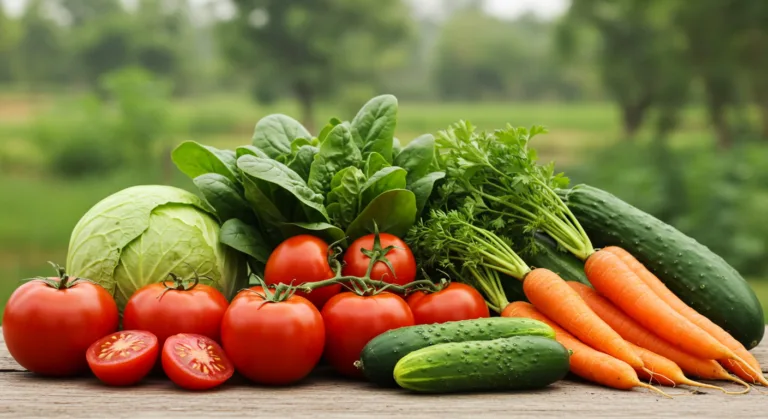
Have you ever bitten into a juicy tomato or crunched on a fresh cucumber and wondered where it came from? In Pakistan, farms are bursting with colorful vegetables that show up in your biryani, curries, and salads. From the spicy kick of green chilies to the hearty potatoes in your favorite aloo dish, these veggies are the stars of every meal! Multanfarms.com is a great place to learn about the farms in Pakistan that grow these delicious crops, and today, we’re diving into the world of common vegetables grown right here.
Imagine walking through a bustling market in Pakistan, with stalls piled high with bright green spinach, vibrant red tomatoes, and shiny eggplants. These vegetables don’t just taste good, they’re packed with nutrients to keep you strong and healthy. In this article, you’ll discover the most popular vegetables grown in Pakistan, why they’re so special, and how they end up on your plate. Ready to explore the veggie wonders of Pakistan’s farms? Let’s get started!
Potatoes: The King of Comfort Food
Let’s kick things off with everyone’s favorite: potatoes! Whether they’re mashed, fried into crispy fries, or cooked into spicy aloo gosht, potatoes are a staple in Pakistan. Farms across the country, especially in Punjab and Sindh, grow tons of these starchy veggies. Did you know that potatoes are like nature’s energy packs? They’re full of carbohydrates, which give you the fuel to run, play, and study.
Think of a potato like a battery for your body. It stores energy from the sun while growing underground, and when you eat it, that energy keeps you going. Farmers in places like Multan, featured on Multanfarms.com, plant potatoes in cool weather because they love the chilly soil. Next time you eat a samosa, thank the potato for making it so filling!
Tomatoes: The Juicy Red Superstars
What’s red, juicy, and makes every curry taste amazing? Tomatoes! These versatile veggies are grown all over Pakistan, from the sunny fields of Sindh to the fertile lands of Punjab. Tomatoes are like the paint in an artist’s palette, they add color and flavor to sauces, salads, and even ketchup.
Tomatoes are packed with vitamins, especially vitamin C, which helps you fight off colds. Imagine them as tiny shields protecting your body! Farmers plant tomatoes in warm seasons, and you’ll often see them in markets, bright and ready to be turned into your favorite dishes. Fun fact: in Pakistan, tomatoes are so popular that they’re used in almost every meal, from breakfast omelets to dinner curries.
Spinach: The Green Powerhouse
Have you ever seen a cartoon character like Popeye get super strong after eating spinach? Well, he’s not totally wrong! Spinach, or palak as it’s called in Pakistan, is a leafy green vegetable that’s a big deal in Pakistani kitchens. It’s grown in places like Lahore and Multan, where the soil is perfect for its deep green leaves.
Spinach is like a multivitamin you can eat, loaded with iron to make your muscles strong and keep you from feeling tired. Farmers love growing spinach because it grows fast and can be harvested multiple times a year. Next time you’re eating palak paneer, think about how this veggie is giving your body a boost. Want to know a cool trick? Blend spinach into a smoothie, and you won’t even taste it, but you’ll still get all its superpowers!
Onions: The Flavor Makers
No Pakistani dish is complete without onions! Whether they’re chopped into a salad, fried until golden for biryani, or blended into a curry paste, onions are everywhere. They’re grown in huge quantities in areas like Hyderabad and Multan, where farmers know how to make them sweet and crunchy.
Onions are like the best supporting actors in a movie, they make every dish better without stealing the show. They’re also great for your health, helping your heart stay strong. Did you know that cutting onions makes you cry because they release a gas that tickles your eyes? Next time you’re in the kitchen, try chilling the onion in the fridge first to keep the tears away!
Green Chilies: The Spicy Kick
Love a little spice in your food? Green chilies are the secret to that fiery flavor in Pakistani dishes. These small but mighty veggies are grown all over Pakistan, especially in warm areas like Sindh and Balochistan. Farmers at places like Multanfarms.com carefully tend to chili plants to make sure they’re just the right level of spicy.
Green chilies are like tiny firecrackers for your taste buds. They’re not just about heat, though, they have vitamin C to keep you healthy. In Pakistan, you’ll see people munching on whole green chilies with their meals, but if you’re not ready for that, just a pinch in your curry will do the trick. Ever tried a spicy tikka? Thank the green chili for that zing!
Eggplants: The Purple Champions
Eggplants, or baingan, are those shiny purple veggies that look like they belong in a fairy tale. They’re super popular in Pakistan, especially in dishes like baingan bharta, where they’re roasted to smoky perfection. Farms in Punjab and Sindh grow eggplants year-round, and they’re a favorite for their creamy texture.
Think of eggplants as the chameleons of the vegetable world, they soak up the flavors of whatever they’re cooked with. They’re also full of fiber, which helps your tummy stay happy. Fun fact: eggplants aren’t just purple, some varieties in Pakistan are white or green! Next time you’re at a market, see if you can spot a funky-colored eggplant.
Why These Veggies Matter to You
So, why should you care about the vegetables grown in Pakistan? Because they’re the reason your meals are so tasty and good for you! From the energy-packed potatoes to the spicy green chilies, these veggies are grown with care by farmers across the country, like those you can learn about on Multanfarms.com. They’re not just food, they’re a big part of Pakistani culture, showing up in every family meal and festival feast.
Next time you sit down to eat, take a moment to think about the journey of your vegetables, from the sunny fields to your plate. Maybe even try growing a small pot of spinach or chilies at home, it’s easier than you think! What’s your favorite veggie from this list, and how do you like to eat it?