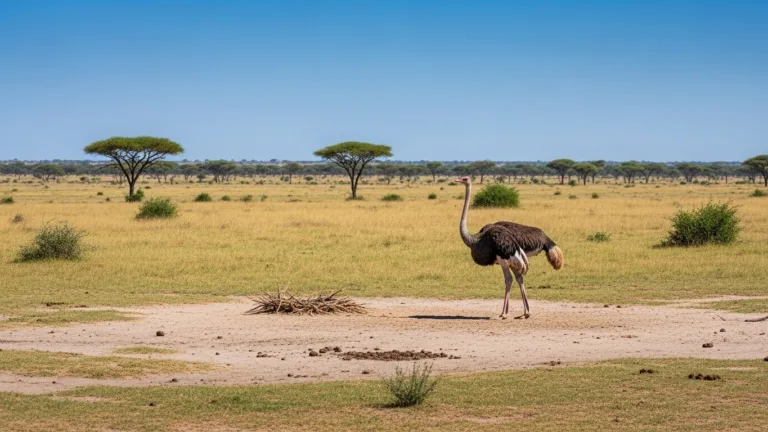
Picture this: you’re standing in front of a bird that’s taller than most adults, weighs more than two people combined, and can run faster than a car driving through your neighborhood. No, you’re not dreaming, you’re looking at an ostrich! These incredible birds are the giants of the bird world, and if you’ve ever wondered what kind of shelter these massive creatures need, you’re in for a fascinating journey.
Ostriches aren’t your typical backyard chickens. They’re wild animals that have been domesticated for farming, and they need special housing to stay healthy, safe, and happy. Whether you’re just curious about these amazing birds or thinking about what it takes to care for them, understanding ostrich shelters gives you a peek into the world of exotic animal care. Let’s explore what makes a good home for the world’s largest bird and why getting it right is so important.
Why Do Ostriches Even Need Shelter?
You might be thinking, “Wait, don’t ostriches live in the African savanna where it’s hot and open?” You’re absolutely right! In the wild, ostriches roam across grasslands and semi-desert areas where trees are scarce. They’re built to handle blazing sun and wide-open spaces. So why would they need shelter at all?
Here’s the thing: even though ostriches are tough birds, they still need protection from extreme weather. Think about it like this, even though you love playing outside, you still need your house when there’s a thunderstorm, freezing temperatures, or when you just need a safe place to rest at night. Ostriches are the same way! While they can handle heat pretty well, they need shade during the hottest parts of the day, protection from heavy rain and wind, and a safe spot to sleep where predators can’t reach them.
On farms like those run by Multanfarms.com, providing proper shelter isn’t just about comfort, it’s about keeping these valuable birds healthy and productive. A stressed or sick ostrich won’t grow properly, won’t produce good quality eggs or meat, and might even become aggressive. Good shelter is like giving them their own piece of the African savanna, adapted to wherever they’re being raised.
The Basics: What Makes a Great Ostrich Shelter?
Building a shelter for an ostrich isn’t like building a doghouse or a chicken coop. These birds have unique needs because of their size, behavior, and natural instincts. Let’s break down the essential elements that every ostrich shelter needs to have.
First up is space, and lots of it. An adult ostrich can stand up to 9 feet tall and needs room to move around comfortably. Imagine trying to live in a closet, you’d feel cramped and stressed, right? Ostriches feel the same way. A good rule is that each ostrich needs at least 50 to 100 square feet of sheltered space. That’s about the size of a small bedroom! And that’s just the shelter, they also need much more space outdoors to run and exercise.
The height of the shelter is super important too. Since ostriches can be as tall as a basketball hoop, their shelter needs to have a roof that’s at least 10 to 12 feet high. This prevents them from bumping their heads (ouch!) and gives them plenty of clearance to move naturally. Think of it like doorways in your house, they’re built tall enough so even the tallest person doesn’t have to duck.
Keeping Them Comfortable: Ventilation and Temperature
Here’s something interesting about ostriches: even though they come from Africa, they can actually adapt to different climates pretty well. However, they still need proper ventilation in their shelters. Ventilation just means air flow, the ability for fresh air to come in and stale air to go out.
Why does this matter so much? Well, like all animals, ostriches produce body heat, and in an enclosed space, that heat can build up fast. Poor ventilation can lead to respiratory problems, kind of like how you might feel stuffy and uncomfortable in a room with no windows on a hot day. Good ostrich shelters have windows, vents, or even open sides with protective barriers that let air flow through while still providing shade and protection.
During winter months in colder climates, ostriches need protection from harsh winds and freezing temperatures. While they have feathers, they’re not as insulating as the down feathers that other birds have. Some farmers add windbreaks or partial walls to their shelters, creating a protected area without completely closing everything off. It’s like having a covered porch, you’re protected from the worst weather but still have fresh air.
The Ground Beneath Their Feet
Let’s talk about flooring, something you probably don’t think about much but is crucial for ostrich health. In the wild, ostriches walk on natural ground, sand, dirt, and grass. On farms, the floor of their shelter needs to mimic this as closely as possible.
Concrete floors might seem like a good idea because they’re easy to clean, but they’re actually terrible for ostriches. Walking on hard concrete all day is like you walking around on a tile floor in socks, it’s slippery, hard on your joints, and just uncomfortable. Ostriches can develop serious leg and foot problems from concrete floors, and since their legs are their most important feature (they use them to run from danger and even to fight), healthy legs are essential.
The best flooring option is sand or dirt with good drainage. This gives the birds’ feet natural cushioning and allows them to exhibit natural behaviors like dust bathing. Dust bathing is when birds roll around in dirt or sand to clean their feathers and skin, kind of like how you take a shower to stay clean. It’s an important behavior that keeps ostriches healthy and happy. Some farmers also use deep straw bedding over dirt, which adds extra comfort and absorbs moisture.
Protection From Predators and Weather
Even on a farm, ostriches need protection from potential threats. While adult ostriches are pretty intimidating (they can kick hard enough to seriously hurt a lion!), their chicks are vulnerable, and all ostriches need safe places to rest without constantly watching for danger.
Strong fencing around the shelter area is essential. Ostriches are curious and sometimes aggressive, especially during breeding season, so fences need to be at least 6 feet tall and made of sturdy materials. The fencing also keeps other animals out, protecting the ostriches from dogs, coyotes, or other predators that might wander by at night. Think of it as the walls around a castle, they create a safe zone where the ostriches can relax.
The shelter also needs a solid roof to protect from rain, hail, and intense sun. Some farmers use metal roofing, while others prefer materials that don’t heat up as much in the sun. Whatever material is used, it needs to be secure enough to withstand strong winds. An ostrich shelter that falls apart in a storm isn’t much help to anyone!
Special Features for Happy, Healthy Ostriches
Beyond the basics, there are some extra features that can make an ostrich shelter even better. Separate pens within the shelter are useful for managing different groups of birds. For example, you might want to keep breeding pairs separate from young birds, or isolate a sick bird until it recovers. It’s like having different rooms in your house for different purposes, you wouldn’t do your homework in the kitchen if you could have your own quiet study space!
Easy access to food and water is another important feature. Water containers need to be sturdy enough that an ostrich can’t knock them over (remember, these birds are strong!), and they should be positioned so birds can drink comfortably. Food troughs work similarly. Some farmers design their shelters so they can fill food and water from outside the pen, which is safer and more convenient.
Finally, good lighting helps too, especially in areas with long, dark winters. Natural light is best, so shelters with windows or translucent roofing panels work great. If artificial lighting is needed, it should be positioned where curious ostriches can’t peck at it or damage it.
Why This All Matters
Understanding ostrich shelters teaches us something important about animal care: different animals have different needs, and meeting those needs takes knowledge, planning, and effort. Farms like Multanfarms.com that raise ostriches successfully do so because they respect what these birds require to thrive.
Good shelter design also affects the quality of products that come from ostriches. Healthy, stress-free birds produce better meat, eggs, and even feathers and leather. It’s a win-win situation where taking good care of the animals also makes good business sense. Plus, well-cared-for ostriches are more likely to live long, healthy lives, which is just the right thing to do.
Wrapping It All Up
Building the right shelter for an ostrich is like solving a puzzle. You need to consider their size, their natural behaviors, their physical needs, and the environment they’re living in. Get it right, and you’ll have healthy, happy birds. Get it wrong, and you’ll have stressed animals with health problems.
Whether you’re fascinated by these incredible birds or just learning about them for the first time, remember that ostriches are a perfect example of how amazing and complex nature can be. These birds have survived for millions of years by adapting to their environment, and when humans decide to raise them, we need to adapt our care to match their needs. Pretty cool, right? So next time you see an ostrich, whether in a zoo, on a farm, or even in a video, you’ll know a lot more about what it takes to keep these remarkable birds comfortable and thriving. What other unusual animals do you think have interesting housing needs?