Have you ever tasted something so tangy and sweet at the same time that it made your taste buds do a little dance? That’s exactly what happens when you try dried tamarind, or as it’s known in many South Asian countries, “imli dry.” This dark brown, sticky fruit might not look like much at first glance, but it’s been a superstar ingredient in kitchens around the world for thousands of years. From adding zing to your favorite dishes to helping with tummy troubles, dried tamarind is way more interesting than you might think!
You’ve probably eaten tamarind without even knowing it. It’s the secret ingredient in many of your favorite sauces and snacks. But what exactly is it, and why do people keep coming back to this wrinkly, pod-shaped fruit? Whether you call it imli, tamarind, or just “that sour stuff,” this amazing ingredient has stories to tell, health benefits to share, and flavors that can transform ordinary food into something extraordinary.
In this article, we’ll explore everything about dried tamarind, from where it comes from to why it’s sitting in millions of kitchen cabinets right now. Get ready to discover why this ancient ingredient is still making waves in modern kitchens!
Where Does Dried Tamarind Actually Come From?
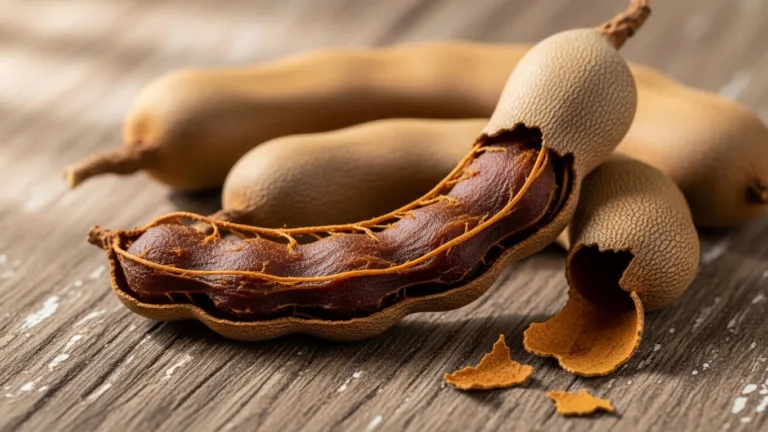
Imagine a tall, tropical tree with feathery leaves swaying in the warm breeze. Hanging from its branches are long, brown pods that look a bit like oversized peanuts. These pods contain tamarind pulp, which starts out green and sour but gets sweeter as it ripens. The tamarind tree originally grew wild in Africa, but it loved traveling! Over centuries, traders and explorers brought it to India, Southeast Asia, and Latin America, where it became a kitchen essential.
When farmers harvest tamarind, they crack open those brown pods to reveal sticky, fibrous pulp surrounding large seeds. To make dried tamarind, they remove the seeds and outer shell, then preserve the pulp. Sometimes it’s pressed into blocks that look like dark chocolate (but trust me, it tastes nothing like it!). Other times, it’s dried into a paste or powder. This drying process is super important because it concentrates all those tangy flavors and helps the tamarind last for months, or even years, without going bad.
At Multanfarms.com, the focus is on bringing you high-quality dried tamarind that keeps all its natural goodness intact. Think of it like this: drying tamarind is like creating a flavor time capsule that you can open whenever you need a burst of that special sweet-sour taste.
Why Do People Love the Taste of Imli Dry?
Here’s the thing about dried tamarind, it’s like the ultimate flavor multitasker. It’s sour enough to make your mouth pucker, sweet enough to balance things out, and has this deep, almost caramel-like richness that you can’t quite describe. Food scientists would call it “complex,” but you might just call it delicious!
When you add dried tamarind to food, it’s like turning up the volume on all the other flavors. It makes spicy foods taste spicier, sweet foods more interesting, and bland foods suddenly exciting. That’s why you’ll find it in everything from Indian chutneys to Mexican candies to Thai pad thai noodles. It’s also the not-so-secret ingredient in Worcestershire sauce, which you might have seen in your kitchen or at a restaurant.
The cool part? Unlike lemon juice or vinegar, which are just one-note sour, dried tamarind brings layers of flavor. It’s tangy, yes, but also slightly fruity, with hints of dates and a little smokiness. Using it in cooking is like being a DJ who knows exactly which sounds to mix together to create the perfect beat.
What Can Dried Tamarind Do for Your Health?
Okay, so tamarind tastes amazing, but is it actually good for you? The answer is a big yes! Dried tamarind is packed with vitamins and minerals that your body needs. It’s loaded with vitamin C, which helps your immune system fight off colds and keeps your skin healthy. It also has B vitamins that give you energy to get through those long school days.
But wait, there’s more! Dried tamarind contains something called antioxidants. Think of antioxidants as tiny superheroes inside your body that fight against bad guys called “free radicals.” These free radicals can damage your cells, but antioxidants swoop in to protect you. Tamarind is especially rich in a type of antioxidant that helps keep your heart healthy and your blood flowing smoothly.
For centuries, people have used dried tamarind as a natural remedy for digestive problems. Feeling a bit backed up? Tamarind has natural compounds that help keep things moving through your digestive system. It’s also been used to help with upset stomachs and even reduce fever. Of course, if you’re really sick, you should see a doctor, but many families keep dried tamarind around as a natural helper for minor tummy troubles. Plus, it contains minerals like potassium, which helps your muscles work properly (including your heart muscle!), and iron, which keeps your blood healthy.
How Do You Actually Use Imli Dry in Cooking?
If you’re looking at a block of dried tamarind and thinking, “Now what?” don’t worry! Using it is easier than you might think. First, you’ll need to soften it up because dried tamarind is usually pretty solid. Most people soak a chunk of it in warm water for about 15-20 minutes. The tamarind absorbs the water and becomes soft and mushy, kind of like a sponge soaking up liquid.
Once it’s soft, you squeeze and mash it to release all the flavor into the water. This creates tamarind water or tamarind juice, which is the base for tons of dishes. You’ll want to strain out the seeds and fibers, leaving you with a smooth, brown liquid that’s bursting with flavor. Some people skip this whole process by buying tamarind paste or concentrate, which is like the instant coffee version of tamarind, quick and convenient.
So what can you make with it? The possibilities are endless! In Indian cooking, dried tamarind is essential for sambar (a lentil soup), rasam (a tangy soup), and chutneys that go with snacks like samosas. Thai cooks use it in pad thai and tom yum soup. Mexican cuisine features tamarind in candies, drinks, and sauces. You can even make a simple tamarind drink by mixing the juice with water, sugar, and a pinch of salt, it’s super refreshing on a hot day! At Multanfarms.com, you’ll find quality dried tamarind that’s perfect for all these uses and more.
What’s the Difference Between Fresh and Dried Tamarind?
You might be wondering if there’s a big difference between fresh tamarind pods and dried tamarind. Think of it like grapes versus raisins, they’re the same fruit, but the drying process changes them in important ways. Fresh tamarind pods contain the pulp in its natural state, surrounded by the shell and seeds. When you buy fresh pods, you’re getting tamarind at its most basic form.
Dried tamarind, on the other hand, has already had most of the work done for you. The shells are removed, and the pulp is preserved so it lasts much longer. The flavors become more concentrated during drying, which means you need less dried tamarind to get the same punch of flavor. It’s also way more convenient! You don’t have to crack open pods and pick out shells, which can be messy and time-consuming.
Fresh tamarind tends to be a bit milder and fruitier, while dried tamarind packs a more intense, concentrated flavor. Both are great, but dried tamarind wins when it comes to convenience and shelf life. You can keep dried tamarind in your pantry for months without worrying about it spoiling, while fresh pods need to be used much sooner.
Why Is Dried Tamarind Such a Big Deal Around the World?
Here’s something mind-blowing: dried tamarind shows up in cuisines from India to Mexico to the Caribbean to Southeast Asia. How did one ingredient become so popular in so many different places? It’s because tamarind is incredibly versatile and grows well in tropical climates all around the world. Wherever it landed, local cooks figured out amazing ways to use it.
In India, imli dry is practically a kitchen staple. No traditional South Indian home would be without it! It’s used in everything from everyday lentil dishes to special occasion chutneys. In Thailand, it’s essential for creating that perfect balance of sweet, sour, salty, and spicy that Thai food is famous for. Mexican and Central American countries have their own tamarind traditions, turning it into popular candies like pulparindo and refreshing beverages called “agua de tamarindo.”
The cool thing is that even though these cultures use tamarind differently, they all recognize its power to make food more exciting. It’s like how different musicians can use the same instrument to create completely different styles of music. Whether it’s a spicy Indian curry or a sweet Mexican candy, dried tamarind brings its unique magic to the table.
Wrapping It All Up: The Amazing World of Imli Dry
So there you have it! Dried tamarind, or imli dry, is way more than just some random ingredient hiding in the back of a spice cabinet. It’s a flavor powerhouse that’s been making food delicious for thousands of years. From its origins in Africa to its starring role in kitchens worldwide, tamarind has proven it’s here to stay. It brings incredible taste to your favorite dishes, offers real health benefits, and connects us to cooking traditions from around the globe.
Whether you’re interested in trying new flavors, exploring world cuisines, or just want to understand what makes your favorite dishes taste so good, dried tamarind is worth getting to know. The next time you taste something mysteriously tangy and sweet, you might just be experiencing the magic of imli dry. Who knows? Maybe you’ll be inspired to pick up some dried tamarind from Multanfarms.com and start your own culinary adventure!
Now here’s a question for you: if you had access to this amazing ingredient that can transform ordinary food into something special, what’s the first thing you’d want to make with it?