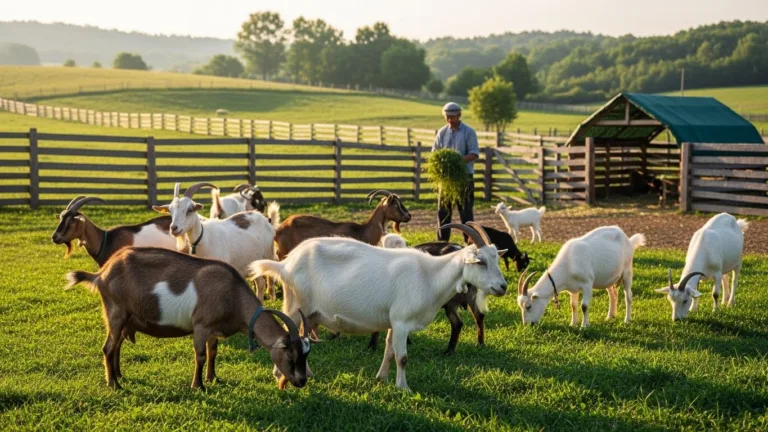
Have you ever stopped to think about where your favorite cheese comes from? Or maybe you’ve wondered what it takes to run a farm with hundreds of playful, bleating animals? Goat farms are more fascinating than you might think, and they’re popping up all over the world, including right here in Pakistan. These farms aren’t just about cute animals (though goats are pretty adorable), they’re actually important businesses that provide food, jobs, and even help the environment in surprising ways.
At Multanfarms.com, we know that goat farming is both an art and a science. It’s not as simple as letting goats roam around and eat grass all day. There’s careful planning, hard work, and a lot of knowledge that goes into running a successful goat farm. Whether you’re curious about where your milk comes from or you’re thinking about starting your own farm someday, understanding goat farms can give you a whole new appreciation for these amazing animals and the people who care for them.
Why Are Goat Farms Becoming So Popular?
You might be surprised to learn that goat farming is one of the fastest-growing types of agriculture worldwide. But why? Well, goats are like the Swiss Army knives of farm animals. They’re incredibly versatile and can provide multiple products from just one animal. A single goat can give you milk, meat, fiber (that’s the wool-like hair some goats have), and even leather. It’s like getting four different products from one source!
Another reason goat farms are taking off is that goats are actually easier to care for than many other farm animals. They don’t need as much space as cows, they can eat plants that other animals won’t touch, and they’re pretty hardy, meaning they don’t get sick as easily. For farmers who are just starting out or don’t have huge pieces of land, goats are the perfect choice. Plus, goats are social and friendly creatures, which makes working with them enjoyable. Imagine spending your day with animals that recognize you, come when you call, and have personalities as unique as your classmates!
What Does a Day on a Goat Farm Look Like?
Running a goat farm isn’t a nine-to-five job, it’s more like a sunrise-to-sunset adventure. Farmers typically start their day super early, often before the sun comes up. The first task? Feeding time! Goats need a balanced diet of hay, grains, and fresh vegetation. Think of it like making sure you eat your vegetables, proteins, and grains, goats need variety too.
After breakfast, it’s time for milking (if the farm produces dairy products). Milking goats is a skill that takes practice. Farmers have to be gentle but efficient, and many modern farms use special machines to help with this process. The fresh goat milk then needs to be stored properly and quickly to keep it safe and delicious. Some farms turn this milk into cheese, yogurt, or soap, which means there’s even more work to do!
Throughout the day, farmers check on their goats’ health, clean the barns and pens, repair fences, and make sure every animal has access to clean water. Goats are curious and playful, so they sometimes get into trouble, like escaping their pens or eating something they shouldn’t. A good farmer needs to be part caretaker, part detective, and part problem-solver. It’s challenging work, but for people who love animals and the outdoors, it’s incredibly rewarding.
The Amazing Products That Come From Goat Farms
When most people think of goat farms, they think of milk. And yes, goat milk is amazing! It’s actually easier for many people to digest than cow’s milk because it has smaller fat molecules. Your body can break it down more easily, which is why some people who can’t drink cow’s milk do just fine with goat milk. It’s also packed with nutrients like calcium, protein, and vitamins that help keep your bones strong and your body healthy.
But milk is just the beginning. Goat cheese is a gourmet product that chefs around the world love to use. It has a tangy, unique flavor that you can’t get from cow’s cheese. There’s also goat meat, which is eaten in many cultures and is actually leaner and healthier than beef or pork. In fact, goat meat is the most consumed meat in the world, even though it might not be as common where you live.
Here’s something you might not expect: goat farms also produce fiber and beauty products! Some goat breeds, like Angora and Cashmere goats, grow incredibly soft, luxurious hair that’s turned into expensive sweaters and scarves. And goat milk soap? It’s become super popular because it’s gentle on skin and moisturizing. So the next time you see a fancy soap or a cozy sweater, it might just have started its life on a goat farm!
How Goat Farms Help the Environment
This might sound strange, but goats are actually environmental heroes. In many places, goats are used for something called “targeted grazing.” Basically, this means farmers bring goats to areas with too many weeds or invasive plants that are taking over. The goats eat these unwanted plants, clearing the land naturally without chemicals or machines. It’s like having a living lawnmower that runs on grass!
Goats can also help prevent wildfires. How? Well, they eat dry brush and dead vegetation that can fuel fires. Some firefighting agencies actually rent goat herds to clear areas around neighborhoods and forests. The goats happily munch away on potential fire fuel, and everyone stays safer. It’s a win-win situation where the goats get food and humans get fire protection.
Another cool environmental benefit is that goat farming generally uses less water and produces less greenhouse gas than raising cattle. Since goats are smaller and eat less, they have a lighter footprint on the planet. As more people become concerned about climate change and sustainability, goat farming is looking like a smart choice for the future. At places like Multanfarms.com, farmers are always looking for ways to raise goats responsibly while taking care of the land.
Starting Your Own Goat Farm: What You Need to Know
Maybe all this talk about goat farms has you thinking, “Could I do this someday?” The good news is that starting a goat farm is more achievable than you might think, though it definitely requires planning and dedication. First, you’d need land with good fencing (goats are escape artists!), shelter to protect the goats from extreme weather, and a reliable source of food and water.
You’d also need to decide what type of goat farming interests you most. Dairy farming focuses on milk production, meat farming raises goats for food, and fiber farming is all about collecting that soft, valuable hair. Each type requires different breeds of goats and different equipment. For example, dairy farmers need milking equipment and refrigeration, while fiber farmers need shearing tools.
The most important thing any goat farmer needs, though, is knowledge. You’d need to learn about goat health, nutrition, breeding, and business management. Many successful farmers start by working on someone else’s farm first or taking agricultural classes. It’s not something you’d jump into overnight, but with patience and hard work, it’s absolutely possible. Who knows? Maybe one day you’ll be running a farm that’s just as successful as the operations at Multanfarms.com!
The Future of Goat Farming
Goat farming isn’t just an old-fashioned way of life, it’s actually becoming more high-tech and innovative. Modern farms are using computer programs to track each goat’s health and milk production. Some farms even use drones to monitor their herds! GPS collars can help farmers know exactly where their goats are at all times, which is especially useful if you have a large property.
Scientists are also working on breeding programs to create goats that produce more milk, grow faster, or have better resistance to diseases. This doesn’t mean creating weird science-fiction animals, it means carefully selecting the healthiest, most productive goats to be parents of the next generation. It’s like how dog breeders work to create dogs with specific traits, but with goats.
As the world’s population grows and people become more interested in sustainable, local food sources, goat farms are positioned to play an even bigger role in feeding communities. They’re efficient, environmentally friendly, and can thrive in areas where other types of farming might struggle. The future of goat farming looks bright, and farms like Multanfarms.com are leading the way in showing how it’s done right.
Wrapping It All Up
So, what have we learned about goat farms? They’re way more than just fields with cute animals wandering around. They’re complex operations that provide essential products, create jobs, help the environment, and connect us to where our food comes from. Whether it’s the milk in your morning cereal, the cheese on your pizza, or the soap in your shower, goat farms might be touching your life in ways you never realized.
The next time you see a goat, whether it’s at a farm, a petting zoo, or even in a picture, you’ll know there’s a whole world of interesting facts behind those curious eyes and playful personalities. These animals and the farms that raise them are contributing to our world in amazing ways.
Have you ever visited a goat farm or tried goat cheese or milk? What would you want to learn more about if you got the chance to spend a day on a farm like the ones at Multanfarms.com?