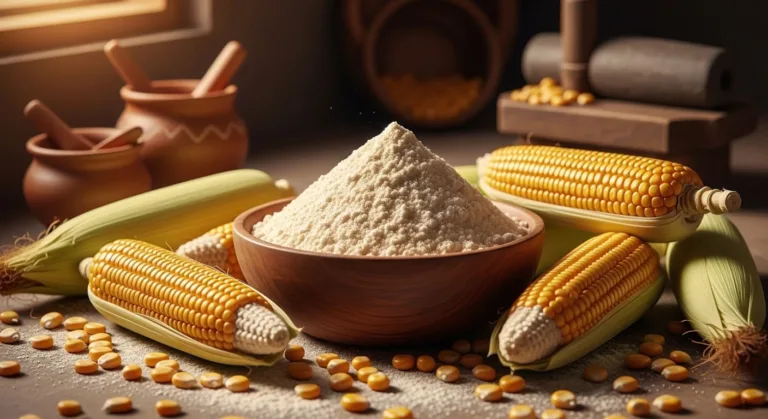
Have you ever walked past a cornfield and wondered what happens to all that golden corn after it’s harvested? Well, here’s something pretty cool: some of that corn gets ground into a flour called makai ka aata, and it’s been feeding families for thousands of years! If you’ve ever eaten a corn tortilla, polenta, or certain types of bread, you’ve already tasted this amazing flour without even knowing it.
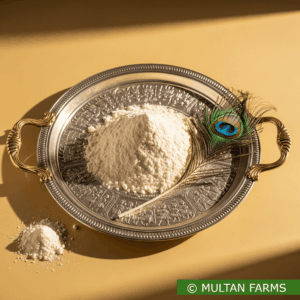
Makai ka aata is simply the Urdu/Hindi term for cornmeal or corn flour, and it’s one of the oldest types of flour used by humans. While wheat flour might be the star of the show in many kitchens, corn flour has some pretty impressive tricks up its sleeve. From being naturally gluten-free to packed with nutrients your body loves, this yellow powder deserves way more attention than it usually gets. Let’s dig into why makai ka aata might just become your new favorite ingredient!
Where Does Makai Ka Aata Actually Come From?
The story of corn flour starts in the fields where corn (maize) grows tall and strong. Farmers at places like Multanfarms.com grow special varieties of corn that are perfect for making flour. Once the corn is harvested and dried, the kernels go through a grinding process that turns them into the fine or coarse powder we call makai ka aata.
What’s really interesting is that different cultures grind their corn differently. Some prefer it super fine, almost like regular flour, while others like it a bit coarser with more texture. In Pakistan and India, you’ll often find a medium-grind version that’s perfect for making makki di roti, a traditional flatbread that’s absolutely delicious when paired with sarson da saag (mustard greens).
The color can range from bright yellow to almost white, depending on the type of corn used. Yellow corn flour has a sweeter, more robust flavor, while white corn flour tends to be a bit milder. Think of it like the difference between yellow and white cheese, they’re similar but each has its own personality!
Why Your Body Will Thank You for Eating Makai Ka Aata
Here’s where things get really exciting. Makai ka aata isn’t just tasty, it’s actually pretty good for you! First off, it’s naturally gluten-free, which means people who can’t eat wheat, barley, or rye can still enjoy bread, pancakes, and other baked goods made from corn flour. Imagine being told you can’t eat regular bread, corn flour becomes a lifesaver!
This golden flour is also loaded with fiber, which is basically nature’s broom for your digestive system. Fiber helps keep everything moving smoothly (if you know what I mean!) and can help you feel full longer after meals. One cup of makai ka aata contains about 8-9 grams of fiber, that’s roughly the same amount you’d find in a large apple and a banana combined!
But wait, there’s more! Corn flour contains important vitamins and minerals like vitamin B, iron, and magnesium. Vitamin B helps your body turn food into energy (think of it as your body’s battery charger), iron carries oxygen in your blood, and magnesium helps your muscles and nerves work properly. It’s also got antioxidants called carotenoids, which give corn its yellow color and help protect your cells from damage.
What Can You Actually Make with Makai Ka Aata?
Now for the fun part, cooking! Makai ka aata is incredibly versatile, which means you can make tons of different dishes with it. In South Asia, makki di roti is probably the most famous use. These thick, rustic flatbreads are a winter staple and taste amazing with a dollop of butter on top.
You can also make corn tortillas, which are the foundation of so many Mexican dishes like tacos, quesadillas, and enchiladas. Cornbread, a beloved dish in the American South, gets its signature texture and slightly sweet flavor from corn flour. And if you’ve ever had polenta (a creamy Italian dish), that’s made from coarse corn flour too!
But here’s something you might not know: you can add makai ka aata to regular baking recipes to make them more interesting. Try replacing about one-fourth of the regular flour in muffins or pancakes with corn flour, you’ll get a slightly sweeter flavor and a prettier golden color. Some people even use it to coat chicken or fish before frying because it creates an extra-crispy crust!
How Is Makai Ka Aata Different from Regular Wheat Flour?
If you’re used to cooking with wheat flour (atta), corn flour will feel a bit different. First, the texture is grainier, even when it’s finely ground. When you touch it, you can feel tiny particles instead of that super-smooth feeling of wheat flour.
The taste is another big difference. Makai ka aata has a naturally sweet, corn-like flavor that’s pretty distinct. It’s not sugary-sweet, but there’s definitely a pleasant sweetness that wheat flour doesn’t have. Some people love this flavor, while others need to get used to it.
Here’s the tricky part: corn flour doesn’t contain gluten, which is the protein that makes bread dough stretchy and elastic. When you knead wheat dough, it becomes smooth and bouncy because of gluten. Corn flour dough, on the other hand, is more crumbly and less cooperative. That’s why traditional makki di roti can sometimes crack at the edges, it’s just the nature of the flour! Many cooks mix corn flour with a little wheat flour to get the best of both worlds.
Tips for Cooking with Makai Ka Aata Like a Pro
If you’re new to cooking with corn flour, don’t worry, it’s not that complicated! Here are some insider tips that’ll make your cooking adventure easier. First, use warm water when making dough. Cold water makes corn flour dough even more crumbly and difficult to handle, but warm water helps it come together better.
Second, knead the dough gently but quickly. Unlike wheat dough that gets better with lots of kneading, corn flour dough can actually fall apart if you work it too much. Think of it like building a sandcastle, you want to press it together firmly but carefully.
When rolling out rotis or tortillas, use a plastic sheet or parchment paper to prevent sticking. Corn flour dough is stickier than wheat dough, and this little trick makes life so much easier. You can also dust your work surface with a bit more corn flour to help things along.
For baking, remember that corn flour absorbs liquid differently than wheat flour. You might need to adjust the amount of water or milk in your recipe. Start with a little less liquid than you think you’ll need, you can always add more, but you can’t take it away!
Where Can You Find Good Quality Makai Ka Aata?
Finding quality corn flour is pretty easy these days. Local grocery stores usually stock it in the baking aisle or the international foods section. If you’re looking for fresher, locally-sourced options, farms like Multanfarms.com often provide high-quality makai ka aata that’s been processed with care.
When shopping, check the package date to make sure it’s fresh. Corn flour can go rancid if it’s too old because it contains natural oils. Store it in an airtight container in a cool, dry place, or even in the refrigerator if you want it to last longer. Fresh corn flour has a sweet, pleasant smell, if it smells musty or off, it’s time to toss it out.
You might see terms like “fine,” “medium,” or “coarse” grind on packages. For most baking and roti-making, medium grind works great. Coarse grind is better for dishes like polenta, while fine grind is ideal for delicate baked goods or when you want to mix it with other flours.
Making the Switch: Why You Should Try Makai Ka Aata
So, why should you care about corn flour when wheat flour works just fine? Well, variety is the spice of life! Trying different ingredients keeps cooking interesting and helps you discover new favorite foods. Plus, makai ka aata brings unique flavors and textures to your table that you simply can’t get from wheat.
If you or someone in your family needs to avoid gluten, corn flour opens up a whole world of possibilities. You don’t have to give up bread, pancakes, or baked treats, you just make them differently! And even if gluten isn’t an issue, the nutritional benefits and distinctive taste make it worth experimenting with.
There’s also something pretty cool about connecting with traditional foods that people have been eating for generations. When you make makki di roti, you’re participating in a culinary tradition that goes back hundreds of years. That’s pretty awesome when you think about it!
Wrapping It All Up
Makai ka aata might seem like just another type of flour, but it’s actually a nutritional powerhouse with a rich history and tons of culinary possibilities. Whether you’re making traditional makki di roti, experimenting with corn tortillas, or adding it to your baking recipes, this golden flour brings something special to every dish.
From its gluten-free nature to its fiber content and vitamins, corn flour offers real health benefits while delivering that distinctive, slightly sweet corn flavor. Sure, it behaves a bit differently than wheat flour in the kitchen, but with a few simple tricks, you’ll be cooking with it like a pro in no time.
So here’s a challenge for you: next time you’re at the grocery store or browsing Multanfarms.com, grab a bag of makai ka aata and try making something new. Whether it’s a simple roti, a batch of cornbread, or crispy corn-crusted chicken, you might just discover your new favorite food. Who knows? You might become the corn flour expert among your friends and family! What will you make first?