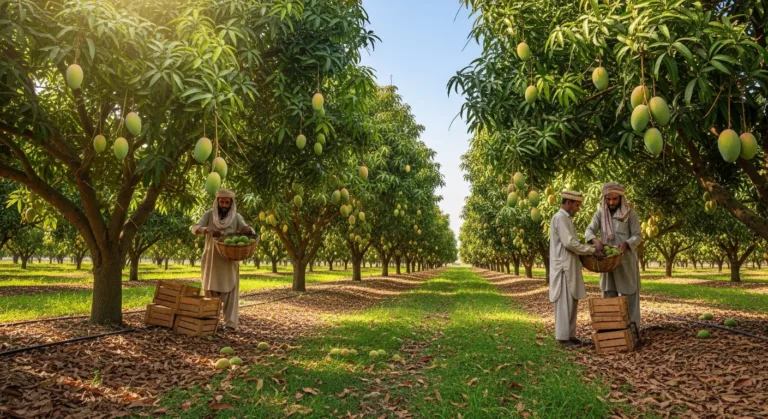
Picture this: it’s a hot summer day, and you’re biting into a juicy, sweet mango. The golden flesh practically melts in your mouth, and the tropical flavor makes you feel like you’re on a beach vacation even if you’re just sitting in your kitchen. But have you ever stopped to wonder where that incredible fruit came from? Somewhere out there, possibly thousands of miles away, a farmer worked hard to grow that perfect mango on a special kind of farm dedicated entirely to this tropical treasure.
Mango farms are way more fascinating than you might think! They’re not just fields with a bunch of trees randomly planted everywhere. These farms are carefully planned operations that combine science, tradition, and a whole lot of patience. From tiny blossoms to ripe fruit ready for your smoothie, the journey of a mango is filled with interesting challenges and surprises.
In this article, we’ll explore what mango farms really look like, discover how farmers grow these delicious fruits, learn about the challenges they face, and understand why mangoes are called the “king of fruits” in many parts of the world. Whether you’ve eaten a hundred mangoes or you’re just mango-curious, you’re about to learn some seriously cool stuff!
What Exactly Is a Mango Farm?
A mango farm, also called a mango orchard, is basically a piece of land specially dedicated to growing mango trees for their fruit. But here’s the thing, it’s not as simple as just sticking some trees in the ground and waiting for mangoes to appear!
Mango farms can range from small family operations with just a few dozen trees to massive commercial farms covering hundreds of acres with thousands of trees. In places like India, Pakistan, Mexico, and Thailand, mango farming is a huge industry that provides jobs for millions of people. Websites like Multanfarms.com often connect consumers with farms that grow quality mangoes and other agricultural products.
These farms are usually located in warm, tropical or subtropical climates because mango trees are pretty picky about their living conditions. They love sunshine, hate frost, and need just the right amount of rain. Think of mango trees like that friend who can only sleep with the temperature exactly right, three blankets, and complete darkness. They’re a bit high-maintenance, but totally worth it!
From Seed to Sweet Success: How Mangoes Grow
Here’s something that might blow your mind: if you planted a mango seed from the fruit you just ate, the tree that grows probably won’t produce the same type of mango! Weird, right? That’s why most mango farmers use a technique called grafting, which is basically like giving a tree a superpower upgrade.
Grafting means taking a cutting from a tree that produces amazing mangoes and attaching it to a stronger root system from another tree. It’s like combining the best features of two different trees into one super-tree! This way, farmers know exactly what kind of mangoes they’ll get, and the trees start producing fruit much faster, usually within 3-5 years instead of 8-10 years.
Once the trees are established, they follow a pretty cool annual cycle. First, tiny flowers appear (and there can be thousands of them on a single tree!). Then bees and other insects pollinate these flowers. After pollination, small green mangoes start forming, and over the next few months, they grow bigger and sweeter. Finally, depending on the variety, the mangoes change color, some turn yellow, others stay green, some become red or orange, and they’re ready to harvest!
The Daily Life on a Mango Farm
So what does a mango farmer actually do all day? Way more than you might think! Running a mango farm is like being a detective, a scientist, a weather forecaster, and a gardener all rolled into one.
Morning tasks often include inspecting trees for pests and diseases. Just like you might get a cold, mango trees can get sick too! Farmers look for signs of trouble like weird spots on leaves, unusual insects, or branches that look unhealthy. Catching problems early can save an entire crop.
Watering is a huge deal, especially during dry seasons. Many modern mango farms use drip irrigation, which is a smart system that delivers water directly to the tree roots through tubes. This saves water and makes sure each tree gets exactly what it needs. It’s kind of like having a water fountain that knows when you’re thirsty and automatically gives you the perfect amount to drink!
Fertilizing happens several times a year. Mango trees need nutrients like nitrogen, phosphorus, and potassium to grow healthy and produce sweet fruit. Farmers often test their soil to know exactly what nutrients to add, sort of like how a doctor might do blood tests to see what vitamins you need.
Pruning, which means trimming branches, is also super important. Farmers cut away dead or overcrowded branches so sunlight can reach all parts of the tree and air can flow through. This keeps the tree healthy and makes harvesting easier.
Harvest Time: The Most Exciting Season
Harvest season is when all that hard work pays off! Depending on where the farm is located and what varieties they grow, this can happen anywhere from March to September. Some farms even have mangoes ripening at different times throughout the year, which is pretty convenient for keeping customers happy year-round.
Here’s something interesting: mangoes don’t all ripen at once, even on the same tree! This means farmers can’t just show up one day and pick everything. Instead, they have to carefully check each mango to see if it’s ready. They look for signs like the right color, a slight softness when gently squeezed, and sometimes they even pay attention to the smell near the stem!
Many mangoes are actually picked while they’re still slightly unripe. Why? Because mangoes continue to ripen after they’re picked, and this gives farmers time to transport them to markets near and far without the fruit getting overripe and mushy. It’s like picking up a library book before you’re ready to read it, you get it early so it’s there when you need it!
The harvesting process itself can be done by hand or with special tools like mango pickers, which are long poles with baskets or hooks on the end. Workers have to be super careful not to bruise the fruit because even a small bruise can cause the mango to rot faster. On large commercial farms, thousands of mangoes might be harvested in a single day!
Challenges That Mango Farmers Face
Growing mangoes isn’t all sunshine and sweet fruit. Farmers deal with some serious challenges that would make even the toughest video game boss seem easy!
Weather problems are probably the biggest headache. Too much rain during flowering season can wash away pollen and reduce the crop. Not enough rain means farmers have to use more irrigation, which costs money. And don’t even get started on storms or hail, which can destroy months of hard work in minutes.
Pests and diseases are constant threats. Fruit flies love to lay eggs in mangoes (gross, right?), which ruins the fruit. Fungal diseases can spread quickly in humid conditions. Farmers have to constantly monitor their trees and sometimes use organic or chemical treatments to protect their crops.
Market prices can be unpredictable too. Sometimes there’s a huge mango harvest everywhere at once, which means prices drop because there’s so much supply. Other times, a poor harvest means prices go up, but farmers have less fruit to sell. It’s a tricky balance!
Climate change is making farming harder too. Traditional weather patterns are shifting, which means farmers can’t always rely on the timing they’re used to. Some regions are getting hotter and drier, while others face more extreme weather events.
Different Types of Mangoes You’ll Find on Farms
Did you know there are hundreds of different mango varieties? Each one has its own unique flavor, texture, and appearance. It’s like how there are tons of different types of apples, but even more diverse!
Alphonso mangoes from India are often called the best in the world. They’re super creamy, almost like a mango-flavored pudding, and have this amazing sweet aroma.
Tommy Atkins is probably the variety you see most often in supermarkets. They’re large, have red and green skin, and can handle shipping really well without getting damaged.
Ataulfo mangoes (also called honey mangoes) are smaller, golden-yellow, and incredibly sweet. They have a smooth, non-fibrous flesh that makes them perfect for eating fresh.
Chaunsa mangoes, popular in Pakistan and found in regions near Multan, are incredibly fragrant and sweet. They’re often used in traditional desserts and are highly prized during mango season!
Different farms specialize in different varieties based on their climate, soil, and market demand. Some farms grow just one type to perfect their technique, while others grow several varieties to spread out their harvest season and appeal to different customers.
Why Mango Farms Matter to Our World
Mango farms do way more than just produce delicious fruit. They’re actually super important for communities and environments!
Jobs and economy: Mango farms provide work for millions of people worldwide, from the farmers who own the land to the workers who harvest, pack, and transport the fruit. In many developing countries, mango farming helps families earn a living and support their communities.
Nutrition: Mangoes are packed with vitamins A and C, fiber, and antioxidants. By growing mangoes, farmers are helping provide nutritious food to people around the world. One mango can give you almost all the vitamin C you need for an entire day!
Environment: When managed sustainably, mango farms can actually be good for the environment. The trees absorb carbon dioxide, provide habitat for birds and beneficial insects, and help prevent soil erosion. Some farmers are using organic methods and avoiding harmful pesticides, which makes their farms even more eco-friendly.
Culture and tradition: In many countries, mangoes aren’t just food, they’re part of cultural identity. Mango festivals, traditional recipes, and family farms passed down through generations all contribute to preserving cultural heritage.
The Sweet Conclusion
Mango farms are way more complex and interesting than most people realize! From the scientific techniques used in grafting and growing to the daily challenges farmers face with weather and pests, there’s so much happening behind every juicy bite you take. These farms combine old agricultural wisdom with modern technology to produce one of the world’s most beloved fruits.
The next time you enjoy a mango, whether it’s in a smoothie, sliced fresh, or in a delicious dessert, take a moment to think about the farm where it grew. Imagine the farmer who carefully tended that tree, the worker who gently harvested that specific fruit, and the journey it took to reach you. Pretty amazing, right?
So here’s a question for you: would you ever want to visit a mango farm and see the whole process for yourself? What questions would you ask the farmers? The world of agriculture is full of fascinating stories, and mango farms are definitely one of the sweetest chapters!